View all filters
Clear









Alone With the World
Portraits of the struggle to find belonging in a world that feels unfamiliar
Ptaki zwiastujące przyszłość
Translated from
Spanish
to
Polish
by Katarzyna Górska
Written in Spanish by Alejandro Morellón Mariano
4 minutes read
Kudlanka
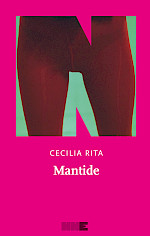
Mie je dvacet šest let a každý den se probírá hrůzami světa: pracuje jako moderátorka obsahu a musí cenzurovat ta nejbrutálnější videa, která kolují po internetu. Od chvíle, kdy její bývalý přítel Ruben zemřel po zásahu elektrickým proudem ve vaně, se točí v kruhu nihilismu a výčitek, otupělá svou prací i psychofarmaky, ožívající jen občas díky přátelství s Dennisem a Miriam. Minulost s Rubenem je archivem krutých vzpomínek, podobně krutých jako obrazy, které musí odstraňovat z internetu, ale vzpomínky ze své paměti vymazat nedokáže: jeho citové vydírání, když ji obviňoval, že ho užírá jako kudlanka, strach z toho ho opustit. Když však narazí na video Sofie, dívky, která se jí podobá a která skočí z mostu, Mia se probere a rozhodne se jít po dívčiných stopách: setká se s jejím přítelem Lapem, vycházející hudební hvězdou, i s její kamarádkou Margot, eskort pracovnicí a tanečnicí v nočním klubu, a oběma podlehne v jakési vířivé hře zrcadel. Nakonec se Mia spolu s Miriam a Margot rozhodnou dát si šanci na jinou cestu, v paktu sesterství mimo zaběhlé normy, který dokáže rozlousknout skořápku její bolesti. Kudlanka (Mantide) vypráví příběh mladé ženy, která vzdoruje ztrátě i samotě, bouří se proti po generace předávanému pocitu ženské viny a směřuje vpřed, ke světlu svého budoucího já.
Translated from
Italian
to
Czech
by Anna Kostková
Written in Italian by Cecilia Rita
8 minutes read
L’Affitto
Translated from
Portugese
to
Italian
by Elisa Rossi
Written in Portugese by Daniela Costa
8 minutes read
Коротко кажучи
Translated from
Italian
to
Ukrainian
by Olena Roman
Written in Italian by Davide Di Lorenzo
8 minutes read
Iskar: 44 (ne)navadnih predmetov od blizu in daleč
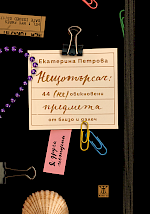
Kot namiguje podnaslov, knjiga Iskar vsebuje zgodbe o 44 predmetih od blizu in daleč. Radovedna in raznolika zbirka, urejena po tematikah, vključuje presenetljive najdbe z vsega sveta: škornje iz Butana, tlakovce z Gaudijevim vzorcem iz Barcelone, kozarce za vino iz Baskije, broško v obliki srca iz Sarajeva, espadrile iz Pirenejev, skarabeje iz starega Egipta, škatlo smeti iz New Yorka, kos oranžne tkanine s plavajočih pomolov na jezeru Iseo, slovenskega rjovečega zmaja, zemljevid vzhodnega Berlina in še mnogo več.
Ko Ekaterina Petrova pripoveduje zgodbe o teh predmetih, pravzaprav pripoveduje tudi o krajih, od koder prihajajo – Kustendorf in Katmandu, Ljubljana in Louisiana, Belvedere in Bilbao, Selçuk in Centralni park –, ter jih umešča v širši jezikovni, kulturni, zgodovinski, antropološki ali geografski kontekst. Umetelna mešanica potopisov, esejev in zgodb je skrbno raziskana in podkrepljena z zanimivimi dejstvi, vendar prežeta s subjektivnim pogledom avtorice in njeno osebno biografijo popotnice, prevajalke in iskarke.
Oblikovanje in podoba knjige, ki jo je ustvarila Ljuba Haleva, ena najvidnejših sodobnih bolgarskih ilustratork, dobro in s smislom za humor pričara duh zgodb. Tako tudi sama knjiga postane čudovit predmet, ki prinaša užitek in veselje – za branje in ponovno branje, za posedovanje in obdarovanje.
Translated from
Bulgarian
to
Slovenian
by Maja Kovač
Written in Bulgarian by Ekaterina Petrova
8 minutes read
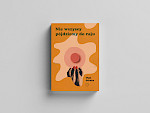
Nie wszyscy pójdziemy do raju
“Not All of Us Will Go to Paradise” is an anti-road-trip and anti-coming-of-age novel. With effortless audacity and a keen awareness of its own genre boundaries, it portrays coming out as a journey—through memory, shame, class, religion, and the body. The narrator returns to the 1990s and early 2000s: to the world of VHS tapes and 00’s music, yet this cultural veneer crumbles beneath the weight of individual experience. With remarkable acuity, Górska reconstructs the landscape of Poland's post-transformation years, when the promise of a better life shaped both public imagination and private longing. It is a meditation on language itself: on how much it makes possible, how much it withholds, how deeply it can wound, and how ecstatically it can liberate.
Górska is not writing a manifesto. She is writing about experience: sensual, painful, amusing, and shameful—and about a language that trembles, just as the body trembles.
“Not All of Us Will Go to Paradise” is a hauntological expedition into the recent past, and a brilliant narrative reminding us that stepping out of the shadows does not always mean immediate salvation.
Written in Polish by Olga Górska
6 minutes read
Non voglio essere un cane
Translated from
Dutch
to
Italian
by Olga Amagliani
Written in Dutch by Alma Mathijsen
8 minutes read
Bestie voi tutte dei campi
Translated from
Spanish
to
Italian
by Ilaria Garelli
Written in Spanish by Adriana Murad Konings
8 minutes read
Óda na hurikán
Translated from
Spanish
to
Czech
by Martina Kutková
Written in Spanish by Alejandro Morellón Mariano
3 minutes read
Il depuratore
Translated from
Czech
to
Italian
by Elena Zuccolo
Written in Czech by Anna Háblová
11 minutes read
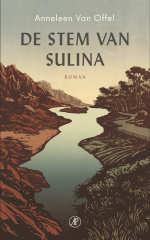
Голос Суліни
Translated from
Dutch
to
Ukrainian
by Olga Bondarenko
Written in Dutch by Anneleen Van Offel
6 minutes read
Residence
Written in Italian by Maurizio Amendola
9 minutes read
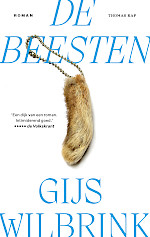
Zveri
Translated from
Dutch
to
Serbian
by Tamara Britka
Written in Dutch by Gijs Wilbrink
8 minutes read
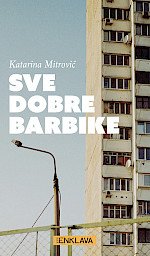
Toate păpușile barbie bune
„Toate păpușile bune” este un roman despre Vanja, o milenială care împlinește treizeci de ani și realizează că nimic din viața ei nu este așa cum își imaginase. Nu a devenit o artistă cunoscută, ci este scenaristă pentru telenovele de doi bani, nu are copii, nu este într-o relație, suferă de o anxietate excesivă, iar relațiile cu membrii familiei nu sunt tocmai cele mai bune. Când fosta ei iubită apare la ușa apartamentului cu un bebeluș, Vanja, în ciuda faptului că Svetlana i-a frânt inima, o lasă să rămână la ea o vreme. Acest lucru o determină să-și reevalueze viața. Sfâșiată între dorința de a face ceea ce iubește și nevoia de a supraviețui în Belgradul de astăzi, Vanja își dă seama că trebuie să schimbe ceva. Își dă impulsiv demisia de la telenovela pe care o scrie, iar în același timp proprietarul o dă afară din apartament pentru a-l închiria unui cuplu din Rusia, de la care poate obține o chirie mult mai mare. Svetlana pleacă, o părăsește din nou, iar Vanja rămâne singură și, deodată, se simte ca o fetiță care nu poate avea grijă de ea însăși. În timp ce își împachetează lucrurile, varsă din greșeală apă clocotită pe picior și își provoacă o arsură gravă. Iar atunci se întreabă - a fost cu adevărat un accident? Neștiind ce să facă, Vanja se întoarce să locuiască la mama ei, într-un orășel de lângă Belgrad, unde o așteaptă toate lucrurile de care fugise.
„Dacă aș ști să scriu, aș scrie ca Katarina. În spatele acestui gând glumeț care îmi trece prin minte se ascund, de fapt, admirația mea și plăcerea pentru limbajul Katarinei Mitrović, precum și pentru veridicitatea cuvintelor ei. Katarina scrie despre sine, dar scrie și despre mine, despre sora mea, despre mama mea, despre prietenii mei. În timp ce veți citi acest roman, veți avea senzația că a fost scris despre voi.” - Vladimir Tagić, regizor de film
„Rapid, captivant, spiritual, expresiv și trăit în profunzime. Toate păpușile bune sunt vii, există, cu mâinile întinse, părul încâlcit, privirea de sticlă și ne râd în față.” - Anica Dobra, actriț
Translated from
Serbian
to
Romanian
by Aleksandra Petrov
Written in Serbian by Katarina Mitrović
11 minutes read
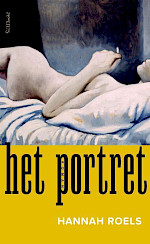
Portret
Translated from
Dutch
to
Slovenian
by Ariela Herček
Written in Dutch by Hannah Roels
6 minutes read
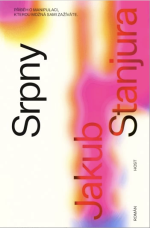
Srpny
Fin dove siamo disposti a spingerci per qualcuno che amiamo?
Daniela cresce in una famiglia dove, al posto degli abbracci, a stringerla sono le sue ansie.
Tornano con una regolarità inquietante: ogni agosto. Per lei le giornate di sole non portano
leggerezza, ma dolore. Quando all’università incontra Štěpán, crede finalmente di aver trovato una
via di fuga dalle estati che l’hanno perseguitata per tutta la vita. Non sa, però, che da certi traumi
non si può semplicemente scappare.
In questo romanzo Jakub Stanjura affronta in modo originale e incisivo il tema del gaslighting: una
forma di manipolazione psicologica che induce la vittima a dubitare della propria memoria, della
propria lucidità e, infine, della realtà stessa.
Translated from
Czech
to
Italian
by
Written in Czech by Jakub Stanjura
9 minutes read
Meine Mutter hat Blumen gezüchtet (Uslovi nisu bitni)
Ljiljana D. Ćuk’s short prose dives into the depths of human emotion, exploring a strong sense of existential despair. With a direct and uncompromising style, Ćuk reveals the struggle to make peace with a world that feels broken, where every part of reality comes with an unsettling sense of disgust. Her writing gives readers a raw and intense experience, confronting the challenge of finding meaning in a universe that seems indifferent.
"The short prose of Ljiljana D. Ćuk is not only exquisite literature, which it undoubtedly is, but also an expression of general despair, the torment of trying to come to terms with anything that exists, as everything existing is mostly seen and experienced as repulsive in itself." (Srdjan Srdić)
Written in Serbian by Ljiljana D. Ćuk
5 minutes read
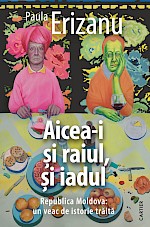
Хей, момичета (It’s Both Heaven and Hell Here. Moldova: a Century of Lived History)
Translated from
Romanian
to
Bulgarian
by Valentina Zlateva
Written in Romanian by Paula Erizanu
7 minutes read
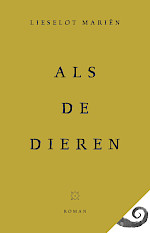
Als de dieren
In Als de dieren onderzoekt een vrouw wat haar is overkomen na de geboorte van haar eerste kind – een ervaring zo donker dat ze zich tegen taal en betekenis verzet. In het dierenrijk, in oude mythes, in foto’s, e-mails en zelfs boodschappenlijstjes uit haar kraamtijd, zoekt de vrouw naar houvast. Hoe word je, lang nadat je je kind op de wereld hebt gezet, alsnog moeder? En hoe verenig je opnieuw de brokstukken van een mens, nadat die uit elkaar is gevallen?
Written in Dutch by Lieselot Mariën
9 minutes read
Uma vida a meio
Translated from
Dutch
to
Portugese
by Lut Caenen
Written in Dutch by Aya Sabi
8 minutes read