Conversations #9: On Audience – by Lieke Vervuren, NL
On June 6th the ninth edition of Conversations took place in Brussels during the CELA work week. A panel of international literary experts discussed the role of literary audiences within the industry. What is the purpose of literary events, and what kind of audiences should they try to reach? What changes do we see in audiences for literary festivals? Are there differences within Europe? What is the role of organisers in this? And how might they innovate towards the future? The conversation was moderated by CELA director Frank Tazelaar and CELA project manager Simina Popa, who led the live panel of experts from the CELA network, including Carmien Michiels (writer and performer, BE), Yuliia Kozlovets (literary professional, UA), Marius Chivu (writer and translator, RO), Vladimir Arsenijević (writer and literary professional, RS), Roman Nesterenco (translator, BE) and Montserrat Sánchez (writer and teacher of creative writing, ES).
A recording of the event can be viewed below.
After months of preparation it was finally time to talk about audience, in every sense of the word and from many perspectives within the literary field, namely writers, translators and other literary professionals. The first panel focussed mainly on the audience as the public.
Yulia kicked the conversation off with emphasising the importance of literary festivals in times of war. The festival is something their audience needs. It becomes a place where they can share ideas, pain and strength. What is changing is that now the military has not only become part of the performing artists (as authors for example), but also as the audience. The situation in Ukraine has caused the programming to become a conversation with the audience, as they let Yulia and her team know what they need from the festival. So the whole festival really becomes a conversation with the audience.
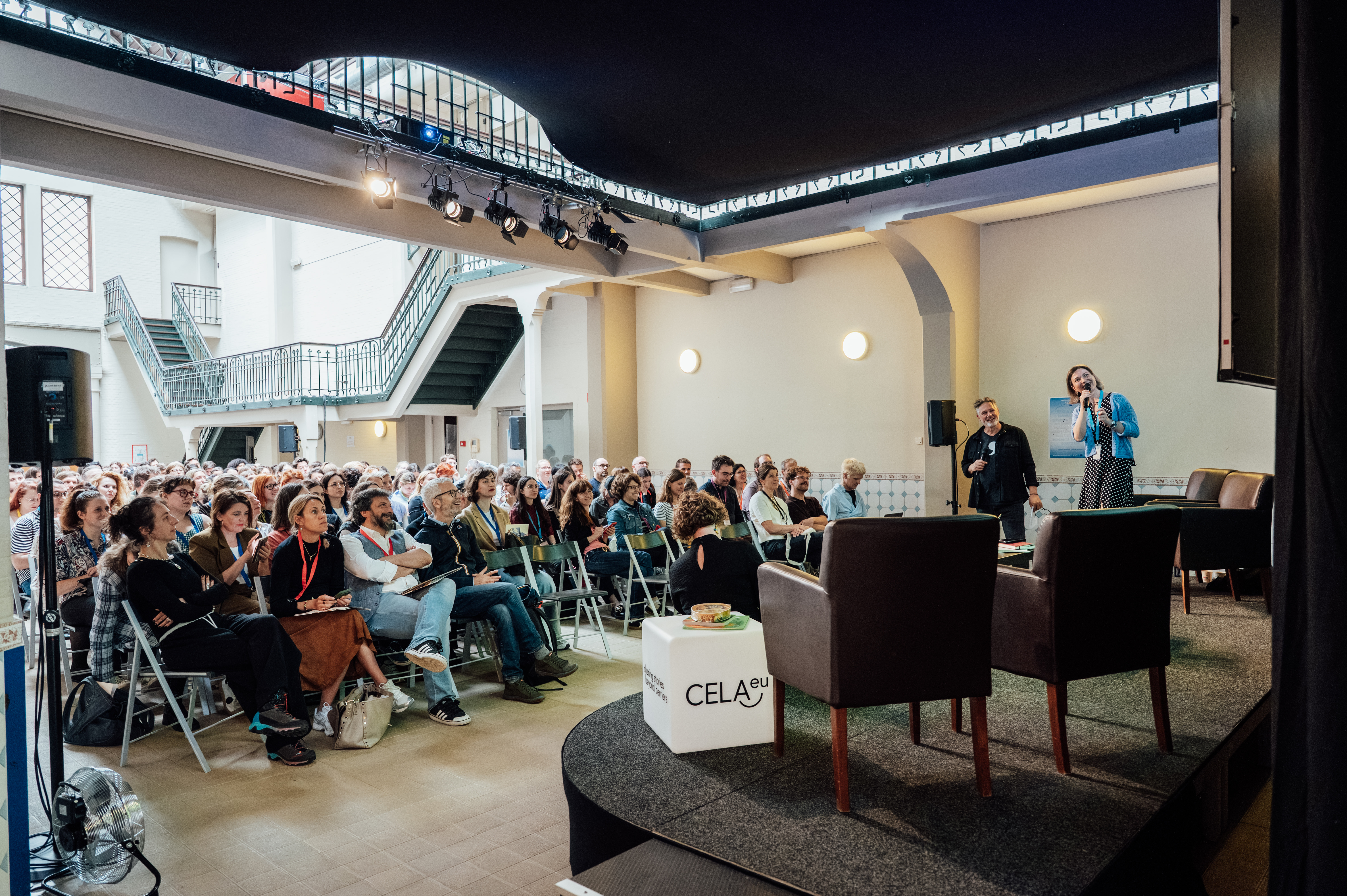
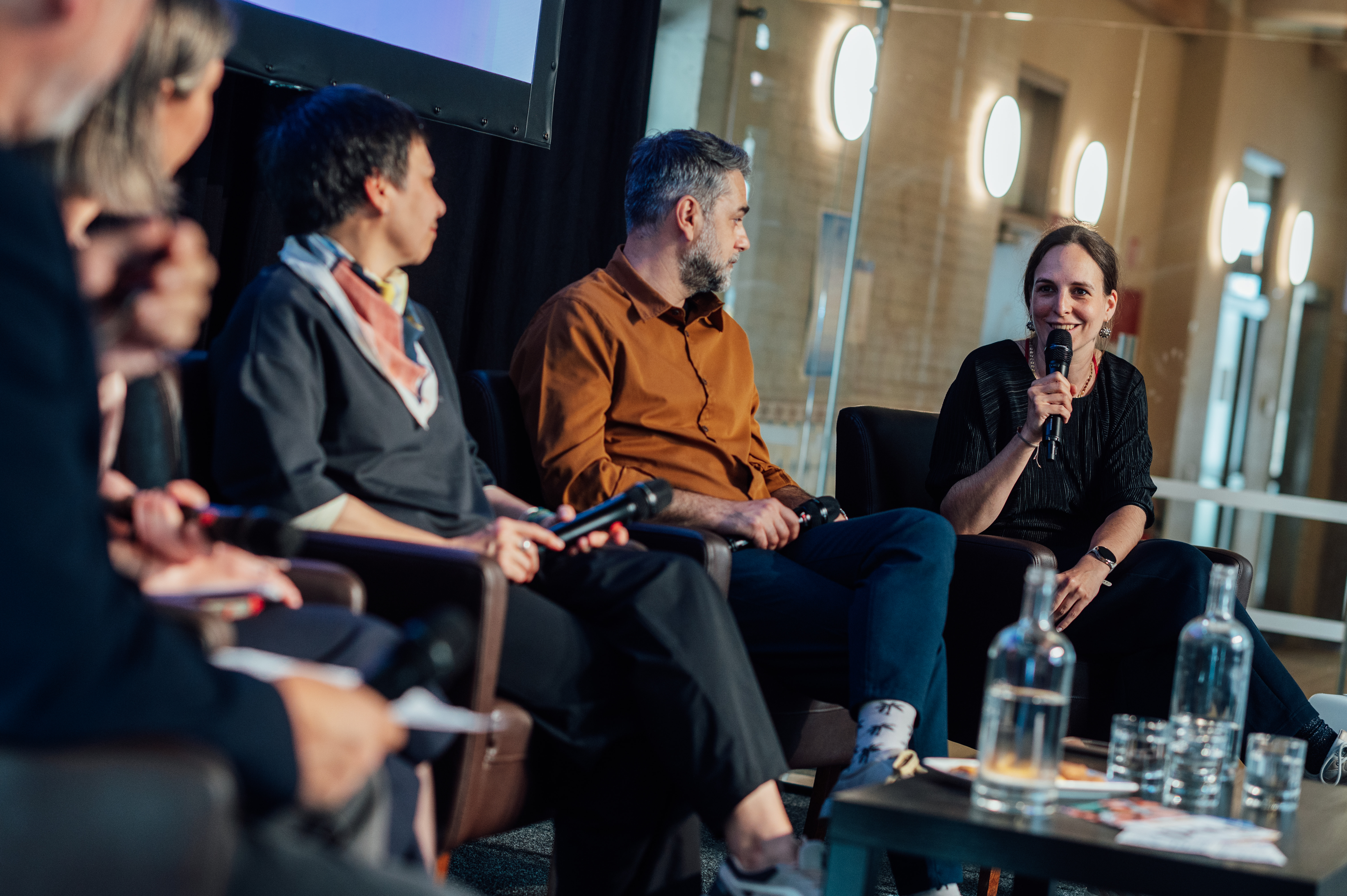
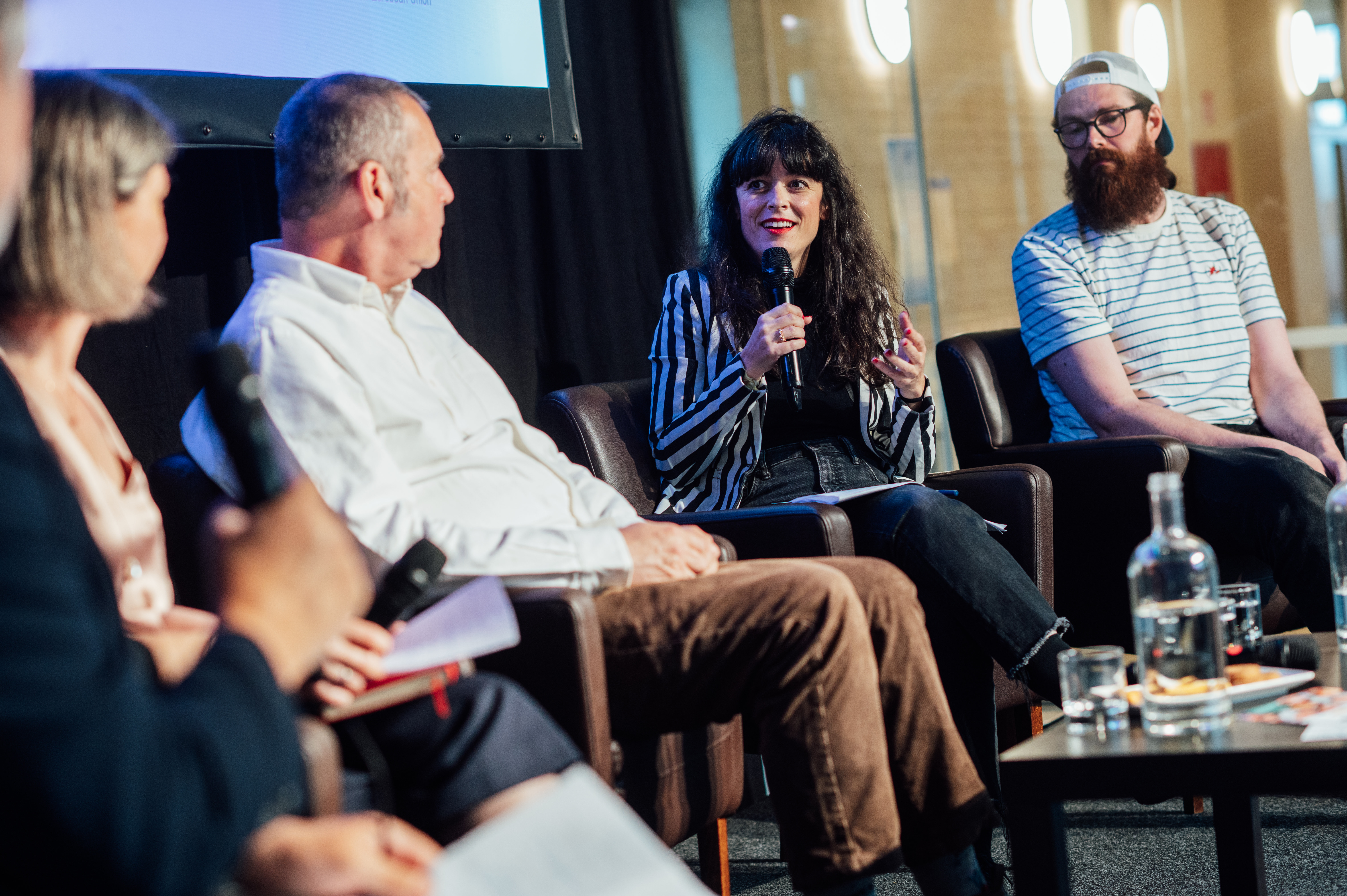
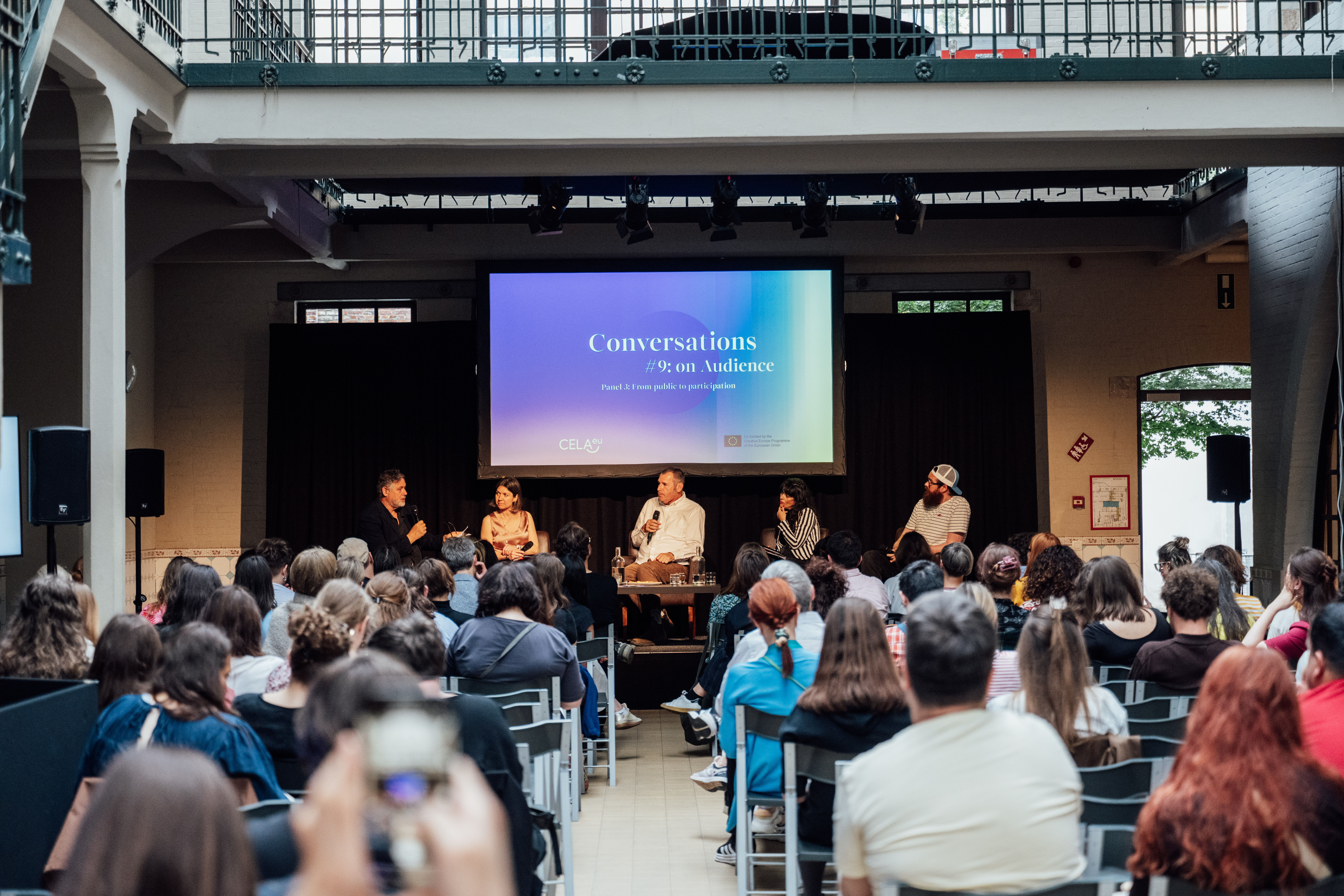
In his video contribution Iulian Bocai posed the question: How do we get back the sense that writers as a whole need to re-educate or resensitize society to the bigger issues it faces? And should literature in the first place strive to do that? And does it still have the power to do it or is that time now gone for good? Marius noted that because of algorithms and shorter attention spans of nowadays, the influence of writers has really diluted. Social media makes a lot of noise, but maybe it is no longer the role of the writer to have this influence on society. Or maybe they never had as much influence as we imagine they did. The role of the writer is changing as Yulia states, as they now take on many more roles than they used to. They often need to promote themselves on social media to gain an audience. However, she has noticed that during the Book Arsenal festival people very much look towards intellectuals and writers to guide the way in these trying times. People are willing to stand in line for hours to have their book signed. So maybe times of crisis brings us as an audience back to our roots and the essence of literature. Carmien notes that she as a writer, and many emerging writers along with her, thought that her work was going to change the world. However, this is often not the case. Many writers in the Low Countries write about climate change, feminism, gender or other activist topics. She claims that these pieces can only make a difference when they are written from the heart and not yet part of the main stream media. It is the writers job to anticipate this.
So, while the role of writers may have changed, due to social media and what is happening in the world, literature can still resonate deeply and still holds power.
Then, with a switch in the panel, we moved on to the topic of participation…
On this topic Vladimir notes that large audiences do not always mean a better interaction between a writer and their audience. Sometimes having a smaller, but much more engaged audience is preferable over having a large audience. It is noticeable how this is not only the opinion of a festival organiser, but also of Roman as a translator and Montserrat as a writer and creative writing teacher. I found that Simina summed it up really well: we should not measure the success of an event by the number of people who show up, but rather by the connection formed with the audience.
In her video contribution Yara Nakahanda Monteiro asked the question: if there was no audience, how would you write? This question divided opinions. While Vladimir does not keep the audience in mind while writing, he does when planning the KROKODIL Festival. Especially taking into account the shorter attention span of the audience nowadays. On the other hand, Montserrat notes that for her it is impossible to not keep the audience in mind while writing, as she is a reader as well and it is impossible to forget yourself as a reader when you are also a writer. Roman seemed to be conflicted, as the audience does not exist for him when he is writing or translating. However, he asked the question why an author would go through the struggle of trying to get their story published if not intending it for an audience to read.
Thus, I think it can be concluded that that meaningful engagement matters more than audience size. And while many writers may claim that they do not write with an audience in mind, they will often have the ultimate goal of publishing their work. So, the audience will always be there, somewhere at the back of the writer/translator/programmer’s mind.
Thank you, you have been a great audience!