View all filters
Clear








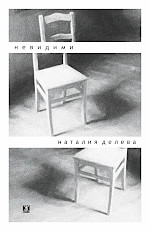
Invisibili
Un romanzo sulle persone alla periferia della società che afferra alla gola.
Georgi Gospodinov, autore di Fisica della malinconia e Cronorifugio
In pochi sono capaci di ricreare senza un grammo di pretenziosità la vita di chi è passato per gli orfanotrofi, tanto più durante la transizione; i destini che ne sono conseguiti. In effetti, più in generale, ognuno di noi è un bambino abbandonato, ma quelli di cui racconta l’autrice sono davvero invisibili sulla cartografia sociale. Natalia Deleva toglie dai loro volti tutti i cliché con i quali li abbiamo imbruttiti. Un libro difficile, importante, davvero importante.
Marin Bodakov, dalla rivista Kultura
La voce narrante di Invisibili raccoglie estratti di articoli di giornale, ascolta la propria voce (interiore), le storie delle persone che incontra lungo il suo percorso, guarda nel passato, confronta traumi e, trascinando il lettore fuori dalla propria zona di comfort, pone importanti domande sul nostro mondo, sulla vita in esilio, sulle persone che sono escluse, abbandonate, senzatetto. Un bellissimo libro, emozionante e intessuto con grande cura del dettaglio.
Wioletta Greg, autrice di Swallowing Mercury
Translated from
Bulgarian
to
Italian
by Giorgia Spadoni
Written in Bulgarian by Nataliya Deleva
12 minutes read
Невидимі
«Невидимі» –– роман про неприйняття інакшості, у якому діти вигадують своїх батьків. Молода жінка, яка виросла в Дитбудинку, намагається подолати травми дитинства. Після низки розлук вона зустрічає Дару –– покинуту дитину, в якій упізнає маленьку себе. Прив’язується до неї й вирішує, що будь-якою ціною знайде спосіб подарувати їй життя, якого вона сама ніколи не мала. Це роман про людей із периферії суспільства. Різні сюжетні лінії переплітаються, щоб розповісти одну спільну історію: про невидимість.
Translated from
Bulgarian
to
Ukrainian
by Khrystia Vengryniuk
Written in Bulgarian by Nataliya Deleva
9 minutes read

Дні як дивні симптоми
Translated from
Dutch
to
Ukrainian
by Larysa Dobra
Written in Dutch by Leonieke Baerwaldt
8 minutes read

ARRIVALS / GELIȘ (Medar)
Translated from
Dutch
to
Slovenian
by Lucija Janc Novak
Written in Dutch by Tülin Erkan
6 minutes read

Тихо!
Translated from
Dutch
to
Ukrainian
by Larysa Dobra
Written in Dutch by Marjolein Visser
8 minutes read
Cathedra sau cum se face frișca
Translated from
Dutch
to
Romanian
by Cătălina Oșlobanu
Written in Dutch by Joost Oomen
9 minutes read
PŘÍLETY / GELİŞ (Medosavka)
Translated from
Dutch
to
Czech
by Klára Němcová
Written in Dutch by Tülin Erkan
6 minutes read
Il ponte
Translated from
Portugese
to
Italian
by Francesca Leotta
Written in Portugese by João Valente
9 minutes read
ARRIVALS / GELIȘ (Honingeter)
Sibel wacht in de luchthaven van Istanboel. Elke dag opnieuw mist ze haar vlucht naar Brussel. Ze voelt zich in de beide landen niet thuis, wil grip krijgen op de herinneringen aan haar overleden vader en haar taal herontdekken. Sibel vult de dagen met het observeren van andere passagiers en de zorg voor een speurhond.
Maar zelf wordt ze ook geobserveerd. Bewakingsagent Ömer houdt haar via zijn schermen in da gaten en beslist haar te beschermen, zoals een vader. En dan is er nog Wernicke, een piloot die niet alleen zijn job verloor, maar nu ook zijn taal en gezondheid. Alle drie leven ze illegaal in de luchthaven, met hun eigen bagage en communicatieproblemen. Een sneeuwstorm verlengt hun ongemakkelijke samenzijn, maar een afscheid is onafwendbaar.
Erkan omschrijft gevoelig hoe het is om tussen twee culturen op te groeien. Honingeter maakt bevattelijk hoe onmogelijk het is de ander echt te begrijpen en om je ergens thuis te voelen als je je moedertaal niet kunt spreken. Met poëtische metaforen toont Erkan de kwetsbaarheid van haar personages.
Tülin Erkan (1988) groeide op in Oostende bij een Franstalige moeder en een Engelstalige grootmoeder. Haar zomers bracht ze door bij haar vader in Turkije. Wanneer mensen haar als half omschrijven, voelt ze zich vooral dubbel. In haar debuut Honingeter rijgt ze taal en herinnering virtuoos aan elkaar tot een gecondenseerd geheel.
Written in Dutch by Tülin Erkan
7 minutes read
Cátedra o cómo hacer nata montada
Translated from
Dutch
to
Spanish
by Irene de la Torre
Written in Dutch by Joost Oomen
8 minutes read
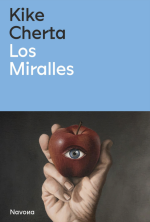
Familia Miralles
Translated from
Spanish
to
Romanian
by Ilinca Gângă
Written in Spanish by Kike Cherta
9 minutes read
Y lejanos dedos diez
Translated from
Dutch
to
Spanish
by Irene de la Torre
Written in Dutch by Joost Oomen
10 minutes read
ARRIVALS / GELIȘ (Przyloty)
Translated from
Dutch
to
Polish
by Anna Opara
Written in Dutch by Tülin Erkan
6 minutes read
ARRIVALS / GELIȘ (Mangiamiele)
Translated from
Dutch
to
Italian
by Matilde Soliani
Written in Dutch by Tülin Erkan
7 minutes read

Trilogija lutajućeg pola
Translated from
Romanian
to
Serbian
by Simona Popov
Written in Romanian by Cristina Vremes
8 minutes read
O bombă luminează noaptea din Marão
Translated from
Portugese
to
Romanian
by Iolanda Vasile
Written in Portugese by Daniela Costa
8 minutes read
ПРИСТИГАЩИ / GELIȘ (Медояди)
Translated from
Dutch
to
Bulgarian
by Elissaveta Manolova Maciel
Written in Dutch by Tülin Erkan
7 minutes read
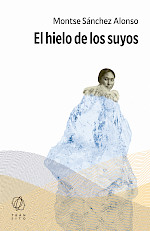
Lód jej rodu
Rok 1921, Nome, odległa osada na Alasce. Ada Blackjack, młoda Inupiatka, postanawia zostawić swojego chorego na gruźlicę syna Bennetta w sierocińcu i wrócić po niego, gdy tylko znajdzie sposób, by ich utrzymać. Wkrótce spada jej z nieba okazja na zarobek: do Nome przybija statek z Seattle, a na jego pokładzie znajduje się czterech spragnionych przygód i żądnych kolonialnej władzy odkrywców oraz kotka Vic. Mężczyźni chcą udać się na wyspę Wrangla, do ostatniego siedliska mamutów, by przyłączyć te ziemie do Imperium Brytyjskiego. Poszukują kobiety, która dołączy do ich wyprawy, by im gotować i szyć ubrania. Właśnie w ten sposób Ada, ignorując przepowiednie szamana, wyrusza na arktyczną ekspedycję. Zaledwie kilka miesięcy później wszyscy mężczyźni giną i kobieta jest zmuszona przetrwać na wyspie sama, za jedyną towarzyszkę mając kotkę Vic. By przeżyć, musi nauczyć się żyć wśród przyrody Arktyki i odzyskać tłumioną przez lata kolonializmu tożsamość Inupiatki. W trakcie tej metamorfozy zmierzy się z lodem Arktyki oraz z samą sobą, z głodem, z mitycznym władcą niedźwiedzi Nanukiem i ze śmiercią Boga. Gdy dotrze po nią ratunek, będzie musiała zastanowić się, czy wrócić do domu. Po co miałaby próbować ocalić swojego syna, jeśli kolonialny reżim nigdy nie pozwoli mu się cieszyć wolnością i równością? Czy jest dobrą matką, skoro wracając, ryzykuje trafienie do niewoli? Ada ostatecznie decyduje się popłynąć z powrotem do Nome, by Bennett poznał inupiacką czułość i lód jej rodu.
„Czasem trzeba przedrzeć się przez lód, by dotrzeć do płomienia życia: fantastyczna przygoda, zarazem osobista, jak i uniwersalna, bardzo ludzka; opowieść o dekolonizacji i sile przetrwania. Hołd dla siły kobiety i siły samej natury.” GABRIELA CABEZÓN CÁMARA
„Wybór postaci tak znaczącej dla kontekstu naszych czasów; opisy skrajnych sytuacji rozgrywających się na przecięciu płci, klasy, rasy, gatunku; temat przemocy wobec ciała i kultur, cienkiej granicy pomiędzy przygodą, odkryciami a kolonialną przemocą; badanie zależności pomiędzy wiedzą a pieniędzmi…To wszystko sprawia, że ta powieść, jednocześnie klasyczna, jak i nowatorska, jest fenomenalna.” MARTA SANZ
Translated from
Spanish
to
Polish
by Justyna Sterna
Written in Spanish by Montserrat Sánchez
7 minutes read
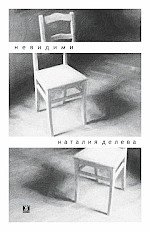
Onzichtbaar
Translated from
Bulgarian
to
Dutch
by Kieran Van Overwaele
Written in Bulgarian by Nataliya Deleva
13 minutes read
Uma bomba a iluminar a noite do Marão
Translated from
Portugese
to
Polish
by Gabriel Borowski
Written in Portugese by Daniela Costa
7 minutes read