View all filters
Clear









Дни като странни симптоми
Сизиф блуждае из ада с празна инвалидна количка и не знае какво точно търси там, освен че трябва да вземе дъщеря си, която е с множество проблеми в развитието, от дневния център. Мисия, в която тя всеки път се проваля, след което, разочарована, се връща в занемарения си апартамент на приземния етаж в странен жилищен комплекс. Когато хазяйката ѝ, сякаш от нищото, завързва разговор с нея, спомените ѝ внезапно започват да се възвръщат.
„Дни като странни симптоми” е битка с унинието, експедиция до границите на майчинството, на надеждата и отчаянието, на живота и смъртта.
Роман, който те уцелва като убиец от засада, жегва и сърцето, и ума, стреля безкомпромисно точно. — в-к „НРК”
„Дни като странни симптоми” е многопластов роман с препратки към философията и гръцката митология. Безмилостната фрагментарна форма и невинаги лекият стил, избрани от Леонике Барвалт, свидетелстват за кураж и оригиналност. Читателят, който ще се осмели да се впусне в разказа за тази на пръв поглед затворена в себе си майка, ще бъде дълбоко трогнат от този изключителен роман. — Лаудацио на журито на Литературната награда на банка БН
Translated from
Dutch
to
Bulgarian
by Elena Dimitrova
Written in Dutch by Leonieke Baerwaldt
9 minutes read
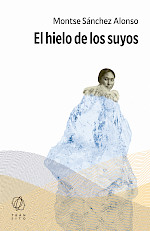
Il ghiaccio dei suoi
Villaggio di Nome, Alaska, 1921. Ada Blackjack, una giovane iñupiat, decide di affidare a un ospizio suo figlio Bennett, malato di tubercolosi, finché non troverà il modo di mantenerlo. Un’occasione le capita per caso: una nave proveniente da Seattle. A bordo ci sono quattro esploratori assetati di avventure e impregnati di fantasie coloniali, e insieme a loro la gatta Vic. Sono diretti all’isola di Wrangell – l’ultimo rifugio dei mammut – per annettere il territorio alla Confederazione Britannica. Prima di partire cercano una donna iñupiat che cucini e cucia per loro durante la traversata. È così che Ada, ignorando i presagi dello sciamano, si imbarca in una spedizione artica. Pochi mesi dopo tutti gli esploratori saranno morti e Ada dovrà sopravvivere da sola a Wrangell con l’unica compagnia di Vic. Per riuscirci dovrà assomigliare al Grande Nord e riappropriarsi della sua identità di donna iñupiat, sepolta da anni di colonialismo. Durante questa trasformazione affrontarerà le profondità del ghiaccio e di se stessa, la fame, la morte di Dio, l’orso – Nanuq –,e infine la possibilità di non tornare a Nome quando arriverà una nave in soccorso. A cosa le servirà salvare suo figlio se l’ordine coloniale non le permetterà mai di realizzarsi? Potrà essere una buona madre se tornando rischia la servitù? Il suo ritorno finale serve a far conoscere a Bennett la tenerezza e il ghiaccio della sua gente.
Translated from
Spanish
to
Italian
by Martino Gandi
Written in Spanish by Montserrat Sánchez
9 minutes read

Bodi tiho
Translated from
Dutch
to
Slovenian
by Tina Jurman
Written in Dutch by Marjolein Visser
8 minutes read
Міральєси
Translated from
Spanish
to
Ukrainian
by Oleksandra Laktionova
Written in Spanish by Kike Cherta
7 minutes read
Eu nu mai locuiesc în casă, dar casa încă mai locuiește în mine
Translated from
Dutch
to
Romanian
by Cătălina Oșlobanu
Written in Dutch by Maud Vanhauwaert
7 minutes read
Un roman despre Crimeea
Translated from
Ukrainian
to
Romanian
by Jessica Bilcec
Written in Ukrainian by Anastasia Levkova
9 minutes read
Fulgerări
Translated from
Italian
to
Romanian
by Elena Damaschin
Written in Italian by Sara Micello
7 minutes read
парченца град (schervenstad)
Translated from
Dutch
to
Bulgarian
by Elena Dimitrova
Written in Dutch by Hanan Faour
8 minutes read
Provázky
Translated from
Dutch
to
Czech
by Veronika Horáčková
Written in Dutch by Hannah Roels
7 minutes read
Een suizen
Translated from
Romanian
to
Dutch
by Charlotte van Rooden
Written in Romanian by Lavinia Braniște
10 minutes read
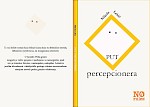
Kwiaty lotosu, które się zamykają (gdy się do nich wejdzie)
Translated from
Serbian
to
Polish
by Patrycja Chajęcka
Written in Serbian by Nikola Lekić
6 minutes read
L’Affitto
Translated from
Portugese
to
Italian
by Elisa Rossi
Written in Portugese by Daniela Costa
8 minutes read
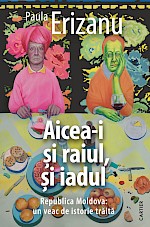
Uy, nenas (It’s Both Heaven and Hell Here. Moldova: a Century of Lived History)
Translated from
Romanian
to
Spanish
by Borja Mozo
Written in Romanian by Paula Erizanu
9 minutes read
Note sulla vita di Frances Donnell
Translated from
Spanish
to
Italian
by Ilaria Garelli
Written in Spanish by Adriana Murad Konings
6 minutes read
Siempre hemos vivido en este pueblo
Written in Spanish by Aixa De la Cruz Regúlez
5 minutes read
Em casa
Translated from
Dutch
to
Portugese
by Lut Caenen
Written in Dutch by Lisa Weeda
7 minutes read
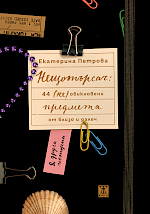
Dingenzoeker: 44 (on)gewone objecten van dichtbij en veraf
Verhalen over verrassende vondsten uit de hele wereld: laarzen uit Bhutan, stoeptegels uit Barcelona naar ontwerp van Gaudí, wijnglazen uit Baskenland, een broche uit Sarajevo, espadrilles uit de Pyreneeën, scarabeeën uit het oude Egypte, een doos met afval uit New York, een kaart van Oost-Berlijn, en nog veel meer. Ekaterina Petrova vertelt over de plaatsen waar ze vandaan komen en geeft ze een bredere culturele, historische en antropologische context. Haar persoonlijke ervaringen als reiziger, vertaler en non-fictieschrijver klinken er steevast in door. De vormgeving, door een van Bulgarijes opmerkelijkste hedendaagse illustratoren, geeft op prachtige en humoristische wijze de sfeer van de teksten weer. Een boek om te lezen en te herlezen, om te hebben en om weg te geven.
Translated from
Bulgarian
to
Dutch
by Justin Van Heddegem
Written in Bulgarian by Ekaterina Petrova
9 minutes read
Přibližně v ten samý okamžik mě pohltilo město
Translated from
Ukrainian
to
Czech
by Adéla Mikešová
Written in Ukrainian by Anastasia Levkova
8 minutes read
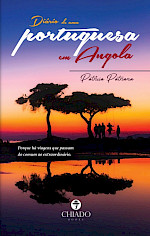
Dnevnik Portugalke v Angoli
Translated from
Portugese
to
Slovenian
by Maruša Fakin
Written in Portugese by Patrícia Patriarca
7 minutes read
O nosso pai
Translated from
Dutch
to
Portugese
by Pedro Viegas
Written in Dutch by Lotte Lentes
8 minutes read