View all filters
Clear








ARRIVALS / GELIȘ (Medojed)
Translated from
Dutch
to
Serbian
by Tamara Britka
Written in Dutch by Tülin Erkan
7 minutes read
Nevíš o mně
Translated from
Italian
to
Czech
by Anna Kostková
Written in Italian by Raffaele Cataldo
3 minutes read
Tri!
Translated from
Czech
to
Serbian
by Jelena Đorđević
Written in Czech by Anna Luňáková
7 minutes read
Всички добри барбита
"Всички добри барбита" е роман за Ваня, милениалка, която навършва тридесет и осъзнава, че нищо в живота й не е такова, каквото си е представяла. Не е станала известна писателка, а сценаристка на евтини сапунки, няма деца, няма любовна връзка, страда от силна тревожност, а отношенията й със семейството съвсем не са добри. Когато на вратата й се появява бившата й приятелка с бебе, Ваня, въпреки че Светлана е разбила сърцето й, я оставя да остане при нея за известно време. Това я кара да преосмисли живота си. Разкъсвана между желанието да се занимава с това, което обича, и нуждата просто да оцелее в Белград в днешно време, Ваня разбира, че трябва да промени нещо. Импулсивно напуска работата си в сапунката, която пише, а в същото време хазяинът й я гони от апартамента, за да настани семейна двойка от Русия, от която може да получи много по-висок наем. Светлана си тръгва, отново я изоставя, а Ваня остава сама и внезапно се чувства отново като малко момиче, неспособно да се грижи за себе си. Докато си събира багажа, случайно разлива вряла вода върху крака си и получава тежко изгаряне. А после се пита — дали наистина е било случайно? Без да знае какво да прави, Ваня се връща да живее при майка си в малък град близо до Белград, където я очаква всичко, от което е бягала.
„Ако умеех да пиша, щях да пиша като Катарина. Зад тази шеговита мисъл, която ми минава през ума, всъщност се крият възхищението ми и удоволствието от езика на Катарина Митрович и от истинността на думите ѝ. Катарина пише за себе си, но пише и за мен, за сестра ми, за майка ми, за приятелите ми. Докато четете този роман, ще имате чувството, че някой го е писал за вас.“ Владимир Тагич
„Бързо, вълнуващо, остроумно, образно и дълбоко преживяно. Всички добри барбита са живи, съществуват с протегнати ръце, рошави коси, стъклен поглед и ни се смеят в лицето.“ Аница Добра
Translated from
Serbian
to
Bulgarian
by Tsvetomira Mladenova
Written in Serbian by Katarina Mitrović
10 minutes read
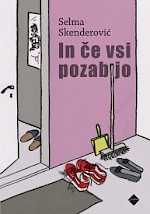
I ako svi zaborave
I ako svi zaborave, priča o identitetu, otuđenosti i nerazumevanju, prvi je roman koji potpisuje Selma Skenderović, pobednica Festivala mlade literature Urška 2020.
I ako svi zaborave je roman o odrastanju i potrazi za identitetom koji se nadovezuje na pitanja koja je autorka postavila u svojoj debitantskoj knjizi kratke proze Zašto ćutiš, Hava? Narativ u prvom licu i intimna priča studentkinje je priča o klasnoj sramoti, posledicama porodičnog nasilja, otuđenosti i problemima identiteta. Kako živeti kada si stranac i „ovde” i „kod kuće”?
Zina je ćerka imigranata sa Kosova koja odlučuje da studira. Kada se iz malog slovenačkog grada preseli u Ljubljanu, u studentski dom, ona traži svoj put između svetova koji je definišu.
Za nju postoje dva sveta, ovaj ovde, u Sloveniji, i onaj na Kosovu, kao što su dva sveta i ona i njeni roditelji, kao ona i njeni (odnekud imigranti) i Slovenci, i dva sveta u njoj samoj. Podeliti, ograditi, identifikovati, zbližiti se, spojiti ili isključiti? Ali s kim, pred kim ili od koga, kada smo na kraju svi samo ljudi. Zina je oštar posmatrač svoje okoline, roditelja i sebe. Razmišlja o tome ko je zapravo. Želi svoj prostor, svet u kome će biti više zagrljaja, bez nasilja. Što manje patrijarhalnih obrazaca unese u svoj sve samostalniji život, biće joj bolje. Toga je veoma svesna. I toga da svoj put u životu sam zacrtaš. Barem od trenutka kada se odupreš manipulacijama i udarcima koji su se smatrali, a ponegde se i dalje smatraju, prikladnim vaspitanjem. Sa jasnim razmišljanjem i razumevanjem događaja u svom životu i životima rođaka sa Kosova, Zina objašnjava razlike između ljudi koji su udaljeni „samo” 700 kilometara, ili čak samo nekoliko centimetara unutar sopstvene porodice.
Translated from
Slovenian
to
Serbian
by Jelena Ivanišević
Written in Slovenian by Selma Skenderović
8 minutes read
Wszystkie zwierzęta polne
Translated from
Spanish
to
Polish
by Katarzyna Górska
Written in Spanish by Adriana Murad Konings
7 minutes read
Płastuga
Translated from
Dutch
to
Polish
by Olga Niziołek
Written in Dutch by Nikki Dekker
7 minutes read
Hlas Suliny
Translated from
Dutch
to
Czech
by Klára Němcová
Written in Dutch by Anneleen Van Offel
6 minutes read
Półżycie
Translated from
Dutch
to
Polish
by Ewa Dynarowicz
Written in Dutch by Aya Sabi
6 minutes read
Ptice ne preletavajo primestnih naselij
Translated from
Serbian
to
Slovenian
by Natalija Milovanović
Written in Serbian by Ana Marija Grbic
8 minutes read
Glosariusz osadzonego
Translated from
Italian
to
Polish
by Mateusz Kłodecki
Written in Italian by Sara Micello
6 minutes read
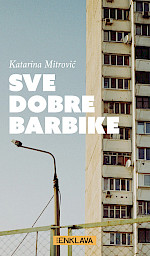
Toate păpușile barbie bune
„Toate păpușile bune” este un roman despre Vanja, o milenială care împlinește treizeci de ani și realizează că nimic din viața ei nu este așa cum își imaginase. Nu a devenit o artistă cunoscută, ci este scenaristă pentru telenovele de doi bani, nu are copii, nu este într-o relație, suferă de o anxietate excesivă, iar relațiile cu membrii familiei nu sunt tocmai cele mai bune. Când fosta ei iubită apare la ușa apartamentului cu un bebeluș, Vanja, în ciuda faptului că Svetlana i-a frânt inima, o lasă să rămână la ea o vreme. Acest lucru o determină să-și reevalueze viața. Sfâșiată între dorința de a face ceea ce iubește și nevoia de a supraviețui în Belgradul de astăzi, Vanja își dă seama că trebuie să schimbe ceva. Își dă impulsiv demisia de la telenovela pe care o scrie, iar în același timp proprietarul o dă afară din apartament pentru a-l închiria unui cuplu din Rusia, de la care poate obține o chirie mult mai mare. Svetlana pleacă, o părăsește din nou, iar Vanja rămâne singură și, deodată, se simte ca o fetiță care nu poate avea grijă de ea însăși. În timp ce își împachetează lucrurile, varsă din greșeală apă clocotită pe picior și își provoacă o arsură gravă. Iar atunci se întreabă - a fost cu adevărat un accident? Neștiind ce să facă, Vanja se întoarce să locuiască la mama ei, într-un orășel de lângă Belgrad, unde o așteaptă toate lucrurile de care fugise.
„Dacă aș ști să scriu, aș scrie ca Katarina. În spatele acestui gând glumeț care îmi trece prin minte se ascund, de fapt, admirația mea și plăcerea pentru limbajul Katarinei Mitrović, precum și pentru veridicitatea cuvintelor ei. Katarina scrie despre sine, dar scrie și despre mine, despre sora mea, despre mama mea, despre prietenii mei. În timp ce veți citi acest roman, veți avea senzația că a fost scris despre voi.” - Vladimir Tagić, regizor de film
„Rapid, captivant, spiritual, expresiv și trăit în profunzime. Toate păpușile bune sunt vii, există, cu mâinile întinse, părul încâlcit, privirea de sticlă și ne râd în față.” - Anica Dobra, actriț
Translated from
Serbian
to
Romanian
by Aleksandra Petrov
Written in Serbian by Katarina Mitrović
11 minutes read

Dani kao čudni simptomi
Translated from
Dutch
to
Serbian
by Tamara Britka
Written in Dutch by Leonieke Baerwaldt
8 minutes read
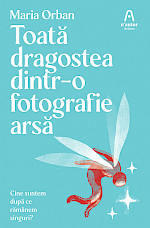
Alle liefde op een verbrande foto
Translated from
Romanian
to
Dutch
by Charlotte van Rooden
Written in Romanian by Maria Orban
11 minutes read
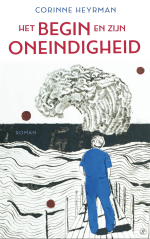
Początek i jego nieskończoność
Translated from
Dutch
to
Polish
by Anna Opara
Written in Dutch by Corinne Heyrman
8 minutes read
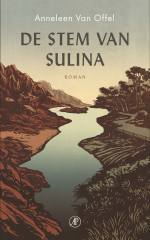
De stem van Sulina
Een lyrische roman over de geboorte van een moeder, zwervende zielen en de ziel van het zwerven, geschreven met de stuwende kracht van een wereldrivier.
Terwijl een donkere schaduw over de weerkaarten van Midden-Europa glijdt, reist een vrouw in een busje langs de oevers van de Donau, van de bron in het Zwarte Woud tot de monding in de Zwarte Zee. Welke stemmen stijgen op uit de rivier?
Archeologische opgravingen en eeuwenoude verhalen, confronterende vragen en dromen, lichamelijke transformaties en vergeten vrouwen geven richting aan de mentale reis van een jonge schrijfster die moeder wordt.
Written in Dutch by Anneleen Van Offel
7 minutes read
Ik was het nooit, Maar ben het nu wel. Gevoelig voor elke Weersverandering.
Translated from
Serbian
to
Dutch
by Pavle Trkulja
Written in Serbian by Marija Pavlović
11 minutes read
O meni ne veš
Translated from
Italian
to
Slovenian
by Zarja Lampret Prešeren
Written in Italian by Raffaele Cataldo
4 minutes read
Aby nikdo nezapomněl…
Aby nikdo nezapomněl…, příběh o identitě, odcizenosti a neporozumění, je prvním románem Selmy Skenderović, vítězky Festivalu mladé literatury Urška 2020.
Translated from
Slovenian
to
Czech
by Petra Janků
Written in Slovenian by Selma Skenderović
7 minutes read
Sincer să fiu, draga mea, mă doare-n cot
Translated from
Czech
to
Romanian
by Mircea Dan Duță
Written in Czech by Lucie Faulerová
9 minutes read