View all filters
Clear








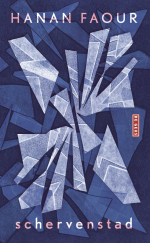
парченца град (schervenstad)
Translated from
Dutch
to
Bulgarian
by Elena Dimitrova
Written in Dutch by Hanan Faour
8 minutes read
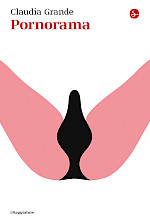
Pornorama
Ta zgodba je pajčevina iz pretrganih niti: če nam uspe zgrabiti eno, ostale spolzijo proč. To je zgodba o pretresljivem zaporedju smrti v svetu pornografije med Rimom, Milanom in Torinom, pa tudi zgodba o preiskavi, ki jo vodi glavna inšpektorica Vittoria De Feo. To je zgodba o tem, kako sta dvajsetletnika, Bet in Teo, prišla na isto sled, ko sta iskala nekaj udarnega, s čimer bi lahko začela svoj blog, in zgodba o tem, kako je novinar rumenega tiska poskušal napisati najbolj ekskluzivno novico v svojem življenju. Okrog njihovega zapletenega poizvedovanja se giblje nadrealističen zbor grotesknih likov: kirurgov, ki bogatijo s prodajo spolnih igračk, izdelanih v skladu z anatomijo mrtvih pornozvezd, luciferskih odvetnikov, ki pripravnike držijo na povodcu, forenzikov, ki poskušajo uspeti kot youtuberji, igralcev, ki so nekoč nastopali v otroških oddajah, zdaj pa so padli v nemilost, psihiatrov, ki se med srečanji oblačijo v avokade, klepetavih vplivnic, ki pretiravajo s kokainom, priliznjenih menedžerjev igralk v trdih pornografskih filmih. Vse to spremljajo in začinijo sintetične droge in dogovori o podrejanju, odsekane roke in limonove pite, udomačeni zajci in televizijski šund, Ikeina skladišča in pornografski studii. Za najbolj neomadeževano preiskavo se razpletajo konjugacije pornografije obstoja, za katero zdaj ne obstaja nič obscenega več.
Translated from
Italian
to
Slovenian
by Zarja Lampret Prešeren
Written in Italian by Claudia Grande
9 minutes read
Apartotel
Translated from
Italian
to
Spanish
by Paula Caballero
Written in Italian by Maurizio Amendola
10 minutes read
Provázky
Translated from
Dutch
to
Czech
by Veronika Horáčková
Written in Dutch by Hannah Roels
7 minutes read
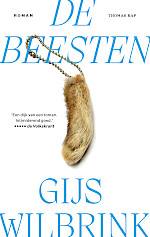
Zwierzyna
Translated from
Dutch
to
Polish
by Marta Talacha
Written in Dutch by Gijs Wilbrink
7 minutes read
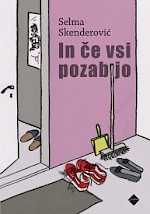
In če vsi pozabijo
In če vsi pozabijo, zgodba o identiteti, tujstvu in nerazumevanju, je prvi roman, pod katerega se podpisuje Selma Skenderović, zmagovalka Festivala mlade literature Urška 2020.
Written in Slovenian by Selma Skenderović
7 minutes read
Synopsis
Translated from
Italian
to
Dutch
by Sandra Verhulst
Written in Italian by Arianna Giorgia Bonazzi
5 minutes read
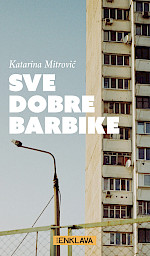
Sve dobre barbike
“Sve dobre barbike” je roman o Vanji, milenijalki koja puni trideset godina i shvata da u njenom životu ništa nije kako je mislila da će biti. Nije postala poznata umetnica, već je scenaristkinja jeftinih sapunica, nema decu, nije u ljubavnoj vezi, anksiozna je preko svake mere i odnosi sa članovima porodice joj nisu baš najbolji. Kada joj se na vratima stana pojavi bivša devojka sa bebom, Vanja je uprkos činjenici da joj je Svetlana slomila srce, pušta da ostane kod nje neko vreme. To je navede da preispita svoj život. Rastrzana između želje da radi ono što voli i uspe da preživi u Beogradu danas, Vanja shvata da mora nešto da promeni. Ishitreno daje otkaz na sapunici koju piše, a istovremeno je gazda izbacuje iz stana da bi uselio bračni par iz Rusije od koga može da dobije mnogo veću kiriju. Svetlana odlazi, iznova je napušta, a Vanja ostaje sama i odjednom se oseća kao da je iznova devojčica koja ne može da se brine o sebi. Dok pakuje stvari, slučajno prospe ključalu vodu po svojoj nozi i napravi ozbiljnu opekotinu. A onda se zapita - da li je zaista bilo slučajno? Ne znajući šta da radi, Vanja se vraća da živi kod majke, u mali grad nadomak Beograda, a tamo je čeka sve ono od čega je pobegla.
Written in Serbian by Katarina Mitrović
10 minutes read
MONDOBOIA
Translated from
Serbian
to
Italian
by Sara Latorre
Written in Serbian by Ana Marija Grbic
10 minutes read
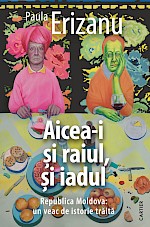
Uy, nenas (It’s Both Heaven and Hell Here. Moldova: a Century of Lived History)
Translated from
Romanian
to
Spanish
by Borja Mozo
Written in Romanian by Paula Erizanu
9 minutes read
Všechna polní i lesní zvěř
Translated from
Spanish
to
Czech
by Martina Kutková
Written in Spanish by Adriana Murad Konings
6 minutes read
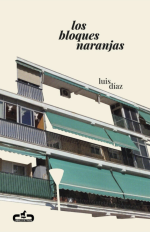
Blocurile portocalii
Translated from
Spanish
to
Romanian
by Ilinca Gângă
Written in Spanish by Luis Díaz
8 minutes read
Note sulla vita di Frances Donnell
Translated from
Spanish
to
Italian
by Ilaria Garelli
Written in Spanish by Adriana Murad Konings
6 minutes read
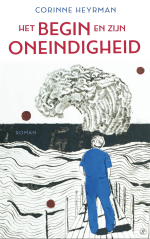
Začetek in njegova neskončnost
Translated from
Dutch
to
Slovenian
by Tina Jurman
Written in Dutch by Corinne Heyrman
8 minutes read

Călugărița
Mia are douăzeci și șapte de ani și vede în fiecare zi ce e mai rău în lume: lucrează ca moderatoare de conținut și trebuie să cenzureze cele mai violente videoclipuri care circulă online. De când fostul ei iubit, Ruben, a murit electrocutat în cadă, trăiește prinsă într-un cerc vicios de nihilism și remușcare, amorțită de jobul pe care îl are și de medicația psihiatrică, însuflețindu-se doar pe alocuri datorită prieteniei cu Dennis și Miriam.
Trecutul cu Ruben este o arhivă de amintiri cumplite, asemănătoare imaginilor pe care trebuie să le elimine de pe internet, dar pe care nu le poate șterge din propria memorie: șantajele lui emoționale, prin care o acuza că îl consumă ca o călugăriță, insecta carnivoră care își devorează partenerul și teama de a-l părăsi. Dar când dă peste videoclipul Sofiei, o fată care îi seamănă și care se aruncă de pe un pod, Mia se trezește și pornește pe urmele ei: îl întâlnește pe iubitul acesteia, Lapo, un muzician în plină ascensiune, și pe prietena ei Margot, escortă și dansatoare într-un club de noapte, lăsându-se sedusă de amândoi, într-un joc de oglinzi amețitor. Până când Mia, împreună cu Miriam și Margot, decide să-și ofere o alternativă, într-un pact de fraternitate neconvențional, capabil să-i spargă, în cele din urmă, carapacea durerii.
În fragilitate există o formă de disperare și de resemnare pe care nu vom reuși niciodată să o controlăm pe deplin. Și asta ne-ar putea distruge, fiindcă fragilitatea nu înseamnă neapărat slăbiciune.
Cu Ruben a fost dragoste la prima vedere. Știu că nu e iubire, ci fascinație, carnea care se caută și se dorește, trupuri care se recunosc reciproc, așa cum rechinul simte sângele. Și acum, dacă m-ar întreba cineva care a fost cea mai frumoasă zi din viața mea, aș răspunde fără să clipesc: ziua în care l-am întâlnit. Și totuși știu că nu e adevărat, că au existat și alte zile. Că, dacă ceea ce trăiam noi era iubire, atunci iubirea nu există.
Translated from
Italian
to
Romanian
by George Doru Ivan
Written in Italian by Cecilia Rita
10 minutes read
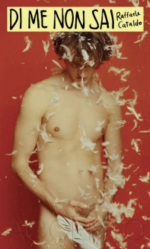
Ce nu știi despre mine
Translated from
Italian
to
Romanian
by George Doru Ivan
Written in Italian by Raffaele Cataldo
4 minutes read
Bestie voi tutte dei campi
Translated from
Spanish
to
Italian
by Ilaria Garelli
Written in Spanish by Adriana Murad Konings
8 minutes read
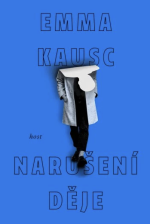
Prekinitev pripovedi
Literatura in življenje imata skupni imenovalec: pripoved.
Pišejo se sedemdeseta leta in William »Mole Man« Lyttle v tunelu pod svojo hišo izreže stavek, ki nepovratno spremeni, kako se obrača/vrti sveta. »Naša življenja nam kot pripovedi ne pripadajo več.« Protagonistka avtofikcijskega romana je triintridesetletna Emma, ki se trudi razumeti svoje češke korenine, se soočiti z mamino smrtjo in najti odgovore na vprašanja o izginotju svoje partnerke. Zgodovina okoli nje ne teče, temveč se kopiči in raztrešča. Med razbitinami se katastrofalno dviga vodna gladina in pritiskajo požari. Emma gazi skoznje, da bi se malenkost oddaljila od ljubezni, v kateri se zmaguje in izgublja. V njenem pripovedovanju na konec prispemo skupaj ali vsak po svoje, pripoved pa ostaja. Prav tako vprašanje, ali lahko pripovedovanje človeku pomaga soočiti se s tragičnimi dogodki.
Težišče romana se skriva v preizkušanju možnosti jezika in pripovedi kot orodij, s katerimi se soočimo z bolečimi dogodki. Besedilo je polno slikovitih podob, vanj se vpisujejo tako sposobnosti uveljavljene pesnice kot tudi nadarjene prozaistke. — uredništvo založbe Host
Roman ima svoj red, tempo in močno sporočilo. Daje nam upanje, da nas lahko tudi najmanjše zgodbe rešijo pred katastrofami. — A2
Translated from
Czech
to
Slovenian
by Aleš Belšak
Written in Czech by Emma Kausc
9 minutes read
El infierno
Translated from
Dutch
to
Spanish
by Carmen Clavero Fernández
Written in Dutch by Aya Sabi
8 minutes read
Calcário
Translated from
Dutch
to
Portugese
by Lut Caenen
Written in Dutch by Lisa Weeda
8 minutes read