View all filters
Clear








Dečak s ribljom glavom
Translated from
Czech
to
Serbian
by Jelena Đorđević
Written in Czech by Eliška Beranová
8 minutes read
Lód jej rodu
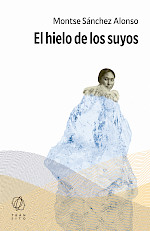
Rok 1921, Nome, odległa osada na Alasce. Ada Blackjack, młoda Inupiatka, postanawia zostawić swojego chorego na gruźlicę syna Bennetta w sierocińcu i wrócić po niego, gdy tylko znajdzie sposób, by ich utrzymać. Wkrótce spada jej z nieba okazja na zarobek: do Nome przybija statek z Seattle, a na jego pokładzie znajduje się czterech spragnionych przygód i żądnych kolonialnej władzy odkrywców oraz kotka Vic. Mężczyźni chcą udać się na wyspę Wrangla, do ostatniego siedliska mamutów, by przyłączyć te ziemie do Imperium Brytyjskiego. Poszukują kobiety, która dołączy do ich wyprawy, by im gotować i szyć ubrania. Właśnie w ten sposób Ada, ignorując przepowiednie szamana, wyrusza na arktyczną ekspedycję. Zaledwie kilka miesięcy później wszyscy mężczyźni giną i kobieta jest zmuszona przetrwać na wyspie sama, za jedyną towarzyszkę mając kotkę Vic. By przeżyć, musi nauczyć się żyć wśród przyrody Arktyki i odzyskać tłumioną przez lata kolonializmu tożsamość Inupiatki. W trakcie tej metamorfozy zmierzy się z lodem Arktyki oraz z samą sobą, z głodem, z mitycznym władcą niedźwiedzi Nanukiem i ze śmiercią Boga. Gdy dotrze po nią ratunek, będzie musiała zastanowić się, czy wrócić do domu. Po co miałaby próbować ocalić swojego syna, jeśli kolonialny reżim nigdy nie pozwoli mu się cieszyć wolnością i równością? Czy jest dobrą matką, skoro wracając, ryzykuje trafienie do niewoli? Ada ostatecznie decyduje się popłynąć z powrotem do Nome, by Bennett poznał inupiacką czułość i lód jej rodu.
„Czasem trzeba przedrzeć się przez lód, by dotrzeć do płomienia życia: fantastyczna przygoda, zarazem osobista, jak i uniwersalna, bardzo ludzka; opowieść o dekolonizacji i sile przetrwania. Hołd dla siły kobiety i siły samej natury.” GABRIELA CABEZÓN CÁMARA
„Wybór postaci tak znaczącej dla kontekstu naszych czasów; opisy skrajnych sytuacji rozgrywających się na przecięciu płci, klasy, rasy, gatunku; temat przemocy wobec ciała i kultur, cienkiej granicy pomiędzy przygodą, odkryciami a kolonialną przemocą; badanie zależności pomiędzy wiedzą a pieniędzmi…To wszystko sprawia, że ta powieść, jednocześnie klasyczna, jak i nowatorska, jest fenomenalna.” MARTA SANZ
Translated from
Spanish
to
Polish
by Justyna Sterna
Written in Spanish by Montserrat Sánchez
7 minutes read
Samochód ze starożytnej Grecji
Translated from
Czech
to
Polish
by Agata Wróbel
Written in Czech by Ondrej Macl
9 minutes read
Zwaar water
Translated from
Slovenian
to
Dutch
by Marieke Haenebalcke
Written in Slovenian by Pia Prezelj
10 minutes read
Kot živali
Translated from
Dutch
to
Slovenian
by Lucija Janc Novak
Written in Dutch by Lieselot Mariën
8 minutes read

Живи плетове
Translated from
Polish
to
Bulgarian
by Evgenia Geneva
Written in Polish by Maria Karpińska
10 minutes read
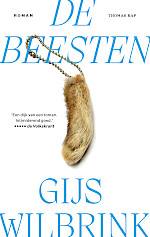
De beesten
‘Ik wil niet veel zeggen, maar volgens mij ging het al mis met Tom Keller toen die twee ooms hem ’s nachts meenamen naar het bos en hem dingen lieten doen die een jongen van negen nog lang niet zou moeten doen.’
Zo begint De beesten, het romandebuut van Gijs Wilbrink. Het speelt zich af in de Achterhoek, te midden van motoren, stropers, nertsenfokkerijen en handeltjes die het daglicht niet kunnen verdragen. In dit mystieke grensland vol geheimen groeit Tom Keller op, jongste telg van de beruchtste familie van de streek, en gezegend met een van God gegeven talent voor de motocross. Als hij jaren later plotseling verdwijnt, komt zijn opstandige dochter terug naar haar geboortegrond om hem te zoeken, met een dramatische familiereünie tot gevolg.
Written in Dutch by Gijs Wilbrink
9 minutes read
Elogiul uraganului
Translated from
Spanish
to
Romanian
by Silvia Alexandra Ștefan
Written in Spanish by Alejandro Morellón Mariano
4 minutes read

Ach, meiden (It’s Both Heaven and Hell Here. Moldova: a Century of Lived History)
Translated from
Romanian
to
Dutch
by Charlotte van Rooden
Written in Romanian by Paula Erizanu
8 minutes read
Led jejího lidu
Nacházíme se v odlehlé vesnici Nome na Aljašce, píše se rok 1921. Ada Blackjack, dívka z kmene Inupiat, se rozhodne odložit svého syna Bennetta, nakaženého tuberkulózou, do sirotčince, než přijde na způsob, jak ho uživit. Brzy si ji příležitost najde sama, a sice v podobě lodi připlouvající ze Seattlu. Plaví se na ní čtyři průzkumníci toužící po dobrodružství, plní koloniálních fantazií, a také kočka Vic. Míří na Wrangelův ostrov – poslední útočiště mamutů –, aby toto území připojili k britské konfederaci; hledají Inupiatku, která by jim během plavby vařila a šila. A tak se Ada bez ohledu na šamanova varování přidá k arktické expedici. Po několika měsících budou všichni objevitelé po smrti a Ada bude muset na Wrangelově ostrově přežít sama s Vic. Musí se proto přizpůsobit polární oblasti a znovuobjevit svou identitu inupiatské ženy, potlačenou léty kolonialismu. Při této proměně bude čelit hlubinám ledové země i svého nitra, hladu, smrti Boha, medvědu Nanukovi a možnosti, že až připluje záchranná loď, ona se do Nome nevrátí. K čemu bude záchrana syna, když ho koloniální řád nikdy nenechá najít vlastní potenciál? Bude moci být dobrou matkou, když po návratu riskuje nevolnictví? Nakonec se vrátí, aby Bennett poznal něhu a led jejího lidu.
Translated from
Spanish
to
Czech
by Markéta Cubrová
Written in Spanish by Montserrat Sánchez
7 minutes read
Ortensio
Written in Italian by Maurizio Amendola
3 minutes read
Зверовете
„Не искам да правя внушения, но скромното ми мнение е, че нещата с Том Келер се объркаха, още когато двамата му чичовци го заведоха посред нощ в гората и го накараха да върши неща, с които едно деветгодишно момче не би следвало да се занимава на такава крехка възраст.“
Така започва „Зверовете“, дебютният роман на Хейс Вилбринк. Действието се развива в Ахтерхук, сред рев на мотоциклети, безжалостни бракониери, ферми за норки и съмнителни сделки, които не могат да понесат дневната светлина. В този тайнствен граничен район израства Том Келер, най-младият потомък на най-известното семейство в околността и благословен с талант в мотоциклетния спорт. Когато години по-късно той внезапно изчезва, непокорната му дъщеря тръгва по следите му и се завръща в родното място, което води до драматична среща на семейството.
„Още с първото изречение писателят ни потапя дълбоко в своя свят с майсторство, сравнимо с това на Габриел Гарсия Маркес. Невероятен роман. Изключително добър.“ — de Volkskrant
„В разтърсващия дебют на Хейс Вилбринк читателят буквално усеща как селото го дебне с пронизващ поглед. Роман, който увлича като бурна река.“ — NRC
Translated from
Dutch
to
Bulgarian
by Elissaveta Manolova Maciel
Written in Dutch by Gijs Wilbrink
8 minutes read
Starogrški avtomobil
Translated from
Czech
to
Slovenian
by Vesna Dragar
Written in Czech by Ondrej Macl
9 minutes read
De Heggen
Translated from
Polish
to
Dutch
by Małgosia Briefjes
Written in Polish by Maria Karpińska
12 minutes read
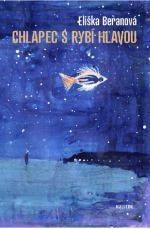
Chlapec s rybí hlavou
Chlapec s rybí hlavou je lyrickým ponorem do bezejmenného českého maloměsta, skrznaskrz šedošedého, ubíjejícího ve své každodennosti a vyčpělých ideologiích. To vše velmi ostře vnímá protagonistka příběhu, která se do svého rodiště po letech vrací, aby se rozloučila s tragicky ztraceným přítelem z dětství.
Pod zdánlivou fádností městských budov číhají temné a bytostně lidské momentky, uchopené specifickým a stylisticky výjimečným jazykem. V okolních lesích však cosi rozkvétá a pod hladinou řeky se odehrává milostný příběh 21. století, podaný bez patosu a stylizujících stereotypů.
Written in Czech by Eliška Beranová
7 minutes read

Ik deel de lucht met de vogels
Translated from
Slovenian
to
Dutch
by Staša Pavlović
Written in Slovenian by Agata Tomažič
9 minutes read
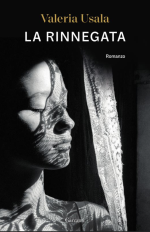
Zatajena
Translated from
Italian
to
Slovenian
by Zarja Lampret Prešeren
Written in Italian by Valeria Usala
9 minutes read
Звірі
Translated from
Dutch
to
Ukrainian
by Larysa Dobra
Written in Dutch by Gijs Wilbrink
8 minutes read
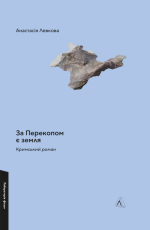
За Перекопом є земля
Крим. Саме тут минуло дитинство, юність і перше кохання головної героїні роману. Саме тут вона зрозуміла, що є українкою. Ні дідусь-підполковник КДБ, ані російська кров у венах не стали цьому на заваді.
Наче орнамент, у романі переплітаються кримськотатарська культура і українська історія. На сторінках книжки читач зустрінеться з кримськими татарами, караїмами, українцями, росіянами, німцями, євреями, греками, вірменами Криму, крок за кроком відкриватиме шафи з родинними скелетами. Разом з головною героїнею та її подругою Аліє пройде шлях від їхнього дитинства – з 1990-х – аж до окупації півострова Росією в 2014-му, з екскурсами в давнішу історію Криму.
«За Перекопом є земля» — це спроба відкрити материк для півострова, а півострів для материка з незвичного ракурсу. Адже і там, і там є земля. Її варто пізнати й повернути їй цілісність.
Written in Ukrainian by Anastasia Levkova
7 minutes read

Присъда
На двама негодници е наредено да екзекутират доносник. Скитайки се из планини и села, те са преследвани от собственото си минало. Онирична притча, развиваща се в един жесток свят, с герои, обзети от собствения си страх.
Translated from
Polish
to
Bulgarian
by Evgenia Geneva
Written in Polish by Ishbel Szatrawska
8 minutes read