View all filters
Clear








Od nekdaj živiva v tej vasi
Translated from
Spanish
to
Slovenian
by Katja Petrovec
Written in Spanish by Aixa De la Cruz Regúlez
4 minutes read
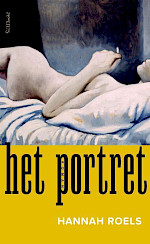
Portrét
Translated from
Dutch
to
Czech
by Veronika Horáčková
Written in Dutch by Hannah Roels
6 minutes read
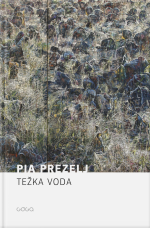
Тежка вода
Translated from
Slovenian
to
Bulgarian
by Dimana Miteva
Written in Slovenian by Pia Prezelj
9 minutes read
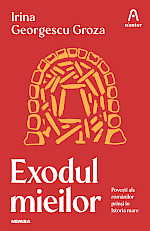
El éxodo de los corderos
La ficción histórica El éxodo de los corderos parte de las consecuencias de la masacre cometida contra una comunidad del oeste de Rumanía, inmediatamente después de la firma del Segundo arbitraje de Viena, en 1940. El inicio de la Segunda Guerra Mundial sorprende a Domnica y a los hermanos Romi y Miculuș en el castillo de la familia Teleki, donde trabajan como sirvientes. En cuanto se enteran de que su aldea ha sido atacada, emprenden el camino para salvar a su madre. Sin embargo, la única vía de escape de las tropas horthystas armadas es la red de túneles subterráneos excavados entre las fortalezas de Transilvania (al comienzo del libro hay un mapa de esta red), donde los refugiados rumanos buscan a sus familias y una vía hacia la libertad. En el Subsuelo tienen lugar enfrentamientos de todo tipo, ya que no todas las galerías han sido terminadas, faltan provisiones en las despensas y un espía enviado por los húngaros introduce en su interior un saco de dinamita. Paralelamente al drama de los refugiados, se entrelaza también la historia de amor entre Romi y Domnica, que se pierden el uno del otro. Domnica queda retenida en una aldea habitada por un grupo de espías rusos, mientras que Romi es perseguido por el hijo del conde Teleki y por sus soldados. El éxodo de los corderos no es solo una historia trepidante sobre caminos y fronteras, sino también una novela que abre diálogos sobre temas como el exilio, la memoria colectiva y los derechos de las mujeres, invitándonos al final a preguntarnos: ¿qué precio estamos dispuestos a pagar por la libertad y qué legado elegimos dejar a las generaciones futuras?
Translated from
Romanian
to
Spanish
by Borja Mozo
Written in Romanian by Irina Georgescu Groza
11 minutes read
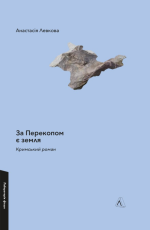
Er is nog land voorbij de Perekop
Translated from
Ukrainian
to
Dutch
by Roman Nesterenco
Written in Ukrainian by Anastasia Levkova
12 minutes read
Ortensio
Translated from
Italian
to
Portugese
by Ana Cristino
Written in Italian by Maurizio Amendola
3 minutes read
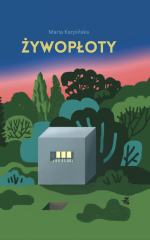
Żywopłoty (The Hedges)
“Debiut Karpińskiej to opowiadania pisane Gombrowiczem, ale fajniejsze, bo o ludziach z naszych ulic” Olga Hund
Opis okładkowy:
Żywopłoty to historia człowieka, którego tożsamość zbudowana jest na narracji – istnieje tylko wtedy, gdy opowiada, dlatego jego dzieje rozpisane są niczym dzieje świata, który on szczelnie wypełnia.
Żywopłoty – z ich odrealnieniem, a jednocześnie koncentrancją na zwykłych, prostych codziennych sprawach – układają się w rodzaj baśni. To baśń o tym, co w życiu najważniejsze.
Poszczególne mikrohistorie można poznawać osobno i przy każdej na nowo odkrywać perspektywy i wymiary człowieczeństwa. Czyta się je – jak utwory najlepszych autorów czeskich, takich jak Pavel czy Hrabal – jak rzecz niewymuszoną, trochę spoza literackiego świata, nieosadzoną w konkretnej rzeczywistości i czasie.
Written in Polish by Maria Karpińska
9 minutes read
Zvířata v nás
Translated from
Dutch
to
Czech
by Barbora Genserová
Written in Dutch by Lieselot Mariën
7 minutes read
Abbiamo sempre vissuto in questo paese
Translated from
Spanish
to
Italian
by Ilaria Garelli
Written in Spanish by Aixa De la Cruz Regúlez
5 minutes read
C'era una volta in Crimea
Translated from
Ukrainian
to
Italian
by Claudia Bettiol
Written in Ukrainian by Anastasia Levkova
11 minutes read
Le siepi
Translated from
Polish
to
Italian
by Paola Pappalardo
Written in Polish by Maria Karpińska
12 minutes read
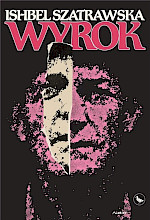
Presuda
Dvojici pokvarenjaka naloženo je da pogube cinkaroša. Dok tumaraju planinama i selima, za petama im je vlastita prošlost. Ovo je onirička parabola smeštena u surovi svet, u kojoj strah gospodari sudbinama junaka.
Translated from
Polish
to
Serbian
by Milica Kozić
Written in Polish by Ishbel Szatrawska
8 minutes read
Samochód ze starożytnej Grecji
Translated from
Czech
to
Polish
by Agata Wróbel
Written in Czech by Ondrej Macl
9 minutes read
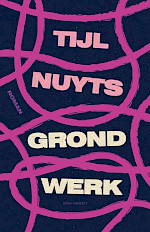
Grondwerk
Grondwerk [Groundwork] (2025) explores climate change, collective action and attempts to make the world habitable in poetic and sensory language. In the novel, a naked mole-rat is sent on a mission from her colony in the Horn of Africa to a square in Brussels. Waiting for a briefing that fails to arrive, she observes the curious ways of the homo sapiens and starts digging tunnels in Brussels’ underbelly. As sinkholes grow all over the city – fragmenting the infrastructure of the political heart of Europe – a meeting and growing friendship with a climate activist produces an unexpected twist. Grondwerk was shortlisted for the Boekenbon Literatuurprijs and very positively reviewed in the Belgian and Dutch press.
Written in Dutch by Tijl Nuyts
9 minutes read
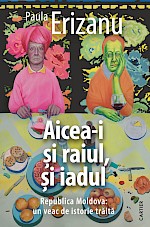
Măi, fetelor (It’s Both Heaven and Hell Here. Moldova: a Century of Lived History)
There are few places across Europe which have had the tumultuous story of Moldova in the 20th and 21st centuries. My greatgrandmother, for instance, spent most of her life in the same village while living in four different countries: she was born in the Russian Empire, went to school in Romania, resisted collectivisation and eventually gave in during the Soviet era, and got retired in the independent Republic of Moldova. I share her story in this book, as well as stories of other people with different backgrounds I interviewed, in an effort to create a polyphonic view of Moldova’s recent history. Chronologically, the book starts with the 1903 infamous Chisinau pogrom and it ends with the 2022 refugee crisis caused by the full-scale invasion of Ukraine. Geographically, the stories are rooted in Moldova but they cover the whole world thanks to the processes of migration that characterised all of the communities described in this book — Jewish, Roma, Armenian, Moldovan, Ukrainian, Russian etc. — at different points during history.
Written in Romanian by Paula Erizanu
7 minutes read
Băiatul cu cap de pește
Translated from
Czech
to
Romanian
by Andrei Săndulescu
Written in Czech by Eliška Beranová
9 minutes read
Scavi
Grondwerk [Scavi] (2025) esplora il cambiamento climatico e l’azione collettiva, tentando di rendere il mondo abitabile attraverso un linguaggio poetico e sensoriale. Nel romanzo, una talpa senza pelo viene inviata in missione dalla sua colonia nel Corno d’Africa in una piazza di Bruxelles. In attesa di istruzioni che tardano ad arrivare, la talpa osserva gli strani comportamenti degli Homo sapiens e inizia a scavare gallerie nelle viscere della città.
Mentre Bruxelles si apre in voragini che frammentano l’infrastruttura del cuore politico dell’Europa, l’incontro e la crescente amicizia con un attivista per il clima conducono a una svolta inaspettata. Grondwerk è stato candidato al premio letterario Boekenbon ed è stato accolto positivamente dalla stampa belga e olandese.
Translated from
Dutch
to
Italian
by Matilde Soliani
Written in Dutch by Tijl Nuyts
9 minutes read
Automobil ze starého Řecka
Written in Czech by Ondrej Macl
8 minutes read
Живи плетове
Translated from
Polish
to
Bulgarian
by Evgenia Geneva
Written in Polish by Maria Karpińska
10 minutes read
Sulinin glas
Translated from
Dutch
to
Serbian
by Tamara Britka
Written in Dutch by Anneleen Van Offel
7 minutes read