View all filters
Clear








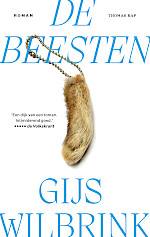
Bestie
„Nechci moc prozrazovat, ale podle mě se to s Tomem Kellerem pokazilo už tehdy, když ho jeho dva strýcové vzali v noci do lesa a nechali ho dělat věci, které by devítiletý chlapec ještě dlouho dělat neměl.“
Tak začíná debutový román Gijse Wilbrinka Bestie. Příběh se odehrává ve východní části Nizozemska mezi motorkami, pytláky, chovy norků a kšefty, které nesnesou denní světlo. V mystickém pohraničí plném tajemství vyrůstá Tom Keller, nejmladší z potomků v okolí nechvalně známé rodiny, který dostal do vínku talent pro motokros. Když po letech najednou zmizí, vydá se ho do rodného kraje hledat jeho svéhlavá dcera a výsledkem je dramatické rodinné znovushledání.
Translated from
Dutch
to
Czech
by Klára Němcová
Written in Dutch by Gijs Wilbrink
7 minutes read
Ode aan de orkaan
Translated from
Spanish
to
Dutch
by Joep Harmsen
Written in Spanish by Alejandro Morellón Mariano
4 minutes read
Sempre vivemos nesta aldeia
Translated from
Spanish
to
Portugese
by Miguel Martins
Written in Spanish by Aixa De la Cruz Regúlez
5 minutes read
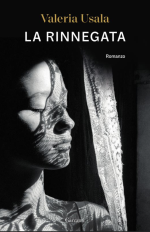
De verloochende
Translated from
Italian
to
Dutch
by Leine Meeus
Written in Italian by Valeria Usala
10 minutes read
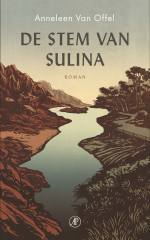
La voce di Sulina
Translated from
Dutch
to
Italian
by Matilde Soliani
Written in Dutch by Anneleen Van Offel
7 minutes read
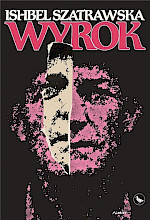
Sentința
Doi bandiți au primit ordin să execute un turnător. Rătăcind prin munți și sate, sunt ei înșiși urmăriți de trecut. O parabolă onirică plasată într-o lume brutală, cu personaje cuprinse de propria lor frică.
Translated from
Polish
to
Romanian
by Oana-Andreea Stoe
Written in Polish by Ishbel Szatrawska
9 minutes read
Хей, момичета (It’s Both Heaven and Hell Here. Moldova: a Century of Lived History)
Translated from
Romanian
to
Bulgarian
by Valentina Zlateva
Written in Romanian by Paula Erizanu
7 minutes read
Отхвърлената
Translated from
Italian
to
Bulgarian
by Brigitte Mancuso
Written in Italian by Valeria Usala
9 minutes read

Niebo dzielę z ptakami
Translated from
Slovenian
to
Polish
by Joanna Borowy
Written in Slovenian by Agata Tomažič
7 minutes read
Гласът на Сулина
Translated from
Dutch
to
Bulgarian
by Elissaveta Manolova Maciel
Written in Dutch by Anneleen Van Offel
7 minutes read
El éxodo de los corderos
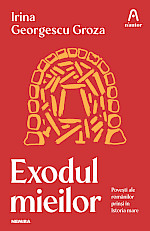
La ficción histórica El éxodo de los corderos parte de las consecuencias de la masacre cometida contra una comunidad del oeste de Rumanía, inmediatamente después de la firma del Segundo arbitraje de Viena, en 1940. El inicio de la Segunda Guerra Mundial sorprende a Domnica y a los hermanos Romi y Miculuș en el castillo de la familia Teleki, donde trabajan como sirvientes. En cuanto se enteran de que su aldea ha sido atacada, emprenden el camino para salvar a su madre. Sin embargo, la única vía de escape de las tropas horthystas armadas es la red de túneles subterráneos excavados entre las fortalezas de Transilvania (al comienzo del libro hay un mapa de esta red), donde los refugiados rumanos buscan a sus familias y una vía hacia la libertad. En el Subsuelo tienen lugar enfrentamientos de todo tipo, ya que no todas las galerías han sido terminadas, faltan provisiones en las despensas y un espía enviado por los húngaros introduce en su interior un saco de dinamita. Paralelamente al drama de los refugiados, se entrelaza también la historia de amor entre Romi y Domnica, que se pierden el uno del otro. Domnica queda retenida en una aldea habitada por un grupo de espías rusos, mientras que Romi es perseguido por el hijo del conde Teleki y por sus soldados. El éxodo de los corderos no es solo una historia trepidante sobre caminos y fronteras, sino también una novela que abre diálogos sobre temas como el exilio, la memoria colectiva y los derechos de las mujeres, invitándonos al final a preguntarnos: ¿qué precio estamos dispuestos a pagar por la libertad y qué legado elegimos dejar a las generaciones futuras?
Translated from
Romanian
to
Spanish
by Borja Mozo
Written in Romanian by Irina Georgescu Groza
11 minutes read
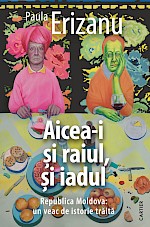
Măi, fetelor (It’s Both Heaven and Hell Here. Moldova: a Century of Lived History)
There are few places across Europe which have had the tumultuous story of Moldova in the 20th and 21st centuries. My greatgrandmother, for instance, spent most of her life in the same village while living in four different countries: she was born in the Russian Empire, went to school in Romania, resisted collectivisation and eventually gave in during the Soviet era, and got retired in the independent Republic of Moldova. I share her story in this book, as well as stories of other people with different backgrounds I interviewed, in an effort to create a polyphonic view of Moldova’s recent history. Chronologically, the book starts with the 1903 infamous Chisinau pogrom and it ends with the 2022 refugee crisis caused by the full-scale invasion of Ukraine. Geographically, the stories are rooted in Moldova but they cover the whole world thanks to the processes of migration that characterised all of the communities described in this book — Jewish, Roma, Armenian, Moldovan, Ukrainian, Russian etc. — at different points during history.
Written in Romanian by Paula Erizanu
7 minutes read
Portret
Translated from
Dutch
to
Slovenian
by Ariela Herček
Written in Dutch by Hannah Roels
6 minutes read
Ortensio
Translated from
Italian
to
Romanian
by Nicoleta Iolanda Rus
Written in Italian by Maurizio Amendola
3 minutes read
Těžká voda
Translated from
Slovenian
to
Czech
by Petra Janků
Written in Slovenian by Pia Prezelj
8 minutes read
Ледът на нейния народ
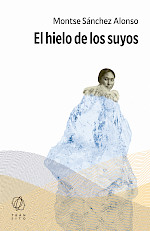
Намираме се в отдалеченото селце Ноум, Аляска, а годината е 1921. Ада Блекджек, млада жена от племето инупиат, решава да остави сина си Бенет, болен от туберкулоза, в приют, докато не намери начин да го издържа. Скоро ѝ се отваря изненадваща възможност: кораб, идващ от Сиатъл. На борда му пътуват четирима изследователи, с жажда за приключения и колониални фантазии, както и котката Вик. Те се отправят към остров Врангелия –последното убежище на мамутите–, за да присъединят територията към Британската конфедерация; търсят жена инупиат, която да готви и шие за тях по време на пътуването. Така Ада, без да обръща внимание на предсказанията на шамана, се впуска в арктическа експедиция. Няколко месеца по-късно всички изследователи ще са загинали и Ада ще трябва да оцелее сама на Врангелия, единствено в компанията на Вик. За да успее, тя ще трябва да заприлича на Големия Север и да си възвърне идентичността на жена от инупиатите, потъпкана от години на колониализъм. По време на своята трансформация тя ще се изправи пред дълбините на леда и на самата себе си; пред глада; пред смъртта на Бога; пред Нанук, мечката; както и пред възможността да не се върне в Ноум, когато пристигне спасителният кораб. Каква полза ще има от спасяването на сина си, ако колониалният ред никога няма да ѝ позволи да разцъфне? Може ли тя да бъде добра майка, ако с връщането си рискува да попадне в робство? Окончателното ѝ завръщане се случва, за да може Бенет да познае нежността и леда на нейния народ.
Translated from
Spanish
to
Bulgarian
by Ivana Peneva
Written in Spanish by Montserrat Sánchez
8 minutes read
Ortensio
Translated from
Italian
to
Portugese
by Ana Cristino
Written in Italian by Maurizio Amendola
3 minutes read
Como los animales
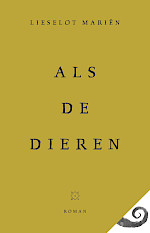
En Als de dieren, una mujer indaga en aquello a lo que se tuvo que enfrentar tras dar a luz por primera vez —una experiencia tan oscura que se resiste a la lengua y al significado—. Busca puntos de apoyo en el reino animal y en los antiguos mitos, pero también en la memoria física de su posparto: fotos, correos e, incluso, las listas de la compra de aquella época tan cruda. ¿Cómo se convierte una en madre, mucho después de haber traído a alguien al mundo? ¿Y cómo se pueden volver a juntar los pedazos de una persona después de que se haya desmoronado?
Translated from
Dutch
to
Spanish
by Pablo Martín Sánchez
Written in Dutch by Lieselot Mariën
9 minutes read
Precum animalele
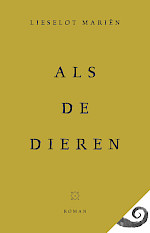
În Precum animalele, o femeie analizează ce i s-a întâmplat după nașterea primului copil – o experiență atât de sumbră, încât femeia se revoltă împotriva limbajului și a semnificației. Își caută alinarea în lumea animalelor, mituri antice, fotografii, e-mailuri, chiar și în listele de cumpărături din timpul sarcinii. Cum devii mamă la mult timp după ce ai dat naștere copilului tău? Și cum lipești la loc crâmpeiele unei persoane, după ce s-a năruit?
„O poveste tulburătoare, care îl pune pe gânduri pe cititor. O splendidă deznădejde.” – NRC Handelsblad *****
„Lieselot Mariën debutează cu un roman foarte puternic și crud despre maternitate. Precum animalele e atât raportul unei căutări existențiale, cât și o operă sclipitoare a limbajului.” – De Tijd
Translated from
Dutch
to
Romanian
by Andreea Bălteanu
Written in Dutch by Lieselot Mariën
9 minutes read
El automóvil de la Antigua Grecia
Translated from
Czech
to
Spanish
by Daniel Ordóñez Franco
Written in Czech by Ondrej Macl
11 minutes read