View all filters
Clear








Meine Mutter hat Blumen gezüchtet (Condițiile nu sunt importante)
Translated from
Serbian
to
Romanian
by Aleksandra Petrov
Written in Serbian by Ljiljana D. Ćuk
6 minutes read
Vogels die de toekomst zingen
Translated from
Spanish
to
Dutch
by Joep Harmsen
Written in Spanish by Alejandro Morellón Mariano
5 minutes read
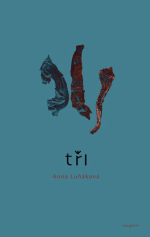
Tři!
Experimentální román Tři! rozvíjí zkušenost terapeutického sezení, ve kterém se autobiografické motivy prolínají s jazykovou hrou, a do kterého úmyslně vstupuje ta, která se vyprávěním snaží znovu vynalézt sebe sama. Komentáře terapeuta motivují cestu tohoto pátrání po identitě, vedoucího stále hlouběji, až na hranici disociace. Muž a žena v jedné osobě, ale i muž a žena vedle sebe, usilují o splynutí, a vedou tak otevřenou polemiku s autenticitou, rodem i narací.
„Možná to bylo v babiččině spíži, když jsem si prohlížela sklenici s kečupem, na kterém bylo na bílém podkladě napsáno modře: jemný. Možná to byla jen ta schopnost všímat si detailů.“
Vzpomínky odhalované ve snaze pojmenovat jedno dospívání odráží i prostou zkušenost sídliště, chudoby, ale i dětství v druhé polovině devadesátých let na malém městě, či následný přechod do Prahy na studium filosofie, která je vším jiným než konejšivou utěšitelkou.
„Kdo ztrácí kontakt s hmotou, přijde nakonec o všechno.“
Written in Czech by Anna Luňáková
6 minutes read
Spotkanie po latach
Translated from
Romanian
to
Polish
by Olga Bartosiewicz-Nikolaev
Written in Romanian by Alexandru Potcoavă
8 minutes read
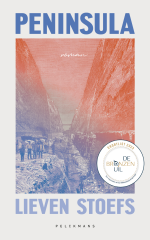
Koridor (Peninsula)
Translated from
Dutch
to
Czech
by Klára Němcová
Written in Dutch by Lieven Stoefs
7 minutes read
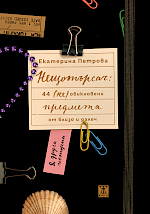
Сваштоловац: 44 (не)обична предмета из близине и даљине
Као што је истакнуто у њеном поднаслову, књига Сваштоловац садржи приче о 44 необична предмета из близине и даљине. Радознали и разнолик избор, тематски распоређен, обухвата изненађујућа открића из целог света: чизме из Бутана, плочице из Барселоне по дизајну Гаудија, чаше за вино из Баскије, брош у облику срца из Сарајева, еспадриле са Пиринеја, скарабеји из старог Египта, канту за отпатке из Њујорка, комад наранџасте тканине са „Плутајућих пристаништа“ у језеру Изео, словеначког змаја, мапу Источног Берлина и још много тога. Причајући приче о конкретним предметима, Екатерина Петрова заправо говори и о местима из којих потичу – Дрвенграду и Катмандуу, Љубљани и Луизијани, Белведеру и Билбау, Селчуку и Централ парку – а истовремено их ставља у шири лингвистички, културни, историјски, антрополошки или географски контекст. Инвентивна мешавина путописа, есеја и кратких прича, текстови су пажљиво истражени и зачињени занимљивим чињеницама, али преломљени кроз субјективни поглед ауторке, као и кроз њену личну биографију као путника, преводиоца и сваштоловца. Уметнички трансформисан естетским оком Љубе Халеве, једне од најистакнутијих савремених бугарских илустратора, изглед књиге на диван и духовит начин хвата дух и расположење прича. На тај начин сама књига постаје леп, пријатан и радостан предмет - за читање и анализирање, за поседовање и поклон.
Translated from
Bulgarian
to
Serbian
by Nikolina Đorđević
Written in Bulgarian by Ekaterina Petrova
8 minutes read
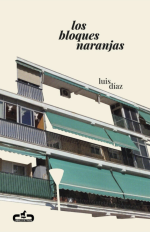
Помаранчеві блоки
Translated from
Spanish
to
Ukrainian
by Oleksandra Laktionova
Written in Spanish by Luis Díaz
7 minutes read
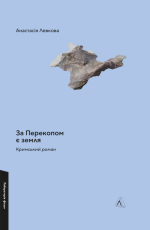
Bilo je nekoč na Krimu
Translated from
Ukrainian
to
Slovenian
by Rina Pleteršek
Written in Ukrainian by Anastasia Levkova
9 minutes read
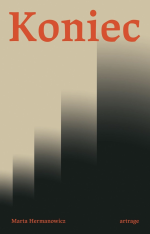
Konec
Translated from
Polish
to
Slovenian
by Sara Hočevar Mucić
Written in Polish by Marta Hermanowicz
13 minutes read
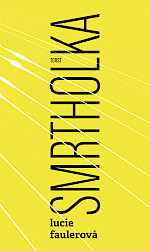
Morana
Translated from
Czech
to
Polish
by Agata Wróbel
Written in Czech by Lucie Faulerová
8 minutes read
Meine Mutter hat Blumen gezüchtet (Pogoji niso pomembni)
Translated from
Serbian
to
Slovenian
by Natalija Milovanović
Written in Serbian by Ljiljana D. Ćuk
5 minutes read
Fata care aduce moartea
Translated from
Czech
to
Romanian
by Mircea Dan Duță
Written in Czech by Lucie Faulerová
11 minutes read
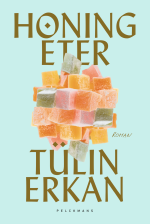
ARRIVALS / GELIȘ (Mielero)
Translated from
Dutch
to
Spanish
by Pablo Martín Sánchez
Written in Dutch by Tülin Erkan
7 minutes read
O arrendamento
Written in Portugese by Daniela Costa
8 minutes read
Krimski roman
Translated from
Ukrainian
to
Serbian
by Dragana Vasilijević-Valent
Written in Ukrainian by Anastasia Levkova
8 minutes read
cihlové bloky
Translated from
Spanish
to
Czech
by Markéta Cubrová
Written in Spanish by Luis Díaz
7 minutes read
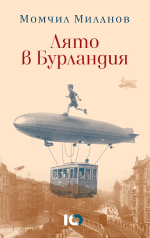
Het ministerie van dromen
Translated from
Bulgarian
to
Dutch
by Kieran Van Overwaele
Written in Bulgarian by Momchil Milanov
11 minutes read
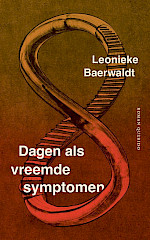
Zile sub forma unor simptome bizare
Protagonista pe nume Sisif rătăcește prin iad cu un scaun cu rotile gol și nu știe exact ce caută acolo, în afară de faptul că trebuie să-și ia fiica, care suferă de multiple dizabilități, de la centrul de zi. O misiune care eșuează de fiecare dată, după care se întoarce dezamăgită în apartamentul dărăpănat de la parterul unui complex ciudat. Când gazda ei începe aparent din senin să discute cu ea, începe brusc să își amintească lucruri.
Zile sub forma unor simptome bizare este o luptă împotriva plictiselii, o explorare a limitelor maternității, ale speranței și disperării, ale vieții și morții.
Un roman care te izbește ca un asasin, în cap și în inimă, cu o precizie neînfricată. – NRC
Zile sub forma unor simptome bizare este un roman complex, plin de referințe din filozofie și mitologia greacă. Alegerea lui Baerwaldt de a folosi o formă nemiloasă, fragmentată și un stil nu întotdeauna primitor denotă curaj și originalitate. Cititorul care îndrăznește să se lase purtat de povestea acestei mame, la prima vedere inaccesibile, va fi profund mișcat de acest roman excepțional. – raportul juriului Premiului Literar BNG
Translated from
Dutch
to
Romanian
by Mădălina Balea
Written in Dutch by Leonieke Baerwaldt
9 minutes read
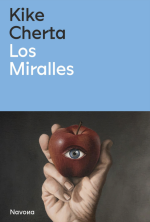
Miraljesovi
Translated from
Spanish
to
Serbian
by Irena Selaković
Written in Spanish by Kike Cherta
8 minutes read
Susret
Translated from
Romanian
to
Serbian
by Simona Popov
Written in Romanian by Alexandru Potcoavă
8 minutes read