View all filters
Clear








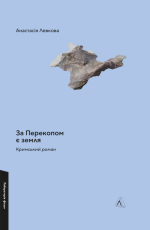
Bajo el cielo de Crimea
Translated from
Ukrainian
to
Spanish
by Alina Petryk
Written in Ukrainian by Anastasia Levkova
9 minutes read
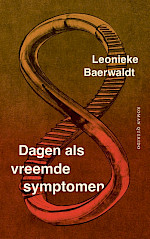
Giorni come strani sintomi
Sisifo vaga per l’inferno spingendo una sedia a rotelle vuota e non sa di preciso che cosa ci faccia lì, eccetto che deve passare a prendere sua figlia – affetta da molteplici disabilità – dal centro diurno. Una missione che fallisce di continuo, e al termine della quale ritorna delusa nel fatiscente appartamento al piano terra di uno stravagante condominio. Quando la sua padrona di casa, apparentemente dal nulla, si mette a conversare con lei, Sisifo inizia di colpo a ricordare.
Giorni come strani sintomi è una lotta contro il tedio, un’indagine sui confini della maternità, della speranza e della disperazione, della vita e della morte.
Translated from
Dutch
to
Italian
by Jessica Rostro Benigno
Written in Dutch by Leonieke Baerwaldt
9 minutes read
Mirallesovi
Translated from
Spanish
to
Slovenian
by Mojca Petaros
Written in Spanish by Kike Cherta
7 minutes read
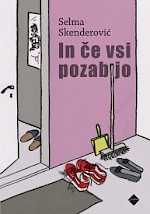
І якщо всі забудуть
«І якщо всі забудуть» — це історія про ідентичність, чужість і нерозуміння, перший роман Сельми Скендерович, лауреатки фестивалю молодої літератури “Urška Festival” 2020.
«І якщо всі забудуть» — це роман дорослішання та пошуку ідентичності, який продовжує питання, що їх авторка ставила в дебютній збірці короткої прози «Чому мовчиш, Єво?». Першоосібна інтимна розповідь молодої студентки про історію класового сорому, наслідків сімейного насильства, досвіду відчуження та проблем з ідентичністю. Як жити, коли ти чужий і «тут», і «вдома»?
Translated from
Slovenian
to
Ukrainian
by Yuliia Stankevych
Written in Slovenian by Selma Skenderović
7 minutes read
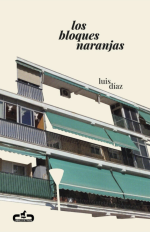
Caseggiati arancioni
Translated from
Spanish
to
Italian
by Martino Gandi
Written in Spanish by Luis Díaz
8 minutes read
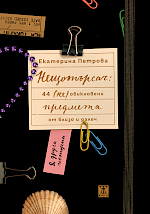
Iskar: 44 (ne)navadnih predmetov od blizu in daleč
Kot namiguje podnaslov, knjiga Iskar vsebuje zgodbe o 44 predmetih od blizu in daleč. Radovedna in raznolika zbirka, urejena po tematikah, vključuje presenetljive najdbe z vsega sveta: škornje iz Butana, tlakovce z Gaudijevim vzorcem iz Barcelone, kozarce za vino iz Baskije, broško v obliki srca iz Sarajeva, espadrile iz Pirenejev, skarabeje iz starega Egipta, škatlo smeti iz New Yorka, kos oranžne tkanine s plavajočih pomolov na jezeru Iseo, slovenskega rjovečega zmaja, zemljevid vzhodnega Berlina in še mnogo več.
Ko Ekaterina Petrova pripoveduje zgodbe o teh predmetih, pravzaprav pripoveduje tudi o krajih, od koder prihajajo – Kustendorf in Katmandu, Ljubljana in Louisiana, Belvedere in Bilbao, Selçuk in Centralni park –, ter jih umešča v širši jezikovni, kulturni, zgodovinski, antropološki ali geografski kontekst. Umetelna mešanica potopisov, esejev in zgodb je skrbno raziskana in podkrepljena z zanimivimi dejstvi, vendar prežeta s subjektivnim pogledom avtorice in njeno osebno biografijo popotnice, prevajalke in iskarke.
Oblikovanje in podoba knjige, ki jo je ustvarila Ljuba Haleva, ena najvidnejših sodobnih bolgarskih ilustratork, dobro in s smislom za humor pričara duh zgodb. Tako tudi sama knjiga postane čudovit predmet, ki prinaša užitek in veselje – za branje in ponovno branje, za posedovanje in obdarovanje.
Translated from
Bulgarian
to
Slovenian
by Maja Kovač
Written in Bulgarian by Ekaterina Petrova
8 minutes read
Шукачі чогось: 44 (не)звичайні предмети зблизька і здалека
Као што је истакнуто у њеном поднаслову, књига Сваштоловац садржи приче о 44 необична предмета из близине и даљине. Радознали и разнолик избор, тематски распоређен, обухвата изненађујућа открића из целог света: чизме из Бутана, плочице из Барселоне по дизајну Гаудија, чаше за вино из Баскије, брош у облику срца из Сарајева, еспадриле са Пиринеја, скарабеји из старог Египта, канту за отпатке из Њујорка, комад наранџасте тканине са „Плутајућих пристаништа“ у језеру Изео, словеначког змаја, мапу Источног Берлина и још много тога. Причајући приче о конкретним предметима, Екатерина Петрова заправо говори и о местима из којих потичу – Дрвенграду и Катмандуу, Љубљани и Луизијани, Белведеру и Билбау, Селчуку и Централ парку – а истовремено их ставља у шири лингвистички, културни, историјски, антрополошки или географски контекст. Инвентивна мешавина путописа, есеја и кратких прича, текстови су пажљиво истражени и зачињени занимљивим чињеницама, али преломљени кроз субјективни поглед ауторке, као и кроз њену личну биографију као путника, преводиоца и сваштоловца. Уметнички трансформисан естетским оком Љубе Халеве, једне од најистакнутијих савремених бугарских илустратора, изглед књиге на диван и духовит начин хвата дух и расположење прича. На тај начин и сама књига постаје леп, пријатан и радостан предмет – за читање и читање, за поседовање и за поклон.
Translated from
Bulgarian
to
Ukrainian
by Khrystia Vengryniuk
Written in Bulgarian by Ekaterina Petrova
7 minutes read
Nec mergitur
Written in Dutch by Simone Atangana Bekono
8 minutes read
O reencontro
Translated from
Romanian
to
Portugese
by Cristina Visan
Written in Romanian by Alexandru Potcoavă
9 minutes read
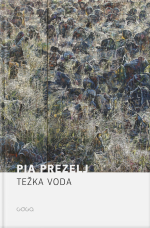
Težka voda
V svetu, ki ga naseljujejo Ida, Marta, Tone in Lojze, na vrtovih gnijejo paradižniki, na nočnih omaricah ždijo nagačeni zajci, krave pa je treba slej kot prej ustreliti med oči. Nič čudnega, če na blatni zemlji komu usodno spodrsne ali pa mu glavo spešta kakšno drevo; Gospod vendarle daje in jemlje, povrh vsega pa še odpušča.
V romanu Težka voda, svojstveni anatomiji krivde, ki prelamlja s tradicijo slovenske povesti, se drobci iz življenja starejše protagonistke Ide med posledicami zamolčane preteklosti in neizživete prihodnosti postopoma sestavljajo v okrušeno celoto. Ta v ekspresivnem, dovršenem slogu razkriva predvsem bridko resnico o prepletenosti življenj znotraj manjše vaške skupnosti, kjer se vse zdi na dlani, pa vendar skrivnost rojeva nove skrivnosti.
Written in Slovenian by Pia Prezelj
9 minutes read
Un pitido
Translated from
Romanian
to
Spanish
by Luciana Moisa
Written in Romanian by Lavinia Braniște
9 minutes read
Los bloques naranjas
Una ventana a la amistad masculina: la corporalidad y los afectos truncados, torpes, subterráneos, que se dan en una pandilla de chicos de barrio durante los 2000.
Written in Spanish by Luis Díaz
8 minutes read
Los Miralles
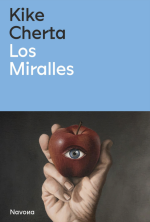
La primera novela de Kike Cherta parte de una premisa tan sugerente como original. Los Miralles, una atípica familia valenciana, están convencidos de que el manzano que crece en el patio de su alquería es de origen divino. De hecho, creen que es el mismísimo Árbol del Bien y del Mal que aparece en la Biblia, el mismo del que comieron Adán y Eva embaucados por una serpiente parlanchina. Desde hace generaciones, tienen una única misión: vigilarlo noche y día para que nadie vuelva a probar jamás del fruto prohibido.
En este sorprendente debut, Kike Cherta indaga en las paradojas propias de cualquier tradición, en las siempre complejas dinámicas familiares y en la culpa asociada a las raíces. Envuelta en un aura mágica que casi no deja diferencias lo que es real de lo que es milagro, el libro se nutre de un punto medio ideal entre trascendencia y humor. Religión, familia e identidad se mezclan en una suerte de comedia negra profanamente bíblica.
Written in Spanish by Kike Cherta
9 minutes read
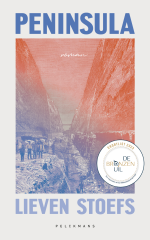
Coridor (Peninsula)
Translated from
Dutch
to
Romanian
by Andreea Bălteanu
Written in Dutch by Lieven Stoefs
8 minutes read
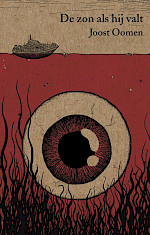
O Sol quando Cai
Translated from
Dutch
to
Portugese
by Xénon Cruz
Written in Dutch by Joost Oomen
9 minutes read
De zon als hij valt
Pols, pols, oog, pols. Een jongen is een jongen en een meisje is een meisje en een jongen. Jij bent een jongen en je moet altijd naar mij toe komen. Elke nacht opnieuw moet jij over het water varen in een half leeggelopen rubberboot en ik moet elke ochtend een vuur ontsteken op het hoogste flatgebouw van mijn stad. Zodat jij iets hebt om op af te varen. Ik ben het meisje dat moet blijven zitten waar ze zit. En jij bent de jongen die de zee probeert leeg te drinken. Allemaal voor de pols, allemaal voor het oog. Soms zijn de dingen in een verhaal belangrijker dan de personages die ze beheersen. "De zon als hij valt" gaat over de reis die een jongen, een meisje, een oog en een pols afleggen om samen te zijn. Uitgangspunt voor deze novelle zijn twee historische objecten: het glazen oog dat overbleef na een drone-aanval op terrorist Mokhtar Belmokhtar en de pols van een vrachtwagenchauffeur die werd teruggevonden na een verder allesverwoestende explosie op camping Los Alfaques in Spanje.
Written in Dutch by Joost Oomen
8 minutes read
Ptaki zwiastujące przyszłość
Translated from
Spanish
to
Polish
by Katarzyna Górska
Written in Spanish by Alejandro Morellón Mariano
4 minutes read
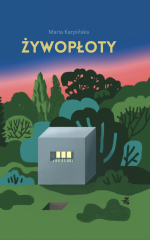
Garduri vii
Translated from
Polish
to
Romanian
by Oana-Andreea Stoe
Written in Polish by Maria Karpińska
11 minutes read
Însemnări pe marginea vieții lui Frances Donnell
Translated from
Spanish
to
Romanian
by Silvia Alexandra Ștefan
Written in Spanish by Adriana Murad Konings
6 minutes read
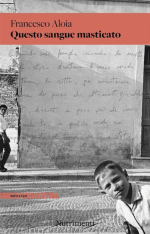
Ta przeżuta krew
Translated from
Italian
to
Polish
by Amina Niepsuj-Wood
Written in Italian by Francesco Aloia
8 minutes read