View all filters
Clear








Orașul străin
Translated from
Czech
to
Romanian
by Mircea Dan Duță
Written in Czech by Anna Háblová
12 minutes read
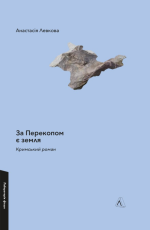
За Перекопом є земля
Крим. Саме тут минуло дитинство, юність і перше кохання головної героїні роману. Саме тут вона зрозуміла, що є українкою. Ні дідусь-підполковник КДБ, ані російська кров у венах не стали цьому на заваді.
Наче орнамент, у романі переплітаються кримськотатарська культура і українська історія. На сторінках книжки читач зустрінеться з кримськими татарами, караїмами, українцями, росіянами, німцями, євреями, греками, вірменами Криму, крок за кроком відкриватиме шафи з родинними скелетами. Разом з головною героїнею та її подругою Аліє пройде шлях від їхнього дитинства – з 1990-х – аж до окупації півострова Росією в 2014-му, з екскурсами в давнішу історію Криму.
«За Перекопом є земля» — це спроба відкрити материк для півострова, а півострів для материка з незвичного ракурсу. Адже і там, і там є земля. Її варто пізнати й повернути їй цілісність.
Written in Ukrainian by Anastasia Levkova
7 minutes read
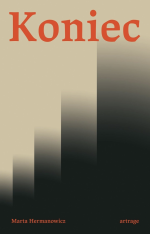
Los confines
Translated from
Polish
to
Spanish
by Teresa Benítez
Written in Polish by Marta Hermanowicz
15 minutes read
Cizí město
Written in Czech by Anna Háblová
9 minutes read

Živý plot
Translated from
Polish
to
Czech
by Agnieszka Buchtová
Written in Polish by Maria Karpińska
10 minutes read
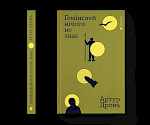
Гемінґвей нічого не знає
Ця книга короткої прози — свідчення солдата про досвід великої війни. Віра на фронті, братерство між військовими, страх і надія, смерть і Любов. Автор пропрацьовує власні травматичні спогади, але текст може стати психотерапією не лише для нього, а й для читачів. Автор говорить про себе, переповідає реальність та сни, але передовсім фіксує життя на межі. Розповідає про людей великої Любові, на яких все й тримається. Тут обʼявляється Господь Окопний, починається Найновіший Завіт, стає опорою українська культура в рюкзаку, а визнані метри воєнної літератури не витримують випробування реальністю. Їм про нас, українців, нічого не відомо. Про себе можемо говорити тільки ми, бо на Східному фронті все змінилось. І Артур Дронь говорить про це відверто і прямо. Як говорять ті, які були на межі. І повернулися.
Written in Ukrainian by Artur Dron
9 minutes read
Punct de evadare
Translated from
Dutch
to
Romanian
by Cătălina Oșlobanu
Written in Dutch by Maud Vanhauwaert
8 minutes read
Цветове на лотос, които се затварят (когато влезеш в тях) (Пътят на перцепциониста)
Translated from
Serbian
to
Bulgarian
by Tsvetomira Mladenova
Written in Serbian by Nikola Lekić
6 minutes read
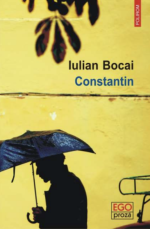
Constantin. Portret
Translated from
Romanian
to
Polish
by Aleksander Podgórny
Written in Romanian by Iulian Bocai
7 minutes read

Perturbarea acțiunii
Anii `70. William „Mole Man” Lyttle descoperă într-un tunel de sub casa lui o frază care va influența ireversibil cursul lumii. „Viețile noastre deja nu ne mai par povești”.
Protagonista acestui roman de autoficțiune este Emma, în vârstă de treizeci și trei de ani, care încearcă să-și înțeleagă rădăcinile cehe, să se împace cu moartea mamei sale și să găsească răspunsuri la întrebările legate de dispariția partenerei sale. Istoria din jurul ei nu curge, ci se acumulează și se sparge. Printre rămășițe, nivelul apei crește în mod catastrofal și incendiile se intensifică. Emma se luptă cu ele în încercarea de a se îndepărta de iubirea în care se câștigă și se pierde. În povestea sa ajungem la final împreună sau fiecare în felul său, povestea rămâne. La fel și întrebarea dacă povestirea poate ajuta omul să se împace cu evenimentele tragice.
„Esența romanului constă în explorarea posibilităților limbajului și ale narațiunii ca instrumente gestionare a evenimentelor dureroase. Textul este saturat de imagini colorate, în care se reflectă atât abilitățile unei poete consacrate, cât și ale unei prozatoare talentate.” — redacția editurii Host
„Romanul are o structură, un ritm și un mesaj puternic. Oferă speranța că și cele mai mici ficțiuni ne pot salva de catastrofe.” — A2
Translated from
Czech
to
Romanian
by Andrei Săndulescu
Written in Czech by Emma Kausc
6 minutes read
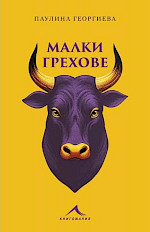
Pequeños pecados
Un grupo de amigos se forma tras un incidente ocurrido en un concierto de la diva del pop italiana Verda en Berlín, en el que la búlgara Nora se desmaya tras sufrir una sobredosis de psicoestimulantes. Los presentes en el palco —el empresario griego Adrián y el fotógrafo sueco Johan, así como la pareja israelí formada por el terapeuta Sol y la artista Lilit— ayudan a la afectada. Los seis se van acercando poco a poco y comienzan a verse en distintos lugares de Europa. Cada uno de ellos parece una persona exitosa y feliz, pero en lo más profundo de su ser lleva las traumas del pasado. Estos traumas dan lugar en cada uno a un «pequeño pecado»: adicción al alcohol, a los psicoestimulantes, infidelidad, mentira, manipulación y arrogancia.
Nora se enamora de Johan, mientras que Adrián y Sol deciden construir un moderno centro de retiro en la isla de Creta. El grupo de amigos se reúne allí para pasar unas vacaciones. Durante la terapia de grupo, cada uno comparte su «pequeño» pecado. Lilit confiesa que ha cometido adulterio con Adrián. Conmocionado por lo oído, Sol se somete al antiguo ritual de saltar sobre un toro, que simboliza el juicio de Dios. El toro lo deja herido.
Con el tiempo, cada uno intenta superar las secuelas de aquel día. Johan ya no bebe. Lilit y Adrián viven juntos en San Francisco. Nora se está recuperando de su adicción y Sol está discapacitado. Un día, él recibe un paquete de Lilit: sus antiguas notas terapéuticas. En ellas pone que Lilit puede que sea fruto de un incesto. Se da cuenta de que en la sesión de grupo ella mintió para castigarlo por su cruel juicio. Su «pequeño» pecado fue la mentira, no la infidelidad.
Translated from
Bulgarian
to
Spanish
by Marco Vidal
Written in Bulgarian by Paulina Georgieva
8 minutes read

Los mundos imaginarios de Edgar Kaos
Translated from
Slovenian
to
Spanish
by David Heredero
Written in Slovenian by Julija Lukovnjak
11 minutes read
Una ciudad ajena
Translated from
Czech
to
Spanish
by Daniel Ordóñez Franco
Written in Czech by Anna Háblová
12 minutes read
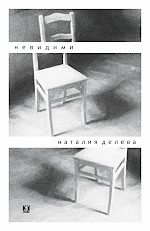
Invisibles
«Invisibles» es una novela sobre la intolerancia hacia quienes son diferentes, en la que los niños se inventan a sus padres. Una chica que creció en un orfanato intenta superar los traumas de su infancia. Tras una serie de rupturas, conoce a Dara, una niña abandonada en la que se reconoce a sí misma de pequeña. Se encariña con ella y decide, a toda costa, encontrar la manera de regalarle la vida que ella misma nunca tuvo. Esta es una novela sobre las personas que viven en los márgenes de la sociedad. Diferentes tramas se entrelazan para contar una historia común: la de la invisibilidad.
Translated from
Bulgarian
to
Spanish
by Marco Vidal
Written in Bulgarian by Nataliya Deleva
12 minutes read
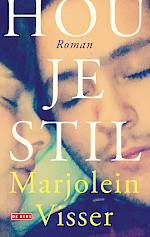
Bolje je da ćutiš
Translated from
Dutch
to
Serbian
by Tamara Britka
Written in Dutch by Marjolein Visser
8 minutes read
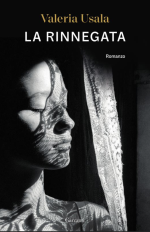
La rinnegata
A story of three generations of women, their courage and search for independence in the face of superstition and prejudice, in the spirit of Natalia Ginzburg and Elena Ferrante. In this striking debut, based on a true story, Valeria Usala bears witness to an age-old story of violence against women and takes us into the heart of rural Sardinia, where superstitions and cruelty coexist with the joys and companionship of a tight-knit community.
Teresa runs a shop and a tavern. But not even the family she has created with the man she loves can protect her from the malicious gossip of jealous locals, who are threatened by her independence. Her own mother, Maria, was made an outcast, and now Teresa is in turn forsaken by the villagers. Will she pay for her success with her life? Is she like a character in Greek tragedy, whose destiny is inevitable? A story that gives voice to the forgotten women of Sardinia—and to the one of women everywhere.
Written in Italian by Valeria Usala
10 minutes read
Sęp płowy
Translated from
Serbian
to
Polish
by Patrycja Chajęcka
Written in Serbian by Filip Grujić
7 minutes read
Punto di fuga
Translated from
Dutch
to
Italian
by Antonio De Sortis
Written in Dutch by Maud Vanhauwaert
8 minutes read
Píditel: 44 (ne)obyčejných věcí z blízka i z daleka
Translated from
Bulgarian
to
Czech
by Jitka Zárubová
Written in Bulgarian by Ekaterina Petrova
8 minutes read
Dani kao čudni simptomi
Translated from
Dutch
to
Serbian
by Tamara Britka
Written in Dutch by Leonieke Baerwaldt
8 minutes read