View all filters
Clear








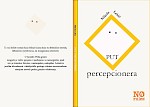
Flores de loto que se cierran (cuando en ellas se entra) (Put percepcionera )
Translated from
Serbian
to
Spanish
by Miguel Alonso
Written in Serbian by Nikola Lekić
8 minutes read
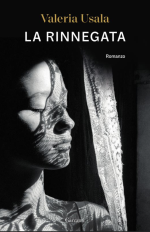
La rinnegata
A story of three generations of women, their courage and search for independence in the face of superstition and prejudice, in the spirit of Natalia Ginzburg and Elena Ferrante. In this striking debut, based on a true story, Valeria Usala bears witness to an age-old story of violence against women and takes us into the heart of rural Sardinia, where superstitions and cruelty coexist with the joys and companionship of a tight-knit community.
Teresa runs a shop and a tavern. But not even the family she has created with the man she loves can protect her from the malicious gossip of jealous locals, who are threatened by her independence. Her own mother, Maria, was made an outcast, and now Teresa is in turn forsaken by the villagers. Will she pay for her success with her life? Is she like a character in Greek tragedy, whose destiny is inevitable? A story that gives voice to the forgotten women of Sardinia—and to the one of women everywhere.
Written in Italian by Valeria Usala
10 minutes read
Medir el tiempo en la Antigüedad
Translated from
Italian
to
Spanish
by Paula Caballero
Written in Italian by Fabio Guidetti
9 minutes read
Een paar maanden later
Translated from
Slovenian
to
Dutch
by Staša Pavlović
Written in Slovenian by Andraž Rožman
11 minutes read
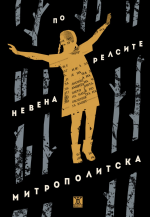
По шинама
Translated from
Bulgarian
to
Serbian
by Nikolina Đorđević
Written in Bulgarian by Nevena Mitropolitska
9 minutes read
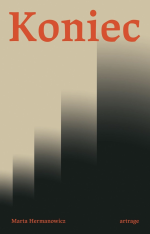
В края
Translated from
Polish
to
Bulgarian
by Evgenia Geneva
Written in Polish by Marta Hermanowicz
13 minutes read
El Imperio romano en cien fechas
Translated from
Italian
to
Spanish
by Paula Caballero
Written in Italian by Fabio Guidetti
9 minutes read
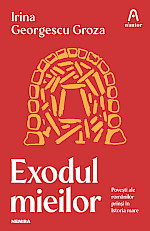
De exodus van de lammetjes
Translated from
Romanian
to
Dutch
by Charlotte van Rooden
Written in Romanian by Irina Georgescu Groza
13 minutes read
Lotosovi cvetovi koji se zatvaraju (kada se u njih uđe) (Put percepcionera)
„U ruci držite roman koji obiluje licima koja su delimično nestala, delimično (ne)stvarna, na marginama istinitosti.
U hostelu Preko granice moguće je veđto spojeno i ujedinjeno sa nemogućim, ipak sve je izuzetno životno i materijalno, neknjiško. Lekićeva jezička izbrušenost i detaljistički pristup rubnim emocionalnim stanjima navodi preko granice očekivanja.“
Written in Serbian by Nikola Lekić
6 minutes read
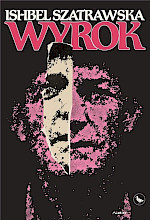
Вирок
Translated from
Polish
to
Ukrainian
by Julia Stakhivska
Written in Polish by Ishbel Szatrawska
7 minutes read
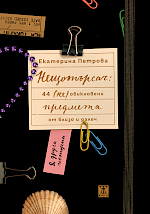
Сваштоловац: 44 (не)обична предмета из близине и даљине
Као што је истакнуто у њеном поднаслову, књига Сваштоловац садржи приче о 44 необична предмета из близине и даљине. Радознали и разнолик избор, тематски распоређен, обухвата изненађујућа открића из целог света: чизме из Бутана, плочице из Барселоне по дизајну Гаудија, чаше за вино из Баскије, брош у облику срца из Сарајева, еспадриле са Пиринеја, скарабеји из старог Египта, канту за отпатке из Њујорка, комад наранџасте тканине са „Плутајућих пристаништа“ у језеру Изео, словеначког змаја, мапу Источног Берлина и још много тога. Причајући приче о конкретним предметима, Екатерина Петрова заправо говори и о местима из којих потичу – Дрвенграду и Катмандуу, Љубљани и Луизијани, Белведеру и Билбау, Селчуку и Централ парку – а истовремено их ставља у шири лингвистички, културни, историјски, антрополошки или географски контекст. Инвентивна мешавина путописа, есеја и кратких прича, текстови су пажљиво истражени и зачињени занимљивим чињеницама, али преломљени кроз субјективни поглед ауторке, као и кроз њену личну биографију као путника, преводиоца и сваштоловца. Уметнички трансформисан естетским оком Љубе Халеве, једне од најистакнутијих савремених бугарских илустратора, изглед књиге на диван и духовит начин хвата дух и расположење прича. На тај начин сама књига постаје леп, пријатан и радостан предмет - за читање и анализирање, за поседовање и поклон.
Translated from
Bulgarian
to
Serbian
by Nikolina Đorđević
Written in Bulgarian by Ekaterina Petrova
8 minutes read
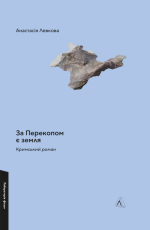
Bilo je nekoč na Krimu
Translated from
Ukrainian
to
Slovenian
by Rina Pleteršek
Written in Ukrainian by Anastasia Levkova
9 minutes read
Konec
Translated from
Polish
to
Slovenian
by Sara Hočevar Mucić
Written in Polish by Marta Hermanowicz
13 minutes read
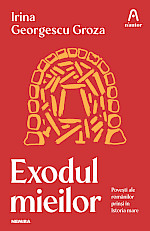
Exodul mieilor (The Exodus of The Lambs)
Ficțiunea istorică „Exodul mieilor” pornește de la urmările masacrului comis asupra unei comunități din vestul României, imediat după semnarea Dictatului de la Viena, în anul 1940. Începutul celui de-Al Doilea Război Mondial îi găsește pe Domnica și pe frații Romi și Miculuș la castelul familiei Teleki, acolo unde muncesc ca servitori. Imediat ce află că satul lor a fost atacat, ei pornesc la drum pentru a-și salva mama. Doar că singura cale de scăpare de trupele horthyste înarmate este rețeaua de tuneluri subterane săpate între cetățile Transilvaniei (la începutul cărții există o hartă a acestei rețele), în care refugiații români își caută familiile și calea spre libertate. În Subtărâm au loc confruntări de tot felul, pentru că nu toate galeriile au fost finalizate, proviziile din cămări lipsesc, iar o iscoadă trimisă de maghiari strecoară la interior un sac cu dinamită. În paralel cu drama refugiaților se împletește și povestea de dragoste dintre Romi și Domnica, care se rătăcesc unul de celălalt. Domnica rămâne ostatică într-un cătun locuit de un grup de spioni ruși, în timp ce Romi e urmărit de fiul contelui Teleki și de soldații acestuia.
„Exodul mieilor” nu este doar o poveste alertă despre drumuri și hotare, ci și genul de roman care deschide dialoguri pe teme precum exilul, memoria colectivă și drepturile femeilor, îndemnându-ne la final să ne întrebăm: ce preț suntem dispuși să plătim pentru libertate și ce moștenire alegem să lăsăm generațiilor viitoare?
Written in Romanian by Irina Georgescu Groza
11 minutes read
Po kolejích
Translated from
Bulgarian
to
Czech
by Jitka Zárubová
Written in Bulgarian by Nevena Mitropolitska
9 minutes read
Krimski roman
Translated from
Ukrainian
to
Serbian
by Dragana Vasilijević-Valent
Written in Ukrainian by Anastasia Levkova
8 minutes read
Nekoliko meseci kasnije
Translated from
Slovenian
to
Serbian
by Jelena Dedeić
Written in Slovenian by Andraž Rožman
9 minutes read
Bajo el cielo de Crimea
Translated from
Ukrainian
to
Spanish
by Alina Petryk
Written in Ukrainian by Anastasia Levkova
9 minutes read
Iskar: 44 (ne)navadnih predmetov od blizu in daleč
Kot namiguje podnaslov, knjiga Iskar vsebuje zgodbe o 44 predmetih od blizu in daleč. Radovedna in raznolika zbirka, urejena po tematikah, vključuje presenetljive najdbe z vsega sveta: škornje iz Butana, tlakovce z Gaudijevim vzorcem iz Barcelone, kozarce za vino iz Baskije, broško v obliki srca iz Sarajeva, espadrile iz Pirenejev, skarabeje iz starega Egipta, škatlo smeti iz New Yorka, kos oranžne tkanine s plavajočih pomolov na jezeru Iseo, slovenskega rjovečega zmaja, zemljevid vzhodnega Berlina in še mnogo več.
Ko Ekaterina Petrova pripoveduje zgodbe o teh predmetih, pravzaprav pripoveduje tudi o krajih, od koder prihajajo – Kustendorf in Katmandu, Ljubljana in Louisiana, Belvedere in Bilbao, Selçuk in Centralni park –, ter jih umešča v širši jezikovni, kulturni, zgodovinski, antropološki ali geografski kontekst. Umetelna mešanica potopisov, esejev in zgodb je skrbno raziskana in podkrepljena z zanimivimi dejstvi, vendar prežeta s subjektivnim pogledom avtorice in njeno osebno biografijo popotnice, prevajalke in iskarke.
Oblikovanje in podoba knjige, ki jo je ustvarila Ljuba Haleva, ena najvidnejših sodobnih bolgarskih ilustratork, dobro in s smislom za humor pričara duh zgodb. Tako tudi sama knjiga postane čudovit predmet, ki prinaša užitek in veselje – za branje in ponovno branje, za posedovanje in obdarovanje.
Translated from
Bulgarian
to
Slovenian
by Maja Kovač
Written in Bulgarian by Ekaterina Petrova
8 minutes read
Шукачі чогось: 44 (не)звичайні предмети зблизька і здалека
Као што је истакнуто у њеном поднаслову, књига Сваштоловац садржи приче о 44 необична предмета из близине и даљине. Радознали и разнолик избор, тематски распоређен, обухвата изненађујућа открића из целог света: чизме из Бутана, плочице из Барселоне по дизајну Гаудија, чаше за вино из Баскије, брош у облику срца из Сарајева, еспадриле са Пиринеја, скарабеји из старог Египта, канту за отпатке из Њујорка, комад наранџасте тканине са „Плутајућих пристаништа“ у језеру Изео, словеначког змаја, мапу Источног Берлина и још много тога. Причајући приче о конкретним предметима, Екатерина Петрова заправо говори и о местима из којих потичу – Дрвенграду и Катмандуу, Љубљани и Луизијани, Белведеру и Билбау, Селчуку и Централ парку – а истовремено их ставља у шири лингвистички, културни, историјски, антрополошки или географски контекст. Инвентивна мешавина путописа, есеја и кратких прича, текстови су пажљиво истражени и зачињени занимљивим чињеницама, али преломљени кроз субјективни поглед ауторке, као и кроз њену личну биографију као путника, преводиоца и сваштоловца. Уметнички трансформисан естетским оком Љубе Халеве, једне од најистакнутијих савремених бугарских илустратора, изглед књиге на диван и духовит начин хвата дух и расположење прича. На тај начин и сама књига постаје леп, пријатан и радостан предмет – за читање и читање, за поседовање и за поклон.
Translated from
Bulgarian
to
Ukrainian
by Khrystia Vengryniuk
Written in Bulgarian by Ekaterina Petrova
7 minutes read