View all filters
Clear








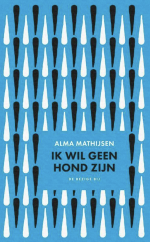
Não quero ser um cão
Translated from
Dutch
to
Portugese
by Lut Caenen
Written in Dutch by Alma Mathijsen
7 minutes read
Dicionário do Recluso
Translated from
Italian
to
Portugese
by Vasco Gato
Written in Italian by Sara Micello
7 minutes read
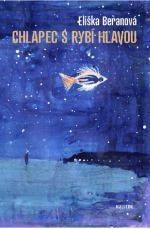
Chlapec s rybí hlavou
Chlapec s rybí hlavou je lyrickým ponorem do bezejmenného českého maloměsta, skrznaskrz šedošedého, ubíjejícího ve své každodennosti a vyčpělých ideologiích. To vše velmi ostře vnímá protagonistka příběhu, která se do svého rodiště po letech vrací, aby se rozloučila s tragicky ztraceným přítelem z dětství.
Pod zdánlivou fádností městských budov číhají temné a bytostně lidské momentky, uchopené specifickým a stylisticky výjimečným jazykem. V okolních lesích však cosi rozkvétá a pod hladinou řeky se odehrává milostný příběh 21. století, podaný bez patosu a stylizujících stereotypů.
Written in Czech by Eliška Beranová
7 minutes read
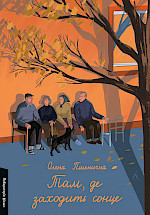
Daar waar de zon ondergaat
Translated from
Ukrainian
to
Dutch
by Roman Nesterenco
Written in Ukrainian by Olena Pshenychna
10 minutes read
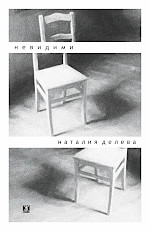
Invisibili
Un romanzo sulle persone alla periferia della società che afferra alla gola.
Georgi Gospodinov, autore di Fisica della malinconia e Cronorifugio
In pochi sono capaci di ricreare senza un grammo di pretenziosità la vita di chi è passato per gli orfanotrofi, tanto più durante la transizione; i destini che ne sono conseguiti. In effetti, più in generale, ognuno di noi è un bambino abbandonato, ma quelli di cui racconta l’autrice sono davvero invisibili sulla cartografia sociale. Natalia Deleva toglie dai loro volti tutti i cliché con i quali li abbiamo imbruttiti. Un libro difficile, importante, davvero importante.
Marin Bodakov, dalla rivista Kultura
La voce narrante di Invisibili raccoglie estratti di articoli di giornale, ascolta la propria voce (interiore), le storie delle persone che incontra lungo il suo percorso, guarda nel passato, confronta traumi e, trascinando il lettore fuori dalla propria zona di comfort, pone importanti domande sul nostro mondo, sulla vita in esilio, sulle persone che sono escluse, abbandonate, senzatetto. Un bellissimo libro, emozionante e intessuto con grande cura del dettaglio.
Wioletta Greg, autrice di Swallowing Mercury
Translated from
Bulgarian
to
Italian
by Giorgia Spadoni
Written in Bulgarian by Nataliya Deleva
12 minutes read
Nekoliko meseci kasnije
Translated from
Slovenian
to
Serbian
by Jelena Dedeić
Written in Slovenian by Andraž Rožman
9 minutes read
Invisibles
«Invisibles» es una novela sobre la intolerancia hacia quienes son diferentes, en la que los niños se inventan a sus padres. Una chica que creció en un orfanato intenta superar los traumas de su infancia. Tras una serie de rupturas, conoce a Dara, una niña abandonada en la que se reconoce a sí misma de pequeña. Se encariña con ella y decide, a toda costa, encontrar la manera de regalarle la vida que ella misma nunca tuvo. Esta es una novela sobre las personas que viven en los márgenes de la sociedad. Diferentes tramas se entrelazan para contar una historia común: la de la invisibilidad.
Translated from
Bulgarian
to
Spanish
by Marco Vidal
Written in Bulgarian by Nataliya Deleva
12 minutes read
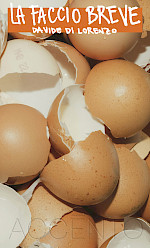
La faccio breve
Ha ventiquattro anni, è per metà napoletano e per metà ungherese, ha studiato a Bologna, vorrebbe fare il regista ed è ancora in attesa di trovare la sua strada: è questo l’identikit di partenza del protagonista di La faccio breve, il brillante esordio di Davide Di Lorenzo.
Si chiama Davide, proprio come l’autore del romanzo, e lo incontriamo per la prima volta a Budapest, città in cui è nata e cresciuta sua madre. Si è lasciato alle spalle l’Italia, gli amici, la famiglia, e nonostante la vita all’estero non gli risparmi avventure grottesche la sua quotidianità è sonnolenta e girovaga.
Una trasferta a Berlino non cambierà le cose, che inizieranno invece a movimentarsi solo con l’ammissione a una scuola di cinema e il trasferimento a Roma. Il Pigneto, le nottate a ballare (e i conseguenti rocamboleschi rientri), la stanchezza e i nuovi incontri contribuiranno a risvegliare Davide, intento ad arrovellarsi su un mistero: la comparsa insensata, ma sempre più frequente, di un uovo rotto sul pianerottolo.
Davide Di Lorenzo riesce a raccontare con fedeltà ironica la vita quotidiana di un ragazzo sulla soglia dell’età adulta, tanto nella sua dimensione domestica e malinconica quanto nelle infinite serate romane, o nelle feste alcoliche in giro per l’Europa. La faccio breve è un romanzo scanzonato e commovente, che conserva tutto il ritmo sgangherato e la freschezza dei vent’anni.
Written in Italian by Davide Di Lorenzo
10 minutes read
Unos meses más tarde
Translated from
Slovenian
to
Spanish
by Xavier Farré
Written in Slovenian by Andraž Rožman
11 minutes read
Оранжевите блокове
Translated from
Spanish
to
Bulgarian
by Ivana Peneva
Written in Spanish by Luis Díaz
8 minutes read
Very Important Person
Translated from
Slovenian
to
Dutch
by Staša Pavlović
Written in Slovenian by Andraž Rožman
11 minutes read
Eerst komt de stilte
Translated from
Romanian
to
Dutch
by Charlotte van Rooden
Written in Romanian by Ioana Maria Stăncescu
10 minutes read
Kwallen leven eeuwig totdat iemand ze vangt
Translated from
Serbian
to
Dutch
by Lena van Tijen
Written in Serbian by Nađa Petrović
12 minutes read
Dizionario del Detenuto
Written in Italian by Sara Micello
7 minutes read
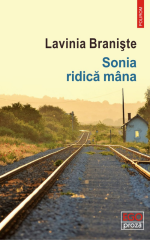
Sonja podiže ruku
Translated from
Romanian
to
Serbian
by Simona Popov
Written in Romanian by Lavinia Braniște
5 minutes read
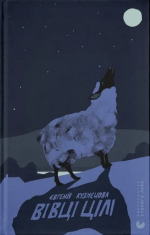
Ovce jsou celé
Translated from
Ukrainian
to
Czech
by Adéla Mikešová
Written in Ukrainian by Eugenia Kuznetsova
5 minutes read
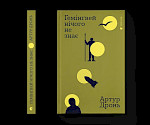
Гемінґвей нічого не знає
Ця книга короткої прози — свідчення солдата про досвід великої війни. Віра на фронті, братерство між військовими, страх і надія, смерть і Любов. Автор пропрацьовує власні травматичні спогади, але текст може стати психотерапією не лише для нього, а й для читачів. Автор говорить про себе, переповідає реальність та сни, але передовсім фіксує життя на межі. Розповідає про людей великої Любові, на яких все й тримається. Тут обʼявляється Господь Окопний, починається Найновіший Завіт, стає опорою українська культура в рюкзаку, а визнані метри воєнної літератури не витримують випробування реальністю. Їм про нас, українців, нічого не відомо. Про себе можемо говорити тільки ми, бо на Східному фронті все змінилось. І Артур Дронь говорить про це відверто і прямо. Як говорять ті, які були на межі. І повернулися.
Written in Ukrainian by Artur Dron
9 minutes read
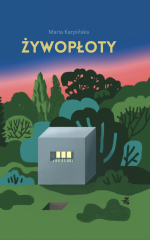
Le siepi
Translated from
Polish
to
Italian
by Paola Pappalardo
Written in Polish by Maria Karpińska
12 minutes read
Empalhar um corpo
Translated from
Dutch
to
Portugese
by Lut Caenen
Written in Dutch by Nikki Dekker
9 minutes read

Bruklin-Barakaldo
Translated from
Spanish
to
Serbian
by Irena Selaković
Written in Spanish by Antonio Lleras
8 minutes read