View all filters
Clear









Бруклін-Баракальдо
Зберігати мовчання і стати спільником? Чи звернутися до правосуддя і боятися помсти?
Матео повертається до рідного дому в Мадриді після звільнення з архітектурного бюро, в якому працював у Барселоні. Коли він випадково знаходить пістолет серед речей свого батька Хуана, він починає підозрювати, запідозрює, що той був причетний до теракту ЕТА, який стався двадцять років тому в цьому районі. Паралельно читач дізнається історію Мален, яка у 2000 році спланувала вбивство судді в тому самому районі, де мешкають Хуан і Матео, але реалізація цього плану мала неочікуваний фінал. У пошуках істини Матео розкриє приховані таємниці, які можуть безжально зруйнувати як його життя, так і життя людей, яких він любить.
На основі реального теракту, що стався двадцять п’ять років тому в Мадриді, Антоніо Льєрас у своєму першому, вражаючому романі розмірковує про спокуту та можливість змінити власне життя. А також про те, як через десятиліття після розпаду ЕТА жертви та кати намагаються відбудувати своє життя після спільного минулого, сповненого жорстокості та помсти.
Translated from
Spanish
to
Ukrainian
by Oleksandra Laktionova
Written in Spanish by Antonio Lleras
8 minutes read
Diccionario del preso
Translated from
Italian
to
Spanish
by Inés Sánchez Mesonero
Written in Italian by Sara Micello
7 minutes read
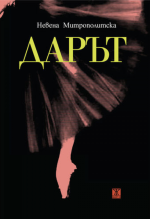
El regalo
Translated from
Bulgarian
to
Spanish
by Marco Vidal
Written in Bulgarian by Nevena Mitropolitska
10 minutes read
Kod kuće
Translated from
Dutch
to
Serbian
by Bojana Budimir
Written in Dutch by Lisa Weeda
6 minutes read
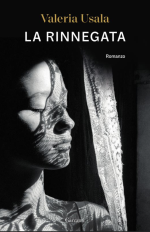
La renegada
Translated from
Italian
to
Spanish
by Camila Ramírez
Written in Italian by Valeria Usala
10 minutes read
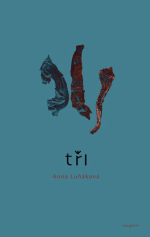
Tri!
Translated from
Czech
to
Serbian
by Jelena Đorđević
Written in Czech by Anna Luňáková
7 minutes read
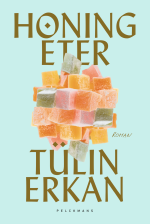
ARRIVALS / GELIȘ (Honingeter)
Sibel wacht in de luchthaven van Istanboel. Elke dag opnieuw mist ze haar vlucht naar Brussel. Ze voelt zich in de beide landen niet thuis, wil grip krijgen op de herinneringen aan haar overleden vader en haar taal herontdekken. Sibel vult de dagen met het observeren van andere passagiers en de zorg voor een speurhond.
Maar zelf wordt ze ook geobserveerd. Bewakingsagent Ömer houdt haar via zijn schermen in da gaten en beslist haar te beschermen, zoals een vader. En dan is er nog Wernicke, een piloot die niet alleen zijn job verloor, maar nu ook zijn taal en gezondheid. Alle drie leven ze illegaal in de luchthaven, met hun eigen bagage en communicatieproblemen. Een sneeuwstorm verlengt hun ongemakkelijke samenzijn, maar een afscheid is onafwendbaar.
Erkan omschrijft gevoelig hoe het is om tussen twee culturen op te groeien. Honingeter maakt bevattelijk hoe onmogelijk het is de ander echt te begrijpen en om je ergens thuis te voelen als je je moedertaal niet kunt spreken. Met poëtische metaforen toont Erkan de kwetsbaarheid van haar personages.
Tülin Erkan (1988) groeide op in Oostende bij een Franstalige moeder en een Engelstalige grootmoeder. Haar zomers bracht ze door bij haar vader in Turkije. Wanneer mensen haar als half omschrijven, voelt ze zich vooral dubbel. In haar debuut Honingeter rijgt ze taal en herinnering virtuoos aan elkaar tot een gecondenseerd geheel.
Written in Dutch by Tülin Erkan
7 minutes read
L’esilio
Translated from
Romanian
to
Italian
by Maria Alampi
Written in Romanian by Anna Kalimar
8 minutes read
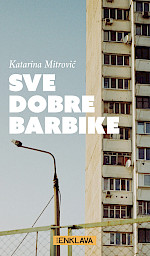
Wszystkie dobre laleczki
Wszystkie dobre laleczki to powieść o Vanji, milenialce, która kończy trzydzieści lat i uświadamia sobie, że w jej życiu nic nie wygląda tak, jak sobie wyobrażała. Nie została sławną artystką, lecz scenarzystką tanich telenoweli, nie ma dzieci, nie jest w związku, cierpi na silne stany lękowe, a jej relacje z rodziną są dalekie od idealnych. Kiedy pod drzwiami Vanji pojawia się była dziewczyna z dzieckiem, bohaterka pozwala im przez pewien czas zostać, mimo że Svetlana złamała jej serce. To skłania ją do przewartościowania swojego życia. Rozdarta między pragnieniem robienia tego, co kocha, a próbą przetrwania we współczesnym Belgradzie, Vanja dochodzi do wniosku, że musi coś zmienić. Impulsywnie podejmuje decyzje o odejściu z prac przy telenoweli. W tym samym czasie właściciel wyrzuca ją z mieszkania, by wynająć je rosyjskiemu małżeństwu, które może płacić znacznie wyższy czynsz. Svetlana odchodzi, ponownie ją porzuca. Vanja zostaje sama i nagle czuje się jak mała dziewczynka, która nie potrafi zatroszczyć się o siebie. Podczas pakowania rzeczy przypadkowo oblewa nogę wrzątkiem i doznaje poważnego oparzenia. Zaczyna się zastanawiać, czy to na pewno był wypadek? Nie wiedząc, co dalej, Vanja wraca do matki, do małego miasta niedaleko Belgradu, gdzie czeka na nią wszystko to, od czego próbowała uciec.
„Gdybym wiedział, jak pisać, pisałbym jak Katarina. Za tą żartobliwą myślą, która przemknęła mi przez głowę, kryje się w rzeczywistości mój podziw i przyjemność płynąca z czytania dzieła Katariny Mitrović oraz z prawdziwości jej słów. Katarina pisze o sobie, ale pisze też o mnie, o mojej siostrze, matce, moich przyjaciołach. Kiedy będziecie czytać tę powieść, będziecie mieli wrażenie, jakby ktoś napisał ją o was” – Vladimir Tagić.
„Szybka, ekscytująca, zabawna, obrazowa i głęboko przeżyta. Wszystkie dobre laleczki są żywe, istnieją ze złożonymi rękami, potarganymi włosami, szklanym spojrzeniem i śmieją się nam w twarz” – Anica Dobra.
Translated from
Serbian
to
Polish
by Patrycja Chajęcka
Written in Serbian by Katarina Mitrović
8 minutes read

Coridor (Peninsula)
Translated from
Dutch
to
Romanian
by Andreea Bălteanu
Written in Dutch by Lieven Stoefs
8 minutes read
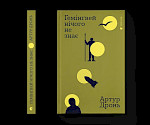
Hemingvej ne zna ništa
Ova knjiga kratke proze je svedočanstvo jednog vojnika o iskustvu velikog rata. Vera na frontu, bratstvo među vojnicima, strah i nada, smrt i Ljubav. Autor obrađuje sopstvena traumatična sećanja, ali tekst može poslužiti kao psihoterapija ne samo za njega već i za čitaoce. On govori o sebi, prepričava stvarnost i snove, ali pre svega beleži život na samoj ivici. Govori o ljudima velike Ljubavi, na kojima sve i počiva. Ovde se javlja Gospod Rovovski, započinje Najnoviji zavet, ukrajinska kultura u rancu postaje oslonac, a priznati majstori ratne književnosti ne izdržavaju ispit stvarnosti. Oni o nama, Ukrajincima, ne znaju ništa. O sebi možemo govoriti samo mi sami, jer je na Istoku svašta novo. I Artur Dronj o tome govori otvoreno i neposredno. Onako kako govore oni koji su bili na ivici. I vratili se.
Translated from
Ukrainian
to
Serbian
by Dragana Vasilijević-Valent
Written in Ukrainian by Artur Dron
10 minutes read

Живоплоти
Translated from
Polish
to
Ukrainian
by Julia Stakhivska
Written in Polish by Maria Karpińska
9 minutes read
Zatajena
Translated from
Italian
to
Slovenian
by Zarja Lampret Prešeren
Written in Italian by Valeria Usala
9 minutes read
Preparirano telo
Translated from
Dutch
to
Serbian
by Bojana Budimir
Written in Dutch by Nikki Dekker
7 minutes read

En dan opnieuw, vanaf het begin
Translated from
Serbian
to
Dutch
by Lena van Tijen
Written in Serbian by Filip Grujić
9 minutes read
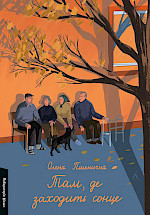
Acolo unde apune soarele
Oare s-a gândit cândva fosta profesoară de limba ucraineană în vârstă de 72 de ani, Vira Tyha, că, la bătrânețe, după o viață care nu a fost ușoară, dar a fost plină de fericire, va ajunge la azilul de bătrâni? Sigur că nu!
Cu atât mai puțin și-ar fi putut imagina că acolo o va duce singurul și mult iubitul ei fiu. Dar doamna Vira e sigură: nu va sta mult acolo. Doar e război, e vara anului 2022, fiul ei, Tolia, face voluntariat zi și noapte, nora și copiii sunt nevoiți să plece în străinătate, iar satul în care locuiesc, din regiunea Kiev, își revine după acțiuni militare și ocupație. Iar pentru ca fiul ei să nu-și facă griji, poate e într-adevăr mai bine ca ea, cu inima bolnavă, să stea momentan aici, departe de linia frontului, într-un sat mic și relativ sigur, unde războiul e doar la televizor, în compania celor de o seamă cu ea. Chiar dacă aceștia au cu mult peste 70 de ani.
Dar în loc de niște bătrânei comunicativi, Vira Tyha găsește o lume a unor moșnegi răniți, morocănoși și sarcastici, care privesc zi de zi cum viețile lor se apropie de apus.
Acolo unde apune soarele este o poveste caldă și emoționantă despre apusul vieții. E un roman care ridică teme importante și dureroase prin poveștile oamenilor și relațiile lor, în primul rând, cu propriii lor copii. Textul are un efect terapeutic, de care avem cu toții nevoie în aceste vremuri grele. Sau, cum spune însăși autoarea, e o carte-plasture pentru o inimă rănită.
Translated from
Ukrainian
to
Romanian
by Jessica Bilcec
Written in Ukrainian by Olena Pshenychna
9 minutes read

Bogomoljka
Mia ima dvadeset sedam godina i svakoga dana mora da gleda ono najgore što svet nudi: radi kao moderator sadržaja i posao joj je da cenzuriše najnasilnije snimke koji kruže internetom. Od kada je njen bivši momak nastradao od strujnog udara u kadi, ona živi u nekoj vrsti začaranog kruga nihilizma i kajanja, obamrla od posla koji obavlja i psihoaktivnih lekova, a tek povremeno je prene prijateljstvo sa Denisom i Mirijam. Njena prošlost sa Rubenom je zbirka surovih uspomena, poput onih slika koje mora da uklanja sa društvenih mreža, ali ne može da ih obriše iz sopstvenog sećanja: njegove emotivne ucene, u kojima je optužuje da ga proždire kao bogomoljka, i njen strah da ga napusti. Međutim, kada naiđe na Sofijin video, devojke koja liči na nju, a koja se baca sa mosta, Mia uspeva da se trgne i kreće njenim tragom: upoznaje njenog dečka, Lapa, muzičara u usponu, i prijateljicu Margo, eskort-damu i igračicu u noćnom klubu; oboma dopušta da je zavedu u jednom vrtlogu odraza, sve dok Mia, sa Mirijam i Margo, ne odluči da sebi pruži alternativu, koja se ogleda u sestrinskom paktu van svih okvira, a koji će uspeti da razbije oklop njenog bola. „Bogomoljka” prati put jedne mlade žene koja prkosi gubitku i samoći, pobunivši se protiv iskonskog osećaja ženske krivice kako bi zakoračila napred, ka svetlosti svoje buduće verzije.
Translated from
Italian
to
Serbian
by Ivana Lešević
Written in Italian by Cecilia Rita
8 minutes read
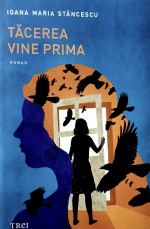
Мълчанието идва първо
Translated from
Romanian
to
Bulgarian
by Valentina Zlateva
Written in Romanian by Ioana Maria Stăncescu
8 minutes read

Piccoli peccati
Una comitiva di amici si forma a seguito di un incidente al concerto della pop star italiana Verda a Berlino, al quale la bulgara Nora sviene a causa di una dose eccessiva di psicostimolanti. Gli astanti nel palchetto – l’imprenditore greco Adrian, il fotografo svedese Johan e la coppia di israeliani Sol, terapeuta, e Lilith, artista – la aiutano. I sei entrano sempre più in confidenza e iniziano a incontrarsi in vari punti d’Europa. Ognuno di loro sembra una persona realizzata e felice, ma nel profondo porta con sé i traumi del passato. Questi traumi generano in ciascuno un “piccolo peccato”: dipendenza dall’alcol, dagli psicostimolanti, tradimento, menzogna, manipolazioni e presunzione.
Nora è attratta da Johan, mentre Adrian e Sol decidono di costruire un moderno centro retreat sull’isola di Creta. La comitiva si raduna lì in vacanza. Durante la terapia di gruppo ognuno condivide il proprio “piccolo” peccato. Lilith annuncia di aver commesso adulterio con Adrian. Scosso da quanto sentito, Sol si sottomette all’antico rituale del salto del toro, che simboleggia il tribunale divino. Il toro lo ferisce.
Tempo dopo ciascuno cerca di fare fronte alle conseguenze di quel giorno. Johan non beve più. Lilith e Adrian vivono insieme a San Francisco. Nora cura la propria dipendenza, mentre Sol è rimasto invalido. Un giorno riceve un pacco da Lilith: i suoi vecchi appunti da terapeuta, dove aveva scritto che lei è probabilmente figlia di un incesto. Ovviamente alla sessione di gruppo lei aveva mentito allo scopo di punirlo per la sua brutale valutazione. Il suo “piccolo” peccato era la menzogna, non il tradimento.
Translated from
Bulgarian
to
Italian
by Giorgia Spadoni
Written in Bulgarian by Paulina Georgieva
8 minutes read
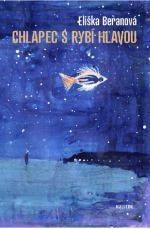
Момчето с рибята глава
Translated from
Czech
to
Bulgarian
by Katerina Stoyanova
Written in Czech by Eliška Beranová
8 minutes read