View all filters
Clear








Distorti
Translated from
Spanish
to
Italian
by Valeria Parlato
Written in Spanish by Matías Candeira
7 minutes read
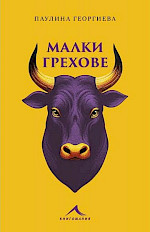
Păcate mici
Un grup de prieteni se formează în urma unui incident petrecut la un concert al divei pop italiene Verda, la Berlin, în timpul căruia bulgăroaica Nora leșină din cauza unei supradoze de psihostimulante. Cei prezenți în lojă – antreprenorul grec Adrian și fotograful suedez Johan, precum și cuplul din Israel, terapeutul Sol și artista plastică Lilith – o ajută pe suferindă. Treptat, cei șase devin apropiaţi și încep să se întâlnească în diferite locuri din Europa. Fiecare dintre ei pare o persoană de succes și fericită, dar în adâncul sufletului poartă traume din trecut. Aceste traume dau naștere la tot felul de „mici păcate” – dependență de alcool, de psihostimulante, infidelitate, minciună, manipulare și îngâmfare.
Nora se îndrăgostește de Johan, iar Adrian și Sol decid să construiască un retreat modern pe insula Creta. Grupul se reunește acolo pentru o vacanță. În timpul terapiei de grup, fiecare își mărturisește „micul” păcat. Lilith declară că a comis adulter cu Adrian. Șocat de cele auzite, Sol se supune unui ritual străvechi: săritura peste taur, care simbolizează judecata divină. Taurul îl rănește.
După o vreme, fiecare încearcă să facă față consecințelor acelei zile. Johan nu mai bea. Lilith și Adrian trăiesc împreună în San Francisco. Nora își tratează dependența, iar Sol este invalid. Într-o zi, el primește un colet de la Lilith – vechile sale notițe terapeutice. În ele scrie că Lilith este probabil rodul unui incest. Atunci înțelege că, în timpul ședinței de grup, ea a mințit pentru a-l pedepsi pentru judecata lui crudă. „Micul” ei păcat a fost minciuna, nu infidelitatea.
„Paulina Georgieva mizează pe mixul cultural, introduce personaje de naționalități diferite, fără a pierde însă firul bulgăresc, pentru că așa arată lumea contemporană, inclusiv pentru mulți bulgari. Aceasta este lumea companiilor multinaționale, a mobilității facile, dar și a așteptărilor bulgarilor de a trăi la scară macro și de a vedea acest lucru reflectat în literatura noastră.”
prof. Amelia Licheva, Portal Cultura
„Cred că Mici păcate ocupă o nișă uitată în literatura bulgară – îmbină profunzimea psihologică cu orizontul global, lansând o invitație la empatie. Personajele romanului sunt construite ca ființe vii, ample, caractere complexe, care ascund în ele zone inaccesibile, necunoscute chiar și pentru ele însele.”
conf. univ. Kamelia Spasova, Literaturen vestnik
Translated from
Bulgarian
to
Romanian
by Maria Andrei
Written in Bulgarian by Paulina Georgieva
8 minutes read
De levenden
Translated from
Spanish
to
Dutch
by Heleen Oomen
Written in Spanish by Mariana Torres
8 minutes read
Dnevi kot nenavadni simptomi
Translated from
Dutch
to
Slovenian
by Tina Jurman
Written in Dutch by Leonieke Baerwaldt
7 minutes read

Život je moj
Napisan kao kriminalistički roman, Život je moj opisuje odnose između tri žene različitog društvenog porekla: Anđele Pop, galeristkinje (i sveže majke), Grete Rot, policajke u Odeljenju za ubistva, i Karle [Razije], seksualne radnice. Pateći od postporođajne depresije, Anđela opet oseća snažnu potrebu za kontrolom, potrebu koja se, naposletku, materijalizuje u vidu izložbe koju protagonistkinja osmišljava pod naslovom „Život je moj”, posvećene njenoj ćerki Elizi i sestri Rajsi. Tu se pojavljuje Karla, koju Anđela slučajno upoznaje tokom jednog izlaska u grad, kao i bivši kolega sa fakulteta, novinar Lazar Mitrea. Međutim, Karla je kratkotrajno i ljubavnica Grete, policajke koja je zadužena za istragu sumnjive smrti Anđele Pop.
Različite narativne niti prepliću se oko sledeće dileme: da li je smrt Anđele Pop ubistvo ili samoubistvo? Ako je reč o zločinu, ko je krivac? Ima li više saučesnika? Osumnjičeni u ovom slučaju postaju svi koji su bili bliski „žrtvi”. Sumnja i napetost, kako narativna tako i ona među likovima, održavaju se do samog kraja, kada saznajemo da je Anđela Pop iskoristila sve odnose kako bi do kraja sprovela svoj plan: izložbu kao manifest. Želja za samoubistvom i znaci psihičkog klonuća lika rasuti su kroz čitav roman, ali oni ne vode direktno ka zaključku da je to bila Anđelina odluka, te se dilema ubistvo ili samoubistvo zadržava do samog kraja knjige.
Život je moj rastavlja stereotipe i predrasude vezane za porodicu, rod, seksualnost i psihičke poremećaje. Roman se, stoga, završava manifestom koji poziva na promišljanje, prihvatanje, razumevanje i empatiju.
Translated from
Romanian
to
Serbian
by Mirela Belada
Written in Romanian by Emilia Faur
7 minutes read
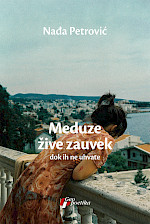
Le meduse sono immortali finché non le catturano
Sara ha appena compiuto diciannove anni e, a causa di un trauma represso del passato, sente crescere dentro di sé la paura di morire proprio a quell’età. Per questo motivo trascorre sotto l’ombra dell’ansia l’estate che dovrebbe essere la più spensierata della sua vita, quella tra la fine del liceo e l’inizio dell’università. Esce con gli amici nei club alternativi, cerca di riconciliarsi con l’ex ragazzo Viktor, beve molto e desidera essere notata da tutti, anche se in realtà è una persona introversa.
Tutto cambia dopo che, in una stanza buia di un club, Sara ha la sua prima visione, in cui il trauma del passato prende vita: si ritrova di nuovo faccia a faccia con Lara, sua cugina morta proprio a diciannove anni. Sara si sveglia la mattina seguente con un formicolio al braccio; la sensazione si diffonde e Sara scopre di avere una malattia senza nome, con cui potrà convivere normalmente ma che la accompagnerà per sempre.
Prendendolo come un primo segnale che la sua paura della morte potrebbe essere fondata, Sara inizia a dedicarsi ossessivamente all’analisi del proprio corpo come qualcosa di fragile e transitorio e, attraverso queste riflessioni, cresce rapidamente. Inizia un corso di pittura, dove incontra Tisa e Balša: entrambi eccentrici, entrambi segnati da incontri passati con la
morte e da traumi sepolti. Sara trova in Tisa un modello, mentre si innamora di Balša. Attraverso il rapporto con loro, Sara affronta il suo presente, il suo futuro e il suo passato traumatico.
Translated from
Serbian
to
Italian
by Katarina Mitić
Written in Serbian by Nađa Petrović
11 minutes read
Cizí město
Written in Czech by Anna Háblová
9 minutes read
Kalk
Written in Dutch by Lisa Weeda
8 minutes read
Modliszka
Mia ma dwadzieścia siedem lat i codziennie musi oglądać to, co na tym świecie najgorsze: pracuje jako moderatorka treści i cenzuruje najbardziej brutalne filmiki krążące w sieci. Odkąd Ruben, jej były chłopak, zginął porażony prądem w wannie, żyje w pętli nihilizmu i wyrzutów sumienia, znieczula się pracą i psychotropami, co jakiś czas ocucana przez przyjaciół, Dennisa i Miriam. Przeszłość Mii z Rubenem to archiwum wspomnień bolesnych jak te scenki, które musi usuwać z sieci. Niestety nie jest w stanie wymazać z pamięci jego szantażów emocjonalnych i oskarżeń o to, że pożera go jak modliszka, tak samo jak lęku przed rozstaniem. Ale kiedy natrafia na filmik, na którym Sofia, dziewczyna bardzo do niej podobna, rzuca się z mostu, Mia otrząsa się i postanawia podążyć jej śladami: spotyka jej chłopaka, wschodzącego muzyka o imieniu Lapo, i przyjaciółkę Margot, pracującą jako dziewczyna do towarzystwa i tancerka w nocnym klubie. Daje się uwieść obojgu, niczym w lustrzanym kalejdoskopie. Razem z Miriam i Margot wchodzi w pakt wychodzącego poza schematy siostrzeństwa, który pomoże jej rozbić skorupkę bólu. ,,Modliszka” to opowieść o samotnej, młodej kobiecie, która mierzy się ze stratą i próbuje wyzwolić się z atawistycznego poczucia winy, żeby móc wyruszyć na poszukiwanie nowej wersji siebie.
Translated from
Italian
to
Polish
by Amina Niepsuj-Wood
Written in Italian by Cecilia Rita
7 minutes read
Een lichaam opzetten
Written in Dutch by Nikki Dekker
8 minutes read
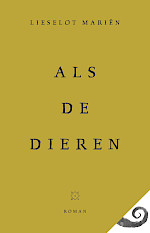
Щом животните
В „Щом животните” една жена изследва връхлитащото я след раждането на първото ѝ дете – изживяване толкова мрачно, че тя се съпротивлява на езика и смисъла. Търси опора в животинското царство, в старите митове, в снимки, имейли и дори в списъците си за пазаруване от периода около раждането. Как се превръщаш, дълго след като детето ти е дошло на този свят, в майка? И как съединяваш отново отломките от един човек, който се е разпаднал?
Разтърсващ разказ, който опипом кара читателя да се замисли. Великолепно отчаяние. — в-к „НРК ханделсблат”
Лизелот Мариен дебютира с изключително силен и нищо неподминаващ роман за майчинството. „Щом животните” е едновременно протокол от екзистенциално търсене и творба с блестяща стилистика. — в-к „Тейд”
Translated from
Dutch
to
Bulgarian
by Elena Dimitrova
Written in Dutch by Lieselot Mariën
8 minutes read
Paréntesis
Written in Spanish by Mariana Torres
7 minutes read
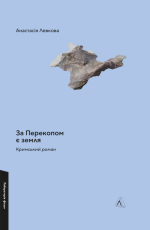
Er is nog land voorbij de Perekop
Translated from
Ukrainian
to
Dutch
by Roman Nesterenco
Written in Ukrainian by Anastasia Levkova
12 minutes read
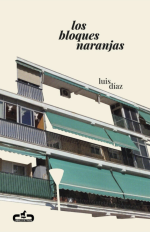
Оранжевите блокове
Translated from
Spanish
to
Bulgarian
by Ivana Peneva
Written in Spanish by Luis Díaz
8 minutes read
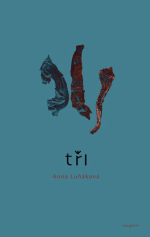
Три!
Translated from
Czech
to
Ukrainian
by Olha-Anastasiia Futoran
Written in Czech by Anna Luňáková
7 minutes read
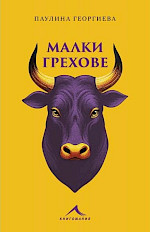
Drobné hříchy
Náhodná skupina fanoušků italské popové divy Verdy se spřátelí po incidentu na koncertě v Berlíně, kde Bulharka Nora omdlí v důsledku předávkování psychostimulanty. Všichni přítomní v lóži, řecký podnikatel Adrian, švédský fotograf Johan, pár z Izraele, terapeut Sol a umělkyně Lilith, oběti pomáhají. Celá společnost se postupně sbližuje a začíná se setkávat na různých místech Evropy. Každý z nich se zdá být úspěšným a šťastným člověkem, ale hluboko uvnitř si nese traumata z minulosti. Tato traumata rodí v každém z nich „drobný hřích“ – závislost na alkoholu, psychostimulantech, nevěru, lhaní, manipulaci a aroganci.
Nora se zamiluje do Johana a Adrian se Solem se rozhodnou vybudovat moderní retreat centrum na ostrově Kréta, kde všichni přátelé stráví společnou dovolenou. Během skupinové terapie se každý z nich podělí o svůj drobný hřích. Lilith prohlásí, že strávila noc s Adrianem. Sol, otřesen tím, co slyšel, podstoupí starověký rituál skoku přes býka, který symbolizuje Boží soud. Rituál se nezdaří a Sol je fatálně zraněn.
Postupem času se každý z nich snaží vyrovnat se škodami, které ten den způsobil. Johan přestal pít. Lilith a Adrian žijí společně v San Franciscu. Nora se zotavuje ze závislosti a Sol je invalidní. Jednoho dne dostane Lilith balíček - Solovy staré poznámky z terapie. Píše se v nich, že Lilith je pravděpodobně plodem incestu. Uvědomí si, že na skupinovém sezení lhala, aby Sola potrestala za jeho krutý úsudek. Jejím „drobným“ hříchem byla lež, ne nevěra.
Translated from
Bulgarian
to
Czech
by Jitka Zárubová
Written in Bulgarian by Paulina Georgieva
7 minutes read
Está tudo bem
Translated from
Dutch
to
Portugese
by Lut Caenen
Written in Dutch by Aya Sabi
8 minutes read
La colazione delle campionesse
Translated from
Slovenian
to
Italian
by Giorgia Maurovich
Written in Slovenian by Liu Zakrajšek
11 minutes read
Kraj
Translated from
Polish
to
Serbian
by Milica Kozić
Written in Polish by Marta Hermanowicz
12 minutes read
Животът си е мой (Viaţa e a mea)
Роман, написан под формата на детективска история, „Животът си е мой“ описва взаимоотношенията между три жени от различен социален произход: Анджела Поп, галеристка (и отскоро майка), Грета Рот, полицай в отдел „Убийства“ и Карла (Разия), секс – работничка. Докато страда от следродилна депресия, Анджела изпитва силна нужда за контрол, нужда, която в края на краищата взима формата на една инсталация, която героинята замисля с името „Животът си е мой“, посветена на дъщеря ѝ Елиза и на сестра ѝ Раиса. В плана ѝ влизат Карла, с която се срещат случайно на едно излизане в града и един бивш състудент, журналистът Лазар Митря. Карла обаче е и любимата – за кратък период от време, на Грета, полицайката, назначена да разследва съмнителната смърт на Анджела Поп.
Различните сюжетни линии се заплитат около тази дилема: смъртта на Анджела убийство или самоубийство е? Ако е престъпление, кой е виновникът? Има ли други съучастници? Заподозрени по случая стават всички близки на „жертвата“. Подозрението и напрежението, наративът между героите, се поддържат до края, когато научаваме, че Анджела Поп е използвала всички връзки, за да завърши плана си успешно: инсталация – манифест. Желанието за самоубийство и знаците за деградирала психика на героя са разпръснати през целия роман, обаче не водят до директното заключение, че това е бил изборът на Анджела, така че дилемата престъпление – самоубийство се поддържа до финала на книгата.
„Животът си е мой“ деконструира стереотипите и предубежденията, свързани със семейството, с рода, със сексуалността или с психичните смущения. Романът приключва така – с един манифест, който подканва към размисъл, приемственост, разбиране и емпатия.
Translated from
Romanian
to
Bulgarian
by Valentina Zlateva
Written in Romanian by Emilia Faur
8 minutes read