View all filters
Clear








Esmeralda
Translated from
Portugese
to
Dutch
by Finne Anthonissen
Written in Portugese by Luis Brito
7 minutes read
Sinopse
Translated from
Italian
to
Portugese
by Vasco Gato
Written in Italian by Arianna Giorgia Bonazzi
4 minutes read
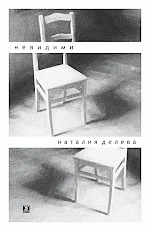
Invizibili
Invizibili este un roman despre neacceptarea celor diferiți, în care copiii își imaginează propriii părinți. O tânără care a crescut într-un orfelinat încearcă să-şi depășească traumele copilăriei. După o serie de despărțiri, o întâlnește pe Dara – o fetiță abandonată, în care se recunoaște. Se atașează de ea și decide cu orice preț să găsească o cale de a-i oferi viața pe care ea însăși nu a avut-o niciodată. Este un roman despre oamenii de la marginea societății. Diferite fire narative se împletesc pentru a spune o poveste comună: cea a invizibilității.
„Un roman despre oamenii de la marginea societății..., care te ia de gât.” Georgi Gospodinov, autorul romanelor Fizica tristeții și Refugiul timpului
„Puțini sunt cei care pot reda fără niciun fel de pretenție viața celor care au trecut printr-un orfelinat, mai ales în perioada de tranziție, și destinele lor ulterioare. De fapt, mai general spus, fiecare dintre noi este un copil abandonat, dar cei despre care povestește autoarea sunt cu adevărat invizibili pe harta socială. Natalia Deleva înlătură de pe chipurile lor toate clișeele cu care i-am pângărit. O carte dificilă, importantă, cu adevărat importantă.” Marin Bodakov, ziarul Cultura
“The narrator in Four Minutes (Invizibili) collates excerpts from news articles, listens to her own (internal) voice, to the stories of people she meets on the way, looks into the past, confronts traumas and, pulling the reader out of their comfort zone, asks important questions about our world, about life in exile, about people who are excluded, abandoned, homeless. A beautiful, intricately woven and exciting book.” Wioletta Greg, author of Swallowing Mercury
Translated from
Bulgarian
to
Romanian
by Maria Andrei
Written in Bulgarian by Nataliya Deleva
11 minutes read

Літо в Бурландії
Восьмирічний Штерн живе в Грейштадті. Його батько дипломат, а мама художниця із замкнутим характером, яка все більше занурюється в себе. Хоча прямо про це й не сказано, але читач сам одразу розуміє, що рідні Штерна розлучаються. З’являється тітка Ема (сестра близького товариша Штернового батька, молодого амбіційного полковника з армії), яка доглядатиме за хлопчиком, поки його батько у відрядженні за кордоном. Він обіцяв повернутися на день народження Штерна перед самим Різдвом, але стає зрозуміло, що дотриматися цієї обіцянки дуже складно, бо вона така ж сама складна, як політична ситуація в країні. Грейштадт підозріло нагадує Софію, але це легко міг би бути будь-якої іншою центрально- / східноєвропейською столицею. Незрозумілим залишається і час описуваних подій –– різні відсилки до 30-, 40-, кінця 80-х років, навіть теперішнього часу, розкидані в різних місцях у тексті. Це створює сноподібну атмосферу deja vu і deja vexu, викликаючи відчуття повтору історії, пам’яті і травми. Роман поєднує паралельні сюжетні лінії й алюзії до таких тем, як популізм, незаконні праворадикальні організації та небезпечний вплив соціальних мереж. Книга починається, на перший погляд, з не пов’язаних подій у Грейштадті. Біля випадкових будинків, розташованих у різних частинах міста, зникає взуття; загадковий аристократ із амбітними планами прибуває своїм дирижаблем. Його летюча резиденція продовжує ширяти над містом, втілюючи таким чином відчуття загрози і тривоги, що оселилися в повітрі. Барон має підступний план, який буде розкрито значно пізніше –– вкрасти мрії жителів Грейштадта.
«Перший роман болгарського романіста і одна з сенсацій літературного сезону, між історією дорослішання та політичною байкою».
Libération, Франція.
«Весело-моторошно-солодко-солоне повернення в дитинство одного дорослого чоловіка».
Крістін Дімітрова, письменник, Літературний вісник.
«Важко визначити, який це жанр, «Літо в Бурландії» містить елементи фентезі, історичного роману, казки, пригодницької історії з демонічним лиходієм. Саме можливість утечі –– цей світлий особистий горизонт –– робить книгу Мілана такою ніжною і легкою до читання. Хоча події відбуваються під важкою тінню дирижабля, що навис над містом, але в них немає нічого страшного чи безнадійного. Це яскравий роман гри та приборкання зла.
Юлія Роне
Translated from
Bulgarian
to
Ukrainian
by Khrystia Vengryniuk
Written in Bulgarian by Momchil Milanov
8 minutes read
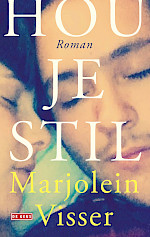
Bądź cicho
„Zaginięcie jednego z nas nie trafia do wiadomości dnia, bo to żadna wiadomość. Reszta świata o tobie nie myśli ; nie wtedy, gdy wciąga kokainę, którą przemyciłeś, nie wtedy, gdy nosi ubrania, które uszyłeś, ani nie wtedy, gdy wyrzuca cię ze swojego kraju.”
To historia Alexa, wycofanego chłopaka, który uciekł z Meksyku i odbywa staż na holenderskim uniwersytecie, próbując ocalić wszystko, co jeszcze da się ocalić. Żeby żyć, musi mówić. Żeby przetrwać- milczec.
Milcz/ Bądź cicho to poruszająca powieść o zamkniętych granicach i bezgranicznej odwadze, o sile języka oraz o niejednoznacznej granicy między sprawcami a ofiarami.
Wszystkie postacie w tej książce są fikcyjne. Fakty - nie.
Książka opiera się na wieloletnich badaniach i relacjach osób mających doświadczenie uchodźstwa lub deportacji, specjalistów prawa azylowego, wykładowców różnych (meksykańskich) uniwersytetów, psychologów traumy, działaczy na rzecz praw człowieka, dziennikarzy, osób ukrywających się oraz ofiar i sprawców przemocy karteli i gangów. Historia rzuca światło na wpływ (międzynarodowych) władz na życie jednostek, a także na przemoc związaną z narkotykami i przemoc seksualną. Ta przejmująca opowieść obnaża również złożoną relację między „krajami narkotykowymi”, takimi jak Meksyk, a Europą, kontynentem, który coraz szczelniej zamyka granice przed osobami ubiegającymi się o azyl, a jednocześnie pozostaje jednym z głównych centrów przemytu i konsumpcji kokainy.
„Mistrzowska powieść. Trochę się przy niej popłakałam. Ostra, czuła i bolesna. Mam nadzieję, że cała Holandia przeczyta tę książkę.” , Nikki Dekker (pisarka z CELA #2)
„Imponująca, fenomenalna powieść. Marjolein Visser napisała w Milcz/ Bądź cicho wstrząsającą książkę o jednym z najbardziej brutalnych systemów na świecie.”
Lex Bohlmeijer, de Correspondent
Translated from
Dutch
to
Polish
by Marta Talacha
Written in Dutch by Marjolein Visser
7 minutes read

Și din nou, de la început
Translated from
Serbian
to
Romanian
by Aleksandra Petrov
Written in Serbian by Filip Grujić
9 minutes read
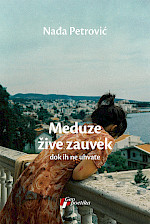
Kwallen leven eeuwig totdat iemand ze vangt
Translated from
Serbian
to
Dutch
by Lena van Tijen
Written in Serbian by Nađa Petrović
12 minutes read
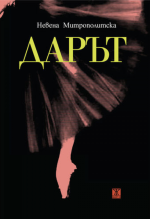
Дарът
Каква следа оставяме?
На какво сме готови, за да постигнем целта си?
Какво бихме пожертвали, за да сме в мир със себе си?
Две двойки, чиито пътища не би трябвало да се пресекат – различно социално положение, образование, среда. Общото помежду им – мечтата за дете. Тя ги изправя един срещу друг в най-важната битка в живота им.
Written in Bulgarian by Nevena Mitropolitska
9 minutes read
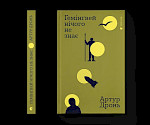
Hemingvej ne zna ništa
Ova knjiga kratke proze je svedočanstvo jednog vojnika o iskustvu velikog rata. Vera na frontu, bratstvo među vojnicima, strah i nada, smrt i Ljubav. Autor obrađuje sopstvena traumatična sećanja, ali tekst može poslužiti kao psihoterapija ne samo za njega već i za čitaoce. On govori o sebi, prepričava stvarnost i snove, ali pre svega beleži život na samoj ivici. Govori o ljudima velike Ljubavi, na kojima sve i počiva. Ovde se javlja Gospod Rovovski, započinje Najnoviji zavet, ukrajinska kultura u rancu postaje oslonac, a priznati majstori ratne književnosti ne izdržavaju ispit stvarnosti. Oni o nama, Ukrajincima, ne znaju ništa. O sebi možemo govoriti samo mi sami, jer je na Istoku svašta novo. I Artur Dronj o tome govori otvoreno i neposredno. Onako kako govore oni koji su bili na ivici. I vratili se.
Translated from
Ukrainian
to
Serbian
by Dragana Vasilijević-Valent
Written in Ukrainian by Artur Dron
10 minutes read

Життя належить мені
Роман, написаний у формі детективу, «Життя належить мені» описує взаємини між трьома жінками з різним соціальним походженням: Анґела Поп, галеристка (і молода мати), Ґрета Рот, поліцейська з відділу вбивств, та Карла [Разія], секс-працівниця. Страждаючи від післяпологової депресії, Анґела гостро відчуває потребу в контролі — потребу, яка зрештою набуває форми інсталяції, створеної головною героїнею під назвою «Життя належить мені», присвяченої її доньці Елізі та сестрі Раїсі. До її плану входить Карла, з якою вона випадково знайомиться під час одного з виходів у місто, а також колишній однокурсник, журналіст Лазар Мітря. Однак Карла також є коханою — протягом короткого часу — Ґрети, поліцейської, призначеної розслідувати підозрілу смерть Анґели Поп.
Різні сюжетні лінії переплітаються навколо цієї дилеми: чи є смерть Анґели вбивством, чи самогубством? Якщо це злочин, то хто винний? Чи є кілька співучасників? Підозрюваними у справі стають усі близькі «жертви». Підозра й напруження — як у наративі, так і між персонажами — зберігаються до самого кінця, коли ми дізнаємося, що Анґела Поп маніпулювала всіма стосунками, щоб здійснити свій задум: інсталяцію-маніфест. Бажання самогубства та ознаки психічної деградації персонажа розсіяні по всьому роману, проте вони не ведуть прямо до висновку, що саме це було вибором Анґели, тож дилема «вбивство чи самогубство» зберігається до фіналу книги.
«Життя належить мені» деконструює стереотипи й упередження, пов’язані з родиною, гендером, сексуальністю та психічними розладами. Таким чином, роман завершується маніфестом, який закликає до роздумів, прийняття, розуміння та емпатії.
Translated from
to
Ukrainian
by Paulina-Ionela Onujec
Written in by
7 minutes read
Szczęśliwe zakończenie
Translated from
Serbian
to
Polish
by Aleksandra Wojtaszek
Written in Serbian by Jasna Dimitrijević
7 minutes read
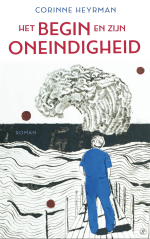
Cât de interminabil e începutul
Translated from
Dutch
to
Romanian
by Mădălina Balea
Written in Dutch by Corinne Heyrman
9 minutes read

Nu vreau să fiu un câine
Translated from
Dutch
to
Romanian
by Alexa Stoicescu
Written in Dutch by Alma Mathijsen
8 minutes read
Punto de fuga
Translated from
Dutch
to
Spanish
by Guillermo Briz
Written in Dutch by Maud Vanhauwaert
8 minutes read
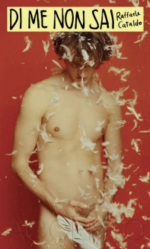
Je weet niks van mij
Translated from
Italian
to
Dutch
by Leine Meeus
Written in Italian by Raffaele Cataldo
4 minutes read

Hommeldal, of wat er is gebeurd in Strmičnik in de looptijd van een weekpasje
Translated from
Slovenian
to
Dutch
by Staša Pavlović
Written in Slovenian by Agata Tomažič
10 minutes read

Narušení děje
Literatura a život mají společného jmenovatele: příběh.
Píšou se sedmdesátá léta a William „Mole Man“ Lyttle vykope v tunelu pod svým domem větu, která nezvratně ovlivní chod světa. „Naše životy už nám nepřipadají jako příběhy.“
Protagonistkou autofikčního románu je třiatřicetiletá Emma, která se snaží porozumět svým českým kořenům, vyrovnat se se smrtí matky a najít odpovědi na otázky okolo zmizení své partnerky. Historie okolo ní neplyne, naopak se hromadí a tříští. Mezi pozůstatky se katastroficky zvedá vodní hladina a sílí požáry. Emma se jimi prodírá ve snaze poodejít od lásky, ve které se vítězí a prohrává. V jejím vyprávění docházíme na konec společně či každý po svém, příběh zůstává. Stejně jako otázka, zda vyprávění může člověku pomoci vyrovnat se s tragickými událostmi.
Written in Czech by Emma Kausc
8 minutes read
Лято в Бурландия
Осемгодишният Щерн живее в Грейщад. Баща му е дипломат, а майка му е затворена по характер художничка, която все повече се отдръпва в себе си. Без да е указано изрично, читателят отрано разбира, че родителите на Щерн се развеждат. Появява се леля Ема (сестра на близък приятел на бащата на Щерн, млад амбициозен полковник от армията), която трябва да се грижи за момчето, докато баща му е в командировка в чужбина. Той е обещал да се върне за рождения ден на Щерн точно преди Коледа, но скоро става ясно, че спазването на това обещание е много сложно, точно както политическата ситуация в страната. Грейщад подозрително напомня на София, но лесно може да бъде която и да е друга централно/източноевропейска столица. Неясно остава и кога точно се развива историята – различни препратки към 30-те, 40-те, края на 80-те или дори настоящия момент, са пръснати из повествованието. Това създава съноподобна атмосфера на déjà vu и deja vécu, предизвиквайки усещането за повторение на историята, за памет и травма. Романът смесва паралелни сюжетни линии и алюзии към теми като популизъм, паравоенни крайнодесни организации и опасните ефекти на социалните медии.
Книгата започва с няколко привидно несвързани събития в Грейщад. Обувки започват да изчезват от произволни къщи, разположени в различни части на града; мистериозен аристократ с амбициозни планове пристига с дирижабъла си. Летящата му резиденция остава заплашително да се рее над града, въплъщавайки по този начин чувството за заплаха и безпокойство, което се настанява във въздуха. Баронът има коварен план, който ще бъде разкрит много по-късно – да открадне мечтите на жителите на Грейщад.
Written in Bulgarian by Momchil Milanov
9 minutes read

Mantis
Mia tiene veintisiete años y todos los días ve lo peor del mundo: trabaja como moderadora de contenido y debe censurar los videos más violentos que circulan en línea. Desde que su exnovio Ruben murió electrocutado en la bañera, vive en un bucle de nihilismo y remordimiento, anestesiada por ese trabajo y por psicofármacos, animada solo de vez en cuando por la amistad con Dennis y Miriam. El pasado con Ruben es un archivo de recuerdos feroces, como esas imágenes que debe eliminar de la red, pero que no puede borrar de su memoria: sus chantajes emocionales, en los que la acusa de consumirlo como una mantis; y el miedo a abandonarlo. Pero, cuando se topa con el video de Sofia, una chica que se le parece y se tira de un puente, Mia se espabila y se pone tras sus pasos: encuentra a Lapo, su novio, músico en ascenso, y a Margot, su amiga, escort y bailarina en una discoteca, y se deja seducir por ellos, en un molinete de espejos. Hasta que Mia, junto con Miriam y Margot, decide buscar una alternativa, mediante un pacto de sororidad fuera de la norma que logrará romper el caparazón de su dolor.
Mantis narra el recorrido de una joven que se enfrenta a la pérdida y la soledad, rebelándose contra el atávico sentimiento de culpa femenino para lanzarse hacia adelante, hacia la luz de su yo futura.
Translated from
Italian
to
Spanish
by Camila Ramírez
Written in Italian by Cecilia Rita
9 minutes read
Lo strapiombo del bombo
Translated from
Slovenian
to
Italian
by Lucia Gaja Scuteri
Written in Slovenian by Agata Tomažič
11 minutes read