View all filters
Clear









Тихо!
Translated from
Dutch
to
Ukrainian
by Larysa Dobra
Written in Dutch by Marjolein Visser
8 minutes read
Copac monstru copil copac
Translated from
Spanish
to
Romanian
by Oana-Dana Balaş
Written in Spanish by Mariana Torres
9 minutes read
A ranhura do zangão
Translated from
Slovenian
to
Portugese
by Barbara Jursic
Written in Slovenian by Agata Tomažič
10 minutes read
Tăcerea vine prima (Silence comes first)
Tăcerea vine prima vorbeşte despre trauma unei familii contemporane şi despre blocajele de comunicare dintre mai multe generații de femei. Atunci când tăcerea se instalează într-o familie, toate comportamentele sunt creatoare de traume. Singura soluție pare să fie depășirea fricii și deschiderea rănilor.
Subiectul principal îl reprezintă relația complicată a Dorei, pe de o parte cu mama sa intruzivă și veșnic nemulțumită, pe de altă parte cu fiica adolescentă care începe să-și ceară dreptul la independență. Crescută într-o familie în care femeile și bărbații au fost dintotdeauna într-un raport de forță, copiii au acoperit goluri și dureri, fericirea personală n-a părut necesară, mamele au îmbătrânit urât, iar tații, în tăcere, Dora preferă fantasma realității. Într-un moment de curaj, ea intră într-o relație online cu Toma. Totuși, chiar și după ce ajunge la Braşov, acolo unde locuieşte bărbatul, spaima de a nu fi dezamăgită o face să se întoarcă acasă, fără ca întâlnirea să aibă loc. Când însă, Toma vine în București și o sună, Dora este nevoită să ia o decizie. Nu înainte de a rupe tăcerea şi a da cărţile pe faţă, într-o discuţie cu mama ei.
“Silence Comes First" explores the trauma within a contemporary family and the communication barriers between multiple generations of women. When silence takes root in a family, every behavior becomes a source of trauma. The only solution seems to be overcoming fear and confronting old wounds.
The central theme is on one hand Dora's complicated relationship with her intrusive and perpetually dissatisfied mother, and on the other the dynamic with her teenage daughter, who is beginning to assert her right to independence. Raised in a family where women and men were always engaged in a power struggle, where children filled voids and covered up pain, Dora searches for an escape. After a childhood where personal happiness seemed unnecessary, where mothers aged poorly, and fathers remained silent, Dora prefers the fantasy over reality. In a moment of courage, she enters an online relationship with Toma. However, even after she travels to Brașov, where Toma lives, her fear of disappointment drives her to return home without meeting him. But when Toma comes to Bucharest and calls her, Dora is forced to make a decision. However, she can only do that after breaking the silence and laying all the cards on the table in a conversation with her mother.
Written in Romanian by Ioana Maria Stăncescu
9 minutes read
Acolo unde apune soarele
Oare s-a gândit cândva fosta profesoară de limba ucraineană în vârstă de 72 de ani, Vira Tyha, că, la bătrânețe, după o viață care nu a fost ușoară, dar a fost plină de fericire, va ajunge la azilul de bătrâni? Sigur că nu!
Cu atât mai puțin și-ar fi putut imagina că acolo o va duce singurul și mult iubitul ei fiu. Dar doamna Vira e sigură: nu va sta mult acolo. Doar e război, e vara anului 2022, fiul ei, Tolia, face voluntariat zi și noapte, nora și copiii sunt nevoiți să plece în străinătate, iar satul în care locuiesc, din regiunea Kiev, își revine după acțiuni militare și ocupație. Iar pentru ca fiul ei să nu-și facă griji, poate e într-adevăr mai bine ca ea, cu inima bolnavă, să stea momentan aici, departe de linia frontului, într-un sat mic și relativ sigur, unde războiul e doar la televizor, în compania celor de o seamă cu ea. Chiar dacă aceștia au cu mult peste 70 de ani.
Dar în loc de niște bătrânei comunicativi, Vira Tyha găsește o lume a unor moșnegi răniți, morocănoși și sarcastici, care privesc zi de zi cum viețile lor se apropie de apus.
Acolo unde apune soarele este o poveste caldă și emoționantă despre apusul vieții. E un roman care ridică teme importante și dureroase prin poveștile oamenilor și relațiile lor, în primul rând, cu propriii lor copii. Textul are un efect terapeutic, de care avem cu toții nevoie în aceste vremuri grele. Sau, cum spune însăși autoarea, e o carte-plasture pentru o inimă rănită.
Translated from
Ukrainian
to
Romanian
by Jessica Bilcec
Written in Ukrainian by Olena Pshenychna
9 minutes read
ONZE VADER
Written in Dutch by Lotte Lentes
7 minutes read

А тоді ще раз, із самого початку
Translated from
Serbian
to
Ukrainian
by Maksimu Andre Martynenko Shchehlov
Written in Serbian by Filip Grujić
8 minutes read
Un vuiet
Written in Romanian by Lavinia Braniște
8 minutes read
Iskreno, draga, baš me briga
Translated from
Czech
to
Serbian
by Uroš Nikolić
Written in Czech by Lucie Faulerová
7 minutes read
Renegata
Translated from
Italian
to
Romanian
by George Doru Ivan
Written in Italian by Valeria Usala
9 minutes read
Logboek van een laatste dag
Written in Dutch by Lotte Lentes
9 minutes read
Kresećka
Kresećka to powieść o Mii i jej rodzinie, którą po ogłoszeniu niepodległości przez Słowenię spotkał tzw. izbris (wymazanie). Wydarzenie to stanowi jedną z najciemniejszych kart współczesnej słoweńskiej historii: w 1992 roku ponad 25 tys. osób – głównie dawnych obywateli innych republik jugosłowiańskich – zostało bezprawnie usuniętych („wymazanych”) z rejestru stałych mieszkańców. Z dnia na dzień stracili status prawny, dokumenty i podstawowe prawa człowieka, a w rezultacie stali się niewidzialni we własnym kraju.
Powieść przedstawia towarzyszącą tej traumie ciszę – wymazanie nie pojawia się bowiem ani w rozmowach rodzinnych, ani w dyskursie społecznym. Historia Mii pozwala spojrzeć na ogłoszenie niepodległości przez Słowenię i rozpad Jugosławii ze strony innej niż znana nam z podręczników. Posługując się subtelnym humorem i zniuansowaną narracją, autorka odsłania, jak zmiany społeczne i polityczne znajdują swe odbicie w codziennym życiu jednostki.
Za sprawą Kresećki po raz pierwszy w literaturze słoweńskiej wymazanie zostało pokazane z perspektywy dziecka – dziewczynki, która na początku nie rozumie znaczenia obywatelstwa, granic i tożsamości, a dorastając, coraz bardziej uświadamia sobie, czym ć na końcu jej nazwiska różni się od słoweńskiego č.
Debiut Tiny Perić – mimo że podejmuje trudną tematykę wymazania, w przypadku której niemal każde zdanie pociąga za sobą ból – nie jest przepełniony goryczą. Biurokratyczna decyzja, określana w dzieciństwie głównej bohaterki jako „problem z dokumentami”, nie tylko doprowadziła do usunięcia ojca Mii z rejestru stałych mieszkańców, uniemożliwiła mu pracę i pozbawiła go wszelkich praw, lecz w pewnym sensie wymazała go z jej życia. Na szczęście nie na stałe.
Milica Antić Gaber
Translated from
Slovenian
to
Polish
by Aleksandra Wójcik
Written in Slovenian by Tina Perić
7 minutes read

Lato w Burlandii
Ośmioletni Stern mieszka w Graystadzie. Jego ojciec jest dyplomatą, a matka powściągliwą artystką, która coraz bardziej zamyka się w sobie. Choć nie zostaje to powiedziane wprost, czytelnik wcześnie zdaje sobie sprawę, że rodzice Sterna są w trakcie rozwodu. Pojawia się Ciotka Emma (siostra bliskiego przyjaciela ojca Sterna, młodego i ambitnego pułkownika armii), która ma zająć się chłopcem, gdy jego ojciec jest w podróży służbowej zagranicą. Ojciec obiecał mu, że wróci na jego urodziny, chwilę przed Bożym Narodzeniem, ale dość szybko staje się jasne, że wypełnienie tej obietnicy jest równie skomplikowane, co sama sytuacja polityczna kraju. Graystadt jest podejrzanie podobny do Sofii, ale równie dobrze może być jakąkolwiek inną środkowo/wschodnioeuropejską stolicą. Niejasny pozostaje czas rozwoju akcji – narracja usiana jest licznymi odniesieniami do lat trzydziestych, czterdziestych, końca lat osiemdziesiątych, a nawet współczesności. Tworzy to onirczyną atmosferę déjà vu i deja vécu, powodując poczucie powtarzającej się historii, pamięci i traumy. Powieść łączy równoległe wątki i aluzje do takich tematów jak populizm, skrajnie prawicowe organizacje militarne czy niebezpiecznego wpływu mediów społecznościowych.
Książka rozpoczyna się od kilku pozornie niezwiązanych ze sobą wydarzeń w Graystadzie. Buty zaczynają znikać z losowych domów w różnych częściach miasta; tajemniczy arystokrata o ambitnych planach przybywa swoim sterowcem. Jego latająca rezydencja złowrogo unosi się nad miastem, ucieleśniając w ten sposób poczucie zagrożenia i niepokoju, które zakotwicza się w powietrzu. Baron wpada na podstępny plan, który zostanie ujawniony znacznie później – chce ukraść marzenia mieszkańców Graystadtu.
Translated from
Bulgarian
to
Polish
by Zofia Kręc
Written in Bulgarian by Momchil Milanov
8 minutes read
Mlčení přichází jako první
Translated from
Romanian
to
Czech
by Klára Našincová
Written in Romanian by Ioana Maria Stăncescu
8 minutes read

PŘÍLETY / GELİŞ (Medosavka)
Translated from
Dutch
to
Czech
by Klára Němcová
Written in Dutch by Tülin Erkan
6 minutes read

En als iedereen het vergeet
Translated from
Slovenian
to
Dutch
by Marieke Haenebalcke
Written in Slovenian by Selma Skenderović
9 minutes read
Sommige dingen veranderen nooit
Translated from
Portugese
to
Dutch
by Finne Anthonissen
Written in Portugese by Luis Brito
5 minutes read

Gebied 24
Translated from
Serbian
to
Dutch
by Lena van Tijen
Written in Serbian by Boris Džinić
11 minutes read
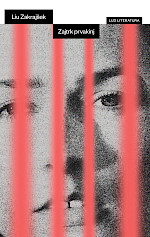
El desayuno de las campeonas
El desayuno de las campeonas es el primer libro de Liu Zakrajšek, en el cual nos sumergimos junto a la protagonista en tres diferentes puestos de trabajo para estudiantes: en una sala de cine, un centro cultural y una librería. Cuando no está en clase o trabajando, pasa el tiempo en un pequeño y agobiante cuartucho de una buhardilla que comparte con la impulsiva y caótica Vesna y la organizada y seria Pia. La dinámica entre ellas se va construyendo y derruyendo capítulo a capítulo de un modo más o menos dramático, todo ello en el marco de una amplia crisis existencial que experimentan las generaciones jóvenes que están a punto de entrar en el mercado laboral: desde la precariedad y los altos precios de la vivienda hasta una segregación de clases cada vez peor, la soledad y la delicada salud mental. Así, los jóvenes de la novela, que deberían estar pensando en sus sueños y el futuro, no pueden sino ocuparse de cómo procurarse el dinero para pagar el siguiente alquiler. El libro, que toma prestado su título de Kurt Vonnegut, es una sutil sátira de los tiempos actuales que necesitamos como el comer.
Translated from
Slovenian
to
Spanish
by David Heredero
Written in Slovenian by Liu Zakrajšek
10 minutes read
Il ponte
Translated from
Portugese
to
Italian
by Francesca Leotta
Written in Portugese by João Valente
9 minutes read