View all filters
Clear









A Change is Gonna Come
Reflect on themes of resistance, power dynamics, and the insistence on transformation for another now
Jest okej
Translated from
Dutch
to
Polish
by Ewa Dynarowicz
Written in Dutch by Aya Sabi
6 minutes read

Богомол
Translated from
Italian
to
Ukrainian
by Olena Roman
Written in Italian by Cecilia Rita
8 minutes read
De zuiveringsinstallatie
Translated from
Czech
to
Dutch
by Annette Manni
Written in Czech by Anna Háblová
11 minutes read
Kanalizacija
Translated from
Czech
to
Serbian
by Uroš Nikolić
Written in Czech by Anna Háblová
9 minutes read
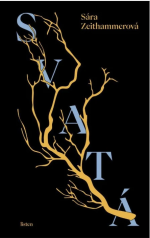
Święta
Życie owdowiałej karczmarki Aloisie staje na głowie w dniu, kiedy jej córce, Kriście, ukazuje się w lesie Matka Boska. Choć nie widział jej nikt poza Kristą, wieści o objawieniu szybko się rozchodzą i do zapomnianego zakątka kraju ściągają zastępy pielgrzymów, a zadłużona gospoda wreszcie zaczyna przynosić dochody. Krista budzi w ludziach skrajne uczucia – w jednych uwielbienie, w innych nienawiść. Sama Aloisie nie wie, po której stronie powinna stanąć. Kim jest jej córka? Oszustką czy wybranką Niebios? I czy w lesie faktycznie widuje Maryję? A może coś znacznie straszniejszego? Ta opowieść o miłości, wierze i niezłomnej woli oparta jest na prawdziwych wydarzeniach, które miały miejsce w XIX wieku na Ziemi Broumovskiej.
Translated from
Czech
to
Polish
by Paulina Zając
Written in Czech by Sára Zeithammerová
9 minutes read
Toate fiarele de pe câmp
Translated from
Spanish
to
Romanian
by Silvia Alexandra Ștefan
Written in Spanish by Adriana Murad Konings
8 minutes read
Streepjes
Translated from
Slovenian
to
Dutch
by Marieke Haenebalcke
Written in Slovenian by Tina Perić
8 minutes read
De evolutie van een kies
Written in Dutch by Alma Mathijsen
9 minutes read
Viale Zorilor: L’inizio
Translated from
Romanian
to
Italian
by Maria Alampi
Written in Romanian by Andrei Crăciun
9 minutes read
MONDOBOIA
Translated from
Serbian
to
Italian
by Sara Latorre
Written in Serbian by Ana Marija Grbic
10 minutes read
Abbiamo sempre vissuto in questo paese
Translated from
Spanish
to
Italian
by Ilaria Garelli
Written in Spanish by Aixa De la Cruz Regúlez
5 minutes read
Il raduno
Translated from
Romanian
to
Italian
by Andreaa David
Written in Romanian by Alexandru Potcoavă
9 minutes read
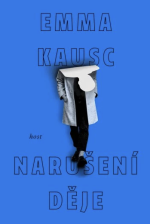
В уламках сюжету
Література й життя мають спільний знаменник: історію.
Надворі сімдесяті роки, і Вільям «Людина-Кріт» Літтл вириває в тунелі під своїм будинком фразу, яка незворотно вплине на хід світу:
«Нам уже не здається, що наші життя — це історія».
Головною героїнею автофіктивного роману є тридцятитрирічна Емма, яка намагається дослідити своє чеське коріння, змиритися зі смертю матері та знайти відповіді на запитання, пов’язані зі зникненням своєї партнерки. Довкола неї історія не плине вперед — вона згущується і розколюється. Поміж уламків катастрофічно здіймається рівень води й розростаються пожежі. Емма продирається крізь них, намагаючись піти від кохання з його перемогами й поразками. У її розповіді ми доходимо до кінця разом чи кожен сам по собі — історія ж залишається. Так само як і питання, чи може розповідь допомогти людині змиритися з трагічними подіями.
Translated from
Czech
to
Ukrainian
by Olha-Anastasiia Futoran
Written in Czech by Emma Kausc
8 minutes read
De Dageraadlaan: het begin
Translated from
Romanian
to
Dutch
by Jan Willem Bos
Written in Romanian by Andrei Crăciun
10 minutes read
Een paar maanden later
Translated from
Slovenian
to
Dutch
by Staša Pavlović
Written in Slovenian by Andraž Rožman
11 minutes read
Vse zveri z vasi
Translated from
Spanish
to
Slovenian
by Katja Petrovec
Written in Spanish by Adriana Murad Konings
8 minutes read
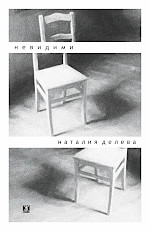
Neviditelní
Neviditelní je román o nepřijetí odlišných lidí, ve kterém děti o rodičích pouze sní. Mladá žena, která vyrostla v dětském domově, se pokouší překonat traumata z dětství. Po tom, co ztratí blízké lidi, potká Daru, opuštěnou dívku, ve které vidí samu sebe. Když se rozhodne darovat dívce život, který ona sama nikdy neměla, setkává se s dalším rozměrem své neviditelnosti. Příběhové linky románu o lidech na periferii společnosti se proplétají, aby odvyprávěly jeden společný příběh o neviditelnosti.
Translated from
Bulgarian
to
Czech
by Jitka Zárubová
Written in Bulgarian by Nataliya Deleva
10 minutes read
Ewolucja trzonowca
Translated from
Dutch
to
Polish
by Olga Niziołek
Written in Dutch by Alma Mathijsen
7 minutes read
Светица
Животът на овдовялата гостилничарка Алойзие се преобръща с главата надолу в момента, в който Дева Мария се явява на дъщеря ѝ Криста в гората. Макар освен Криста никой друг да не я е видял, вестта за явяването бързо се разнася – тълпи от хора започват да се стичат към забравения край и западналата кръчма най-сетне се замогва. Криста е в еднаква степен обожавана и ненавиждана от обкръжението си. Самата Алойзие не знае на чия страна да застане. Дъщеря ѝ лъжкиня ли е, или визионерка? И в гората действително ли се е явила Божията Майка, или нещо много по-ужасяващо? Тази история за любовта, вярата и твърдата воля стъпва върху действителни събития, разиграли се през деветнадесети век в Броумовско.
Тази колоритна история предлага всичко, което аз лично очаквам от един роман: напрежение, развити отношения между героите, динамика, но същевременно оставя достатъчно пространство да се замислите върху обществените норми, които са съпровождали ожесточената борба за еманципацията на жените. — novinky.c
Translated from
Czech
to
Slovenian
by Katerina Stoyanova
Written in Czech by Sára Zeithammerová
10 minutes read

Bintje
Palazzoni di città di provincia, anni Novanta. Bintje cresce in una famiglia lacerata. Suo padre congolese è un fanatico religioso, uno scrittore finito ai margini che non riesce a trovare lavoro e durante il giorno lavora alle sue memorie. Più si disillude, più si rifugia
nell’alcol e più diventa aggressivo in casa. Nonostante tutto, Bintje adora suo padre e cerca di riportarlo sulla retta via. Ma quando diventa chiaro che non può essere salvato, interrompe ogni contatto.
Trent’anni dopo, Bintje si ritrova nella stessa situazione. Separata e lontana da suo figlio, vive ancora negli stessi palazzi, ormai degradati, e lotta con le proprie dipendenze. Il suo lavoro di insegnante le offre un appiglio, finché anche a scuola non perde il controllo ed è costretta ad affrontare i traumi della sua infanzia.
Translated from
Dutch
to
Italian
by Matilde Soliani
Written in Dutch by Tuly Salumu
9 minutes read