View all filters
Clear








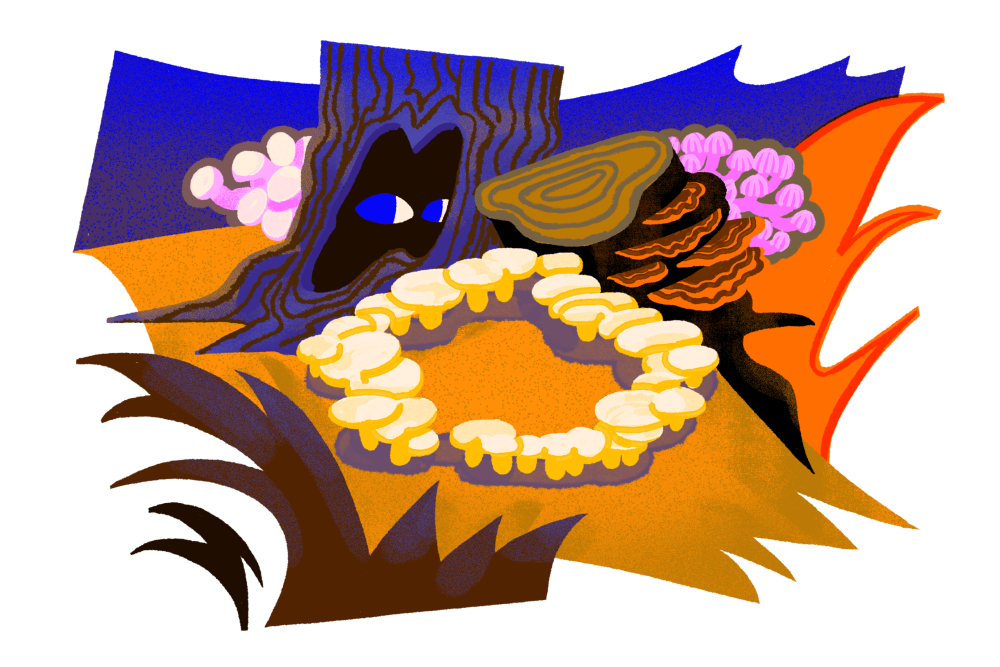
Where the Wild Things Grow
Explore our connections with ecology, rituals, the cosmos, and the pressing climate challenges of our time
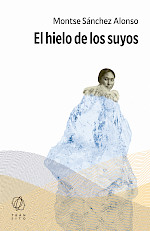
Led jejího lidu
Nacházíme se v odlehlé vesnici Nome na Aljašce, píše se rok 1921. Ada Blackjack, dívka z kmene Inupiat, se rozhodne odložit svého syna Bennetta, nakaženého tuberkulózou, do sirotčince, než přijde na způsob, jak ho uživit. Brzy si ji příležitost najde sama, a sice v podobě lodi připlouvající ze Seattlu. Plaví se na ní čtyři průzkumníci toužící po dobrodružství, plní koloniálních fantazií, a také kočka Vic. Míří na Wrangelův ostrov – poslední útočiště mamutů –, aby toto území připojili k britské konfederaci; hledají Inupiatku, která by jim během plavby vařila a šila. A tak se Ada bez ohledu na šamanova varování přidá k arktické expedici. Po několika měsících budou všichni objevitelé po smrti a Ada bude muset na Wrangelově ostrově přežít sama s Vic. Musí se proto přizpůsobit polární oblasti a znovuobjevit svou identitu inupiatské ženy, potlačenou léty kolonialismu. Při této proměně bude čelit hlubinám ledové země i svého nitra, hladu, smrti Boha, medvědu Nanukovi a možnosti, že až připluje záchranná loď, ona se do Nome nevrátí. K čemu bude záchrana syna, když ho koloniální řád nikdy nenechá najít vlastní potenciál? Bude moci být dobrou matkou, když po návratu riskuje nevolnictví? Nakonec se vrátí, aby Bennett poznal něhu a led jejího lidu.
Translated from
Spanish
to
Czech
by Markéta Cubrová
Written in Spanish by Montserrat Sánchez
7 minutes read
Elogio dell’uragano
Translated from
Spanish
to
Italian
by Ilaria Garelli
Written in Spanish by Alejandro Morellón Mariano
4 minutes read

Nočem biti pes
Translated from
Dutch
to
Slovenian
by Nika Štrovs
Written in Dutch by Alma Mathijsen
7 minutes read
Голос Суліни
Translated from
Dutch
to
Ukrainian
by Olga Bondarenko
Written in Dutch by Anneleen Van Offel
6 minutes read
Copac monstru copil copac
Translated from
Spanish
to
Romanian
by Oana-Dana Balaş
Written in Spanish by Mariana Torres
9 minutes read
Гласът на Сулина
Translated from
Dutch
to
Bulgarian
by Elissaveta Manolova Maciel
Written in Dutch by Anneleen Van Offel
7 minutes read
Non lo ero, ma ora lo sono. Sensibile a ogni variazione atmosferica.
Translated from
Serbian
to
Italian
by Sara Latorre
Written in Serbian by Marija Pavlović
9 minutes read
Sulinin glas
Translated from
Dutch
to
Serbian
by Tamara Britka
Written in Dutch by Anneleen Van Offel
7 minutes read
Thuis in het ijs
Translated from
Spanish
to
Dutch
by Lies Doms
Written in Spanish by Montserrat Sánchez
9 minutes read
Ik was het nooit, Maar ben het nu wel. Gevoelig voor elke Weersverandering.
Translated from
Serbian
to
Dutch
by Pavle Trkulja
Written in Serbian by Marija Pavlović
11 minutes read
El hielo de los suyos
Estamos en el remoto pueblo de Nome, en Alaska, y corre el año 1921. Ada Blackjack, joven iñupiat, decide dejar en un hospicio a su hijo Bennett, enfermo de tuberculosis, hasta que encuentre la forma de mantenerlo. Pronto una oportunidad le cae del cielo: un barco proveniente de Seattle. En él van cuatro exploradores con ansia de aventuras y fantasías coloniales, también la gata Vic. Se dirigen a la isla de Wrangell —el último refugio de los mamuts— para anexionar el territorio a la confederación británica; están buscando a una iñupiat que cocine y cosa para ellos durante la travesía. Así es como Ada, desoyendo los augurios del chamán, se embarca en una expedición ártica. Pocos meses después todos los exploradores habrán muerto y Ada tendrá que sobrevivir sola en Wrangell con la única compañía de Vic. Para conseguirlo deberá parecerse al Gran Norte y reapropiarse de su identidad de mujer iñupiat, aplastada por años de colonialismo. Durante su transformación se enfrentará a las profundidades del hielo y de sí misma; al hambre; a la muerte de Dios; a Nanuq, el oso; así como a la posibilidad de no volver a Nome cuando llegue el barco de rescate. ¿De qué le servirá salvar a su hijo si el orden colonial nunca le dejará florecer? ¿Podrá ser ella ser buena madre si con el regreso se arriesga a la servidumbre? Su regreso final es para que Bennett conozca la ternura y el hielo de los suyos.
«A veces hay que ir hasta el corazón del hielo para encontrar el fuego de la propia vida: una aventura colosal, íntima y universal, humana y más que humana, una oda a la descolonización y a la fuerza propia. La de una mujer. La de la Tierra misma».
GABRIELA CABEZÓN CÁMARA
«Sensacional por un montón de razones: la elección de un personaje tan significativo en el momento presente; el trabajo con los límites, las fronteras de género, clase, raza, especie; la violencia contra el cuerpo y las culturas; la delgada línea que separa la aventura y el descubrimiento, de la agresión colonialista; la relación entre conocimiento y dinero… Un libro, a la vez, clásico y extraño».
MARTA SANZ
Written in Spanish by Montserrat Sánchez
10 minutes read
Sulinin glas
Translated from
Dutch
to
Slovenian
by Lucija Janc Novak
Written in Dutch by Anneleen Van Offel
6 minutes read

Тихо!
Translated from
Dutch
to
Ukrainian
by Larysa Dobra
Written in Dutch by Marjolein Visser
8 minutes read
Ode aan de orkaan
Translated from
Spanish
to
Dutch
by Joep Harmsen
Written in Spanish by Alejandro Morellón Mariano
4 minutes read
Na ledu svojih ljudi
Translated from
Spanish
to
Slovenian
by Mojca Petaros
Written in Spanish by Montserrat Sánchez
7 minutes read
Albero mostro bambino albero
Translated from
Spanish
to
Italian
by Valeria Parlato
Written in Spanish by Mariana Torres
9 minutes read
Bestie voi tutte dei campi
Translated from
Spanish
to
Italian
by Ilaria Garelli
Written in Spanish by Adriana Murad Konings
8 minutes read
Punto de fuga
Translated from
Dutch
to
Spanish
by Guillermo Briz
Written in Dutch by Maud Vanhauwaert
8 minutes read
Hvalnica orkanu
Translated from
Spanish
to
Slovenian
by Katja Petrovec
Written in Spanish by Alejandro Morellón Mariano
3 minutes read
Vocea Sulinei
Translated from
Dutch
to
Romanian
by Andreea Bălteanu
Written in Dutch by Anneleen Van Offel
7 minutes read