View all filters
Clear








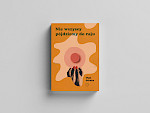
Nie wszyscy pójdziemy do raju
“Not All of Us Will Go to Paradise” is an anti-road-trip and anti-coming-of-age novel. With effortless audacity and a keen awareness of its own genre boundaries, it portrays coming out as a journey—through memory, shame, class, religion, and the body. The narrator returns to the 1990s and early 2000s: to the world of VHS tapes and 00’s music, yet this cultural veneer crumbles beneath the weight of individual experience. With remarkable acuity, Górska reconstructs the landscape of Poland's post-transformation years, when the promise of a better life shaped both public imagination and private longing. It is a meditation on language itself: on how much it makes possible, how much it withholds, how deeply it can wound, and how ecstatically it can liberate.
Górska is not writing a manifesto. She is writing about experience: sensual, painful, amusing, and shameful—and about a language that trembles, just as the body trembles.
“Not All of Us Will Go to Paradise” is a hauntological expedition into the recent past, and a brilliant narrative reminding us that stepping out of the shadows does not always mean immediate salvation.
Written in Polish by Olga Górska
6 minutes read
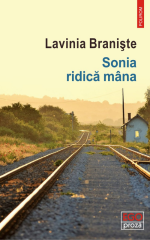
Sónia levanta a mão
Translated from
Romanian
to
Portugese
by Cristina Visan
Written in Romanian by Lavinia Braniște
5 minutes read
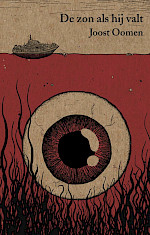
El sol cuando cae (fragmentos)
Translated from
Dutch
to
Spanish
by Irene de la Torre
Written in Dutch by Joost Oomen
9 minutes read
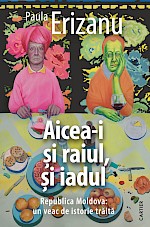
Uy, nenas (It’s Both Heaven and Hell Here. Moldova: a Century of Lived History)
Translated from
Romanian
to
Spanish
by Borja Mozo
Written in Romanian by Paula Erizanu
9 minutes read
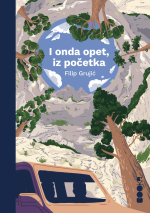
En dan opnieuw, vanaf het begin
Translated from
Serbian
to
Dutch
by Lena van Tijen
Written in Serbian by Filip Grujić
9 minutes read
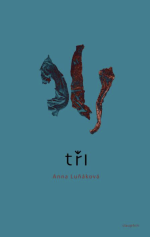
Три!
Translated from
Czech
to
Ukrainian
by Olha-Anastasiia Futoran
Written in Czech by Anna Luňáková
7 minutes read
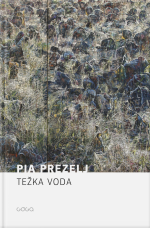
Agua pesada
Translated from
Slovenian
to
Spanish
by David Heredero
Written in Slovenian by Pia Prezelj
10 minutes read
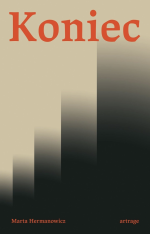
In The End (Koniec)
Metaphysical and blasphemous novel about the tragedy of war that never meets a clean end with a peace treaty. The war goes on, residing within its victims who carry it from one generation to the next.
Malwina, an exceptionally sensitive girl, experiences her grandmother’s wartime memories in her dreams. This makes her exist in two parallel realities at once: the 1940s Eastern borderlands and Siberia along the 1990s Poland. Those realities seep and bleed through one another, making Malwina a catcher of her survivor grandmother’s dreams, or perhaps a dybbuk who gives voice to the dead. To Malwina, the war persists, haunting her day and night alike. Poignant and piercing, Koniec is an impressively well-crafted prose.
Written in Polish by Marta Hermanowicz
10 minutes read
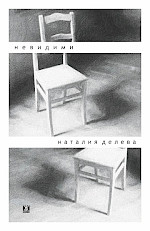
Onzichtbaar
Translated from
Bulgarian
to
Dutch
by Kieran Van Overwaele
Written in Bulgarian by Nataliya Deleva
13 minutes read

Brooklyn-Barakaldo
Să păstrezi tăcerea și să fii complice? Sau să te adresezi justiției și să îți fie frică de răzbunare?
Mateo se întoarce în casa părintească din Madrid după ce a fost concediat de la biroul de arhitectură la care lucra în Barcelona. Din întâmplare, găsește un pistol printre lucrurile lui Juan, tatăl său, și bănuiește că acesta a avut legătură cu un atentat al ETA petrecut acum douăzeci de ani în cartier. În paralel, cititorul află povestea lui Malen, care, în anul 2000, a planificat asasinarea unui judecător în același cartier, dar a cărei înfăptuire a avut un deznodământ neașteptat. Ancheta desfășurată de Mateo pentru a afla adevărul îl conduce către descoperirea unor secrete ascunse care ar putea distruge iremediabil viața sa și a celor dragi.
Bazându-se pe povestea unui atentat real petrecut acum douăzeci și cinci de ani la Madrid, Antonio Lleras abordează în primul său roman tema ispășirii, a posibilității de a-ți schimba viața și modul în care, la zeci de ani după dispariția ETA, victimele și călăii încearcă să-și reconstruiască existența după un trecut comun marcat de violență și răzbunare.
Translated from
Spanish
to
Romanian
by Ilinca Gângă
Written in Spanish by Antonio Lleras
9 minutes read

Всичката любов от една изгоряла снимка
„Всичката любов от една изгоряла снимка“ насочва прожектора към връзката между три поколения жени, които разбират света по начини, почти несъвместими един с друг.
Семейството и неговото крехко равновесие са разтърсени от внезапното хоспитализиране на най-възрастната от тях. Парализиращите страхове придобиват очертания с приближаването на неизбежната смърт. Техните защитни механизми – и най-вече начините, по които всяка паразитира в живота на другата в името на дълга и майчината любов – излизат на повърхността. Лея, която се намира по средата (на дистанцията), е тази, която улавя промените, тази, която пресява реалността (за себе си), старае се да я запише и да ѝ придаде смисъл; тази, която постоянно договаря своята идентичност в опит да открие коя остава тя извън ролите на дъщеря и майка, и да намери път към (един) пристан.
Translated from
Romanian
to
Bulgarian
by Valentina Zlateva
Written in Romanian by Maria Orban
9 minutes read
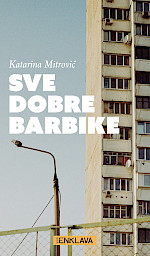
Všechny dobré barbíny
Translated from
Serbian
to
Czech
by Věra Böhmová
Written in Serbian by Katarina Mitrović
10 minutes read
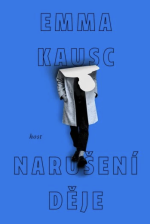
В уламках сюжету
Література й життя мають спільний знаменник: історію.
Надворі сімдесяті роки, і Вільям «Людина-Кріт» Літтл вириває в тунелі під своїм будинком фразу, яка незворотно вплине на хід світу:
«Нам уже не здається, що наші життя — це історія».
Головною героїнею автофіктивного роману є тридцятитрирічна Емма, яка намагається дослідити своє чеське коріння, змиритися зі смертю матері та знайти відповіді на запитання, пов’язані зі зникненням своєї партнерки. Довкола неї історія не плине вперед — вона згущується і розколюється. Поміж уламків катастрофічно здіймається рівень води й розростаються пожежі. Емма продирається крізь них, намагаючись піти від кохання з його перемогами й поразками. У її розповіді ми доходимо до кінця разом чи кожен сам по собі — історія ж залишається. Так само як і питання, чи може розповідь допомогти людині змиритися з трагічними подіями.
Translated from
Czech
to
Ukrainian
by Olha-Anastasiia Futoran
Written in Czech by Emma Kausc
8 minutes read
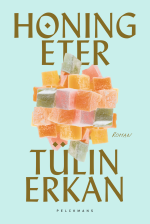
ARRIVALS / GELIȘ (Mielero)
Translated from
Dutch
to
Spanish
by Pablo Martín Sánchez
Written in Dutch by Tülin Erkan
7 minutes read
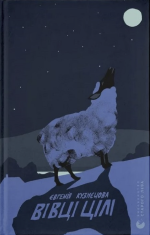
Овцете са цели
Translated from
Ukrainian
to
Bulgarian
by Dayana Gocova
Written in Ukrainian by Eugenia Kuznetsova
5 minutes read
Calcário
Translated from
Dutch
to
Portugese
by Lut Caenen
Written in Dutch by Lisa Weeda
8 minutes read
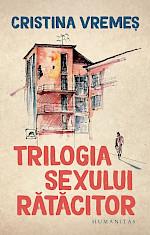
Trilogia sexului rătăcitor
Written in Romanian by Cristina Vremes
8 minutes read
Torcidos
Written in Spanish by Matías Candeira
7 minutes read
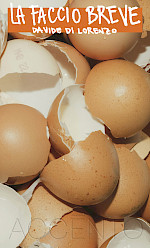
Seré breve
Tiene veinticuatro años, es mitad napolitano y mitad húngaro, estudió en Bolonia, quiere ser director y todavía está encontrando su camino: este es el identikit de partida del protagonista de Seré beve, el brillante debut de Davide Di Lorenzo.
Se llama Davide, tal y como el autor de la novela, y lo encontramos por primera vez en Budapest, ciudad en la cual nació y creció su madre. Ha dejado atrás Italia, los amigos, la familia y, aunque la vida en el extranjero no le libra de aventuras grotescas, su día a día es somnoliento y vagabundo.
Un viaje a Berlín no cambiará las cosas, que, en cambio, empezarán a moverse solo con su admisión a una escuela de cine y su traslado a Roma. El Pigneto, las noches de baile (y los consiguientes regresos rocambolescos), el cansancio y nuevos encuentros contribuirán a despertar a Davide, empeñado en darle vueltas a un misterio: la aparición sin sentido, pero cada vez más frecuente, de un huevo roto en el rellano.
Davide Di Lorenzo consigue contar con irónica fidelidad la vida cotidiana de un chico en el umbral de la edad adulta, tanto en su dimensión doméstica y melancólica como en las infinitas tardes romanas, o en las fiestas alcohólicas por toda Europa. Seré breve es una novela desenfadada y conmovedora, que conserva el ritmo desenfrenado y la frescura de los veinte años.
Translated from
Italian
to
Spanish
by Camila Ramírez
Written in Italian by Davide Di Lorenzo
10 minutes read
Konec
Translated from
Polish
to
Slovenian
by Sara Hočevar Mucić
Written in Polish by Marta Hermanowicz
13 minutes read