View all filters
Clear








O arrendamento
Translated from
Portugese
to
Serbian
by Tamina Šop
Written in Portugese by Daniela Costa
8 minutes read
Een bom in de nacht die de bergen verlicht
Translated from
Portugese
to
Dutch
by Finne Anthonissen
Written in Portugese by Daniela Costa
8 minutes read
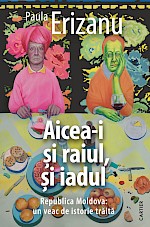
Хей, момичета (It’s Both Heaven and Hell Here. Moldova: a Century of Lived History)
Translated from
Romanian
to
Bulgarian
by Valentina Zlateva
Written in Romanian by Paula Erizanu
7 minutes read
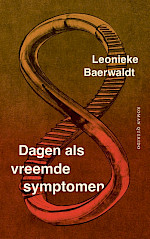
Dny jako podivné symptomy
Sisyfos bloudí peklem s prázdným invalidním vozíkem a není si úplně jistá, co tam vlastně hledá, kromě toho, že musí z denního stacionáře vyzvednout svou dceru s vícečetným postižením. Po misi, která pokaždé selže, se vrací do ošuntělého přízemního bytu prapodivné bytovky. Když se s ní dá zdánlivě zničehonic do řeči domácí, začne se Sisyfos najednou rozpomínat.
Dny jako podivné symptomy je boj s otupělostí, hledání hranic mateřství, naděje i bezradnosti, života i smrti.
Translated from
Dutch
to
Czech
by Klára Němcová
Written in Dutch by Leonieke Baerwaldt
8 minutes read

Brooklyn-Barakaldo
Milczeć i być współwinnym? Czy dochodzić sprawiedliwości i bać się zemsty?
Mateo wraca do rodzinnego domu w Madrycie, po tym jak stracił pracę w studiu architektonicznym w Barcelonie. Gdy przez przypadek znajduje w rzeczach swojego ojca Juana pistolet, zaczyna podejrzewać, że broń ma jakiś związek z zamachem terrorystycznym sprzed dwudziestu lat, dokonanym w tamtej dzielnicy przez ETA. Czytelnik równolegle poznaje historię Malen, która w 2000 roku w tej samej okolicy planowała zabójstwo pewnego sędziego, ale realizacja misji przyniosła nieoczekiwane rezultaty. Mateo docieka prawdy o przeszłości swojego ojca, co doprowadzi go do ujawnienia tajemnic, które mogą nieodwracalnie podważyć fundamenty życia jego i bliskich mu osób.
Wykorzystując prawdziwą historię zamachu sprzed dwudziestu pięciu lat, Antonio Lleras w swoim emocjonującym debiucie rozważa temat odkupienia win i nowych początków. Zastanawia się, jak lata po zakończeniu działalności przez ETA ofiary i oprawcy, którzy doświadczyli przemocy i zemsty, próbują zbudować swoje życie na nowo.
Translated from
Spanish
to
Polish
by Justyna Sterna
Written in Spanish by Antonio Lleras
8 minutes read
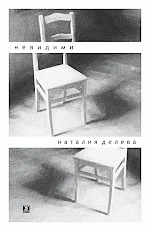
Invizibili
Invizibili este un roman despre neacceptarea celor diferiți, în care copiii își imaginează propriii părinți. O tânără care a crescut într-un orfelinat încearcă să-şi depășească traumele copilăriei. După o serie de despărțiri, o întâlnește pe Dara – o fetiță abandonată, în care se recunoaște. Se atașează de ea și decide cu orice preț să găsească o cale de a-i oferi viața pe care ea însăși nu a avut-o niciodată. Este un roman despre oamenii de la marginea societății. Diferite fire narative se împletesc pentru a spune o poveste comună: cea a invizibilității.
„Un roman despre oamenii de la marginea societății..., care te ia de gât.” Georgi Gospodinov, autorul romanelor Fizica tristeții și Refugiul timpului
„Puțini sunt cei care pot reda fără niciun fel de pretenție viața celor care au trecut printr-un orfelinat, mai ales în perioada de tranziție, și destinele lor ulterioare. De fapt, mai general spus, fiecare dintre noi este un copil abandonat, dar cei despre care povestește autoarea sunt cu adevărat invizibili pe harta socială. Natalia Deleva înlătură de pe chipurile lor toate clișeele cu care i-am pângărit. O carte dificilă, importantă, cu adevărat importantă.” Marin Bodakov, ziarul Cultura
“The narrator in Four Minutes (Invizibili) collates excerpts from news articles, listens to her own (internal) voice, to the stories of people she meets on the way, looks into the past, confronts traumas and, pulling the reader out of their comfort zone, asks important questions about our world, about life in exile, about people who are excluded, abandoned, homeless. A beautiful, intricately woven and exciting book.” Wioletta Greg, author of Swallowing Mercury
Translated from
Bulgarian
to
Romanian
by Maria Andrei
Written in Bulgarian by Nataliya Deleva
11 minutes read
Niña muerte
Translated from
Czech
to
Spanish
by Daniel Ordóñez Franco
Written in Czech by Lucie Faulerová
11 minutes read
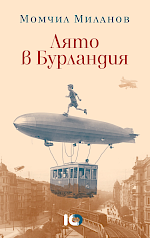
Літо в Бурландії
Восьмирічний Штерн живе в Грейштадті. Його батько дипломат, а мама художниця із замкнутим характером, яка все більше занурюється в себе. Хоча прямо про це й не сказано, але читач сам одразу розуміє, що рідні Штерна розлучаються. З’являється тітка Ема (сестра близького товариша Штернового батька, молодого амбіційного полковника з армії), яка доглядатиме за хлопчиком, поки його батько у відрядженні за кордоном. Він обіцяв повернутися на день народження Штерна перед самим Різдвом, але стає зрозуміло, що дотриматися цієї обіцянки дуже складно, бо вона така ж сама складна, як політична ситуація в країні. Грейштадт підозріло нагадує Софію, але це легко міг би бути будь-якої іншою центрально- / східноєвропейською столицею. Незрозумілим залишається і час описуваних подій –– різні відсилки до 30-, 40-, кінця 80-х років, навіть теперішнього часу, розкидані в різних місцях у тексті. Це створює сноподібну атмосферу deja vu і deja vexu, викликаючи відчуття повтору історії, пам’яті і травми. Роман поєднує паралельні сюжетні лінії й алюзії до таких тем, як популізм, незаконні праворадикальні організації та небезпечний вплив соціальних мереж. Книга починається, на перший погляд, з не пов’язаних подій у Грейштадті. Біля випадкових будинків, розташованих у різних частинах міста, зникає взуття; загадковий аристократ із амбітними планами прибуває своїм дирижаблем. Його летюча резиденція продовжує ширяти над містом, втілюючи таким чином відчуття загрози і тривоги, що оселилися в повітрі. Барон має підступний план, який буде розкрито значно пізніше –– вкрасти мрії жителів Грейштадта.
«Перший роман болгарського романіста і одна з сенсацій літературного сезону, між історією дорослішання та політичною байкою».
Libération, Франція.
«Весело-моторошно-солодко-солоне повернення в дитинство одного дорослого чоловіка».
Крістін Дімітрова, письменник, Літературний вісник.
«Важко визначити, який це жанр, «Літо в Бурландії» містить елементи фентезі, історичного роману, казки, пригодницької історії з демонічним лиходієм. Саме можливість утечі –– цей світлий особистий горизонт –– робить книгу Мілана такою ніжною і легкою до читання. Хоча події відбуваються під важкою тінню дирижабля, що навис над містом, але в них немає нічого страшного чи безнадійного. Це яскравий роман гри та приборкання зла.
Юлія Роне
Translated from
Bulgarian
to
Ukrainian
by Khrystia Vengryniuk
Written in Bulgarian by Momchil Milanov
8 minutes read
Kwallen leven eeuwig totdat iemand ze vangt
Translated from
Serbian
to
Dutch
by Lena van Tijen
Written in Serbian by Nađa Petrović
12 minutes read
Notas sobre a vida de Frances Donnel
Translated from
Spanish
to
Portugese
by Miguel Martins
Written in Spanish by Adriana Murad Konings
6 minutes read
Rodzina Miralles
Translated from
Spanish
to
Polish
by Justyna Sterna
Written in Spanish by Kike Cherta
7 minutes read
Drie!
Translated from
Czech
to
Dutch
by Lysanne Aarsman
Written in Czech by Anna Luňáková
8 minutes read
Cathedra of hoe je slagroom maakt
Written in Dutch by Joost Oomen
8 minutes read
Măi, fetelor (It’s Both Heaven and Hell Here. Moldova: a Century of Lived History)
There are few places across Europe which have had the tumultuous story of Moldova in the 20th and 21st centuries. My greatgrandmother, for instance, spent most of her life in the same village while living in four different countries: she was born in the Russian Empire, went to school in Romania, resisted collectivisation and eventually gave in during the Soviet era, and got retired in the independent Republic of Moldova. I share her story in this book, as well as stories of other people with different backgrounds I interviewed, in an effort to create a polyphonic view of Moldova’s recent history. Chronologically, the book starts with the 1903 infamous Chisinau pogrom and it ends with the 2022 refugee crisis caused by the full-scale invasion of Ukraine. Geographically, the stories are rooted in Moldova but they cover the whole world thanks to the processes of migration that characterised all of the communities described in this book — Jewish, Roma, Armenian, Moldovan, Ukrainian, Russian etc. — at different points during history.
Written in Romanian by Paula Erizanu
7 minutes read
Trei!
Translated from
Czech
to
Romanian
by Andrei Săndulescu
Written in Czech by Anna Luňáková
8 minutes read
Obletnica
Translated from
Romanian
to
Slovenian
by Lara Potočnik
Written in Romanian by Alexandru Potcoavă
8 minutes read
Лято в Бурландия
Осемгодишният Щерн живее в Грейщад. Баща му е дипломат, а майка му е затворена по характер художничка, която все повече се отдръпва в себе си. Без да е указано изрично, читателят отрано разбира, че родителите на Щерн се развеждат. Появява се леля Ема (сестра на близък приятел на бащата на Щерн, млад амбициозен полковник от армията), която трябва да се грижи за момчето, докато баща му е в командировка в чужбина. Той е обещал да се върне за рождения ден на Щерн точно преди Коледа, но скоро става ясно, че спазването на това обещание е много сложно, точно както политическата ситуация в страната. Грейщад подозрително напомня на София, но лесно може да бъде която и да е друга централно/източноевропейска столица. Неясно остава и кога точно се развива историята – различни препратки към 30-те, 40-те, края на 80-те или дори настоящия момент, са пръснати из повествованието. Това създава съноподобна атмосфера на déjà vu и deja vécu, предизвиквайки усещането за повторение на историята, за памет и травма. Романът смесва паралелни сюжетни линии и алюзии към теми като популизъм, паравоенни крайнодесни организации и опасните ефекти на социалните медии.
Книгата започва с няколко привидно несвързани събития в Грейщад. Обувки започват да изчезват от произволни къщи, разположени в различни части на града; мистериозен аристократ с амбициозни планове пристига с дирижабъла си. Летящата му резиденция остава заплашително да се рее над града, въплъщавайки по този начин чувството за заплаха и безпокойство, което се настанява във въздуха. Баронът има коварен план, който ще бъде разкрит много по-късно – да открадне мечтите на жителите на Грейщад.
Written in Bulgarian by Momchil Milanov
9 minutes read
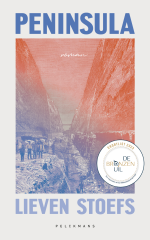
Коридор (Peninsula)
Translated from
Dutch
to
Bulgarian
by Elissaveta Manolova Maciel
Written in Dutch by Lieven Stoefs
7 minutes read
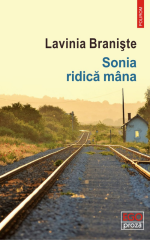
Sonja podiže ruku
Translated from
Romanian
to
Serbian
by Simona Popov
Written in Romanian by Lavinia Braniște
5 minutes read

Ptiči, ki čivkajo o prihodnosti
Translated from
Spanish
to
Slovenian
by Katja Petrovec
Written in Spanish by Alejandro Morellón Mariano
4 minutes read