View all filters
Clear








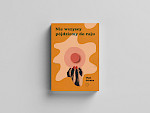
Vsi ne bomo šli v nebesa
V eni roki piksna piva, v drugi rožni venec, cigareta v ustih, na radiu Aerosmith. Tri punce, ki druga do druge nekaj čutijo, se v razpadajočem oplu vozijo čez provincialno Poljsko. Ena pripoveduje o svojem življenju: o prvi šoli, prvem prijateljstvu in prvi ljubezni. Duhološka odprava v devetdeseta in dvatisoča leta, na katero se poda pripovedovalka tega romana ceste, se izkaže za prodorno analizo razredno-spolne identitete ter poskus opisa homoerotičnega hrepenenja: spočetka povsem zatrtega s strani heternonormativne družbe, potlej izraženega skozi drobne geste in poljube, končno – javno izpovedanega med popotovanjem. Njen geografski cilj je Radom, eksistencialni pa – transgresija, afirmacija in ekstatično doživetje svobode.
V sodobni poljski literaturi je malo takih knjig kot Vsi ne bomo šli v nebesa Olge Górske. Avtorica je dosegla to, kar se je dolgo zdelo nemogoče: brezkompromisno je opisala izkušnjo odraščanja kot lezbijka na Poljskem v 90. letih prejšnjega stoletja, in to tako, da je uspela s knjigo doseči širok krog bralcev. Tri leta po zidu – kar je v današnji tržni resničnosti dolgo – je knjiga še vedno prebirana in diskutirana; in čeprav na Poljskem vsake toliko izide kakšna lezbična knjiga, ta ostaja edina, ki je lezbično izkušnjo spretno prelila v romaneskno formo. Kako ji je to uspelo? Vsi ne bomo šli v nebesa se nas dotakne s pristnimi, univerzalnimi opisi romantičnih zagat v nestanovitnih časih zgodnjega kapitalizma, ki je v 90. letih z Zahoda prihrumel na Poljsko. Pred nami razgrinja prelom 20. in 21. stoletja, a ne skozi prizmo političnih dogodkov in velikomeščanske emancipacije, temveč skozi opise vsakdana v majhnem mestu, ljudske religioznosti, pomešane s prebujajočo se seksualnostjo, in najstniške glasbene fascinacije današnjih milenijcev. Kot to zmore le najboljša književnost, pripoveduje o identiteti, brez da bi se posluževala te besede. Górska piše z izrazitim in ekspresivnim jezikom, iz srca, a hkrati s filozofsko prodornostjo. Knjiga je brez dvoma lezbična klasika. – dr. Małgorzata Tarnowska-Sikora, urednica in literarna kritičark
Translated from
Polish
to
Slovenian
by Sara Hočevar Mucić
Written in Polish by Olga Górska
6 minutes read
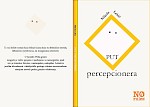
Lotosovi cvetovi koji se zatvaraju (kada se u njih uđe) (Put percepcionera)
„U ruci držite roman koji obiluje licima koja su delimično nestala, delimično (ne)stvarna, na marginama istinitosti.
U hostelu Preko granice moguće je veđto spojeno i ujedinjeno sa nemogućim, ipak sve je izuzetno životno i materijalno, neknjiško. Lekićeva jezička izbrušenost i detaljistički pristup rubnim emocionalnim stanjima navodi preko granice očekivanja.“
Written in Serbian by Nikola Lekić
6 minutes read
No den comida a los monos
Written in Spanish by Roberto Osa
7 minutes read
L'evoluzione di un dente
Translated from
Dutch
to
Italian
by Olga Amagliani
Written in Dutch by Alma Mathijsen
9 minutes read
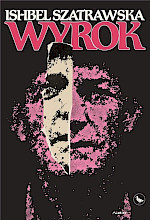
Вирок
Translated from
Polish
to
Ukrainian
by Julia Stakhivska
Written in Polish by Ishbel Szatrawska
7 minutes read
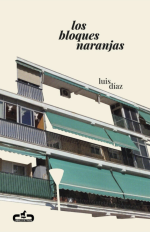
Помаранчеві блоки
Translated from
Spanish
to
Ukrainian
by Oleksandra Laktionova
Written in Spanish by Luis Díaz
7 minutes read
Oduvek smo živele u ovom selu
Translated from
Spanish
to
Serbian
by Ljubica Trošić
Written in Spanish by Aixa De la Cruz Regúlez
4 minutes read
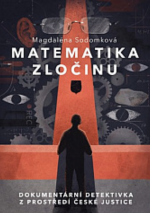
Ucieczka (Matematyka zbrodni)
Translated from
Czech
to
Polish
by Paulina Zając
Written in Czech by Magdalena Sodomková
8 minutes read
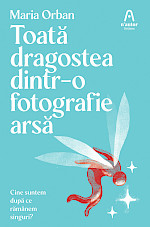
Všechna láska ze spálené fotografie
Všechna láska ze spálené fotografie cílí na vztah tří generací žen, které vnímají svět vzájemně neslučitelným způsobem. Rodina a její křehká rovnováha jsou narušeny náhlou hospitalizací nejstarší z nich. Paralyzující obavy nabývají konkrétních obrysů v blízkosti nevyhnutelné smrti. Na povrch vyplouvají jejich obranné mechanismy – hlavně způsoby, jimiž každá z nich parazituje na životě té druhé ve jménu povinnosti a mateřské lásky. Leia, která se nachází uprostřed této linie, je tou, která zaznamenává proměny, třídí realitu, snaží se ji přepsat a dát jí smysl; tou, která neustále vyjednává vlastní identitu v pokusu odhalit, kým je mimo roli dcery a matky, a nalézt cestu k bezpečnému přístavu. (Eli Bădică, editor)
Translated from
Romanian
to
Czech
by Klára Našincová
Written in Romanian by Maria Orban
8 minutes read
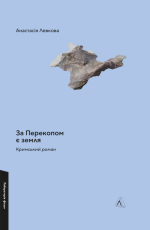
Bilo je nekoč na Krimu
Translated from
Ukrainian
to
Slovenian
by Rina Pleteršek
Written in Ukrainian by Anastasia Levkova
9 minutes read
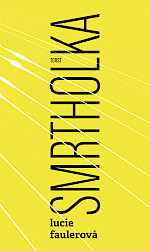
Morana
Translated from
Czech
to
Polish
by Agata Wróbel
Written in Czech by Lucie Faulerová
8 minutes read
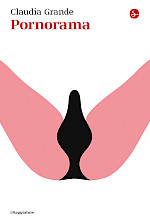
Pornorama
Ova priča je kao paučina od pokidanih niti: ako uspeš da uhvatiš jednu, ostale ti izmiču. To je priča o uznemirujućem nizu smrti u svetu pornografije između Rima, Milana i Torina, ali i priča o istrazi koju vodi glavna inspektorka Vitorija De Feo. To je priča i o tome kako su se dvoje dvadesetogodišnjaka, Bet i Teo, našli na istom tragu u potrazi za pričom koja bi oživela njihov blog, kao i priča o pokušaju jednog novinara žute štampe da napravi ekskluzivu života. Oko njihovih zamršenih potraga kreće se nadrealni hor grotesknih likova: hirurzi koji se bogate prodajući seks-igračke oblikovane po anatomiji preminulih porno zvezda, đavolji advokati koji drže pripravnike na uzici, forenzički analitičari koji pokušavaju da se probiju kao jutjuberi, bivši glumci iz dečjih emisija pali u nemilost, psihijatri koji se prerušavaju u avokado tokom seansi, brbljivi influenseri nadrogirani kokainom, ljigavi menadžeri porno glumica. Sve to prati i začinjava mešavina sintetičkih droga i ugovora o potčinjavanju, odsečenih šaka i pita s limunom, kućnih ljubimaca zečeva i treš emisija, Ikea skladišta i porno setova. Iza jasne detektivske priče raspliću se oblici jedne pornografije postojanja za koju, danas, više ne postoji ništa što bi bilo opsceno.
Translated from
Italian
to
Serbian
by Ivana Lešević
Written in Italian by Claudia Grande
9 minutes read
Meine Mutter hat Blumen gezüchtet (Pogoji niso pomembni)
Translated from
Serbian
to
Slovenian
by Natalija Milovanović
Written in Serbian by Ljiljana D. Ćuk
5 minutes read
Evolucija modrostnega zoba
Translated from
Dutch
to
Slovenian
by Nika Štrovs
Written in Dutch by Alma Mathijsen
8 minutes read
Los seres vivos
Written in Spanish by Mariana Torres
8 minutes read
Fata care aduce moartea
Translated from
Czech
to
Romanian
by Mircea Dan Duță
Written in Czech by Lucie Faulerová
11 minutes read
Jutro
Translated from
Portugese
to
Polish
by Gabriel Borowski
Written in Portugese by Patrícia Patriarca
7 minutes read
Elogio do Furacão
Translated from
Spanish
to
Portugese
by Miguel Martins
Written in Spanish by Alejandro Morellón Mariano
4 minutes read
O arrendamento
Written in Portugese by Daniela Costa
8 minutes read
Krimski roman
Translated from
Ukrainian
to
Serbian
by Dragana Vasilijević-Valent
Written in Ukrainian by Anastasia Levkova
8 minutes read