View all filters
Clear








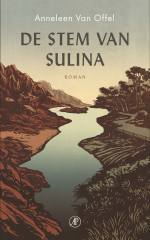
Hlas Suliny
Translated from
Dutch
to
Czech
by Klára Němcová
Written in Dutch by Anneleen Van Offel
6 minutes read

Uccelli che cantano il futuro
Translated from
Spanish
to
Italian
by Ilaria Garelli
Written in Spanish by Alejandro Morellón Mariano
5 minutes read
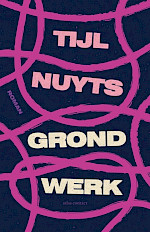
Socavones
Grondwerk (2025) [«Socavones»] explora temas como el cambio climático, la acción colectiva y el intento de conseguir un mundo habitable mediante un lenguaje poético y sensorial. La protagonista, una rata topo desnuda, es enviada en una misión desde su colonia, en el Cuerno de África, a Bruselas. Mientras espera unas órdenes que no acaban de llegar, se empieza a interesar por las peculiaridades del Homo sapiens y comienza a cavar túneles en las entrañas de la capital europea. A medida que los agujeros se expanden por toda la ciudad, socavando la infraestructura política del corazón de Europa, una amistad entablada con una activista climática florece de una manera inesperada. Grondwerk fue recibida positivamente tanto por la prensa belga como por la neerlandesa y, en 2026, recibió el premio literario Boon Literatuurprijs a la mejor obra de ficción y de no ficción.
Translated from
Dutch
to
Spanish
by Pablo Martín Sánchez
Written in Dutch by Tijl Nuyts
10 minutes read
PISK
Translated from
Polish
to
Spanish
by Joanna Ostrowska
Written in Polish by Aleksandra Lipczak
12 minutes read
Pronájem
Translated from
Portugese
to
Czech
by Štěpánka Huláková
Written in Portugese by Daniela Costa
7 minutes read
La reunión
Translated from
Romanian
to
Spanish
by Luciana Moisa
Written in Romanian by Alexandru Potcoavă
9 minutes read

Wyrok
Two scoundrels were ordered to execute a snitch. Wandering through the mountains and villages, they are hunted by their past. A dreamlike parable set in a brutal world with characters grasped by their own fear.
Written in Polish by Ishbel Szatrawska
7 minutes read
Jericó
Translated from
Italian
to
Spanish
by Inés Sánchez Mesonero
Written in Italian by Fabrizio Allione
9 minutes read
Abbiamo sempre vissuto in questo paese
Translated from
Spanish
to
Italian
by Ilaria Garelli
Written in Spanish by Aixa De la Cruz Regúlez
5 minutes read

Dani kao čudni simptomi
Translated from
Dutch
to
Serbian
by Tamara Britka
Written in Dutch by Leonieke Baerwaldt
8 minutes read
Bubblegum Blues
Translated from
Dutch
to
Spanish
by Guillermo Briz
Written in Dutch by Carmien Michels
9 minutes read
Moça-Morte
Translated from
Czech
to
Portugese
by Stepanka Lichtblau
Written in Czech by Lucie Faulerová
11 minutes read
Poslové příštích dní
Translated from
Spanish
to
Czech
by Martina Kutková
Written in Spanish by Alejandro Morellón Mariano
4 minutes read
Alle liefde op een verbrande foto
Translated from
Romanian
to
Dutch
by Charlotte van Rooden
Written in Romanian by Maria Orban
11 minutes read
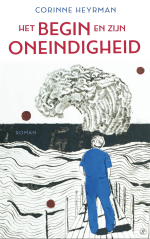
Początek i jego nieskończoność
Translated from
Dutch
to
Polish
by Anna Opara
Written in Dutch by Corinne Heyrman
8 minutes read
De stem van Sulina
Een lyrische roman over de geboorte van een moeder, zwervende zielen en de ziel van het zwerven, geschreven met de stuwende kracht van een wereldrivier.
Terwijl een donkere schaduw over de weerkaarten van Midden-Europa glijdt, reist een vrouw in een busje langs de oevers van de Donau, van de bron in het Zwarte Woud tot de monding in de Zwarte Zee. Welke stemmen stijgen op uit de rivier?
Archeologische opgravingen en eeuwenoude verhalen, confronterende vragen en dromen, lichamelijke transformaties en vergeten vrouwen geven richting aan de mentale reis van een jonge schrijfster die moeder wordt.
Written in Dutch by Anneleen Van Offel
7 minutes read
Albero mostro bambino albero
Translated from
Spanish
to
Italian
by Valeria Parlato
Written in Spanish by Mariana Torres
9 minutes read
Pochwała huraganu
Translated from
Spanish
to
Polish
by Katarzyna Górska
Written in Spanish by Alejandro Morellón Mariano
3 minutes read

Bintu
Bintu, o Bintje para su abuelo, crece en una familia desestructurada en un elevado bloque de pisos en la Bélgica de los años noventa. Su padre viene del Congo y es un fanático religioso, un escritor venido a menos que no encuentra trabajo y que dedica los días a trabajar en sus memorias. Cuanto más se desilusiona, más recurre al alcohol y más agresivo se vuelve en el hogar. A pesar de todo, Bintje lo adora e intenta guiarlo por el buen camino. Sin embargo, cuando comprende que no hay nada que pueda hacer por él, rompe todo contacto.
Treinta años después, Bintje está enferma, en la misma cama. Aún vive en aquel deteriorado bloque de apartamentos y lucha contra sus propias adicciones, separada y extrañada de su hijo. Su trabajo como profesora le da algo a lo que aferrarse, hasta que también pierde el control en clase y se ve obligada a afrontar los traumas de su infancia.
Translated from
Dutch
to
Spanish
by Pablo Martín Sánchez
Written in Dutch by Tuly Salumu
10 minutes read
Stația de epurare a apei
Translated from
Czech
to
Romanian
by Mircea Dan Duță
Written in Czech by Anna Háblová
11 minutes read