CELA About Talents News Calendar Contact Reading Room

Facebook Instagram Newsletter LinkedIn
View all filters Where the Wild Things Grow Nature Clear

Where the Wild Things Grow

Explore our connections with ecology, rituals, the cosmos, and the pressing climate challenges of our time

Automobil ze starého Řecka

Written in Czech by Ondrej Macl
8 minutes read

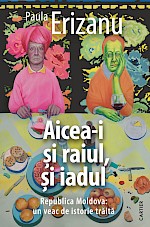
Хей, момичета (It’s Both Heaven and Hell Here. Moldova: a Century of Lived History)

Translated from Romanian to Bulgarian by Valentina Zlateva
Written in Romanian by Paula Erizanu
7 minutes read

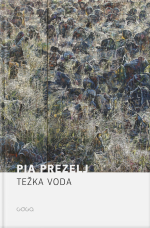
Težka voda

V svetu, ki ga naseljujejo Ida, Marta, Tone in Lojze, na vrtovih gnijejo paradižniki, na nočnih omaricah ždijo nagačeni zajci, krave pa je treba slej kot prej ustreliti med oči. Nič čudnega, če na blatni zemlji komu usodno spodrsne ali pa mu glavo spešta kakšno drevo; Gospod vendarle daje in jemlje, povrh vsega pa še odpušča. V romanu Težka voda, svojstveni anatomiji krivde, ki prelamlja s tradicijo slovenske povesti, se drobci iz življenja starejše protagonistke Ide med posledicami zamolčane preteklosti in neizživete prihodnosti postopoma sestavljajo v okrušeno celoto. Ta v ekspresivnem, dovršenem slogu razkriva predvsem bridko resnico o prepletenosti življenj znotraj manjše vaške skupnosti, kjer se vse zdi na dlani, pa vendar skrivnost rojeva nove skrivnosti.
Written in Slovenian by Pia Prezelj
9 minutes read

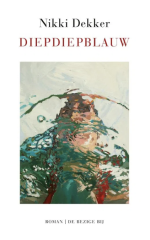
Platvis

Written in Dutch by Nikki Dekker
8 minutes read

Zwaar water

Translated from Slovenian to Dutch by Marieke Haenebalcke
Written in Slovenian by Pia Prezelj
10 minutes read

La sentencia

Dos hombres violentos reciben el encargo de eliminar a un soplón. Mientras vagan por montañas y pueblos remotos, las huellas de su pasado comienzan a cercarlos. En ese trayecto, lo real y lo onírico se entrelazan hasta borrar los límites. Una parábola inquietante ambientada en un mundo áspero, donde el miedo gobierna a los personajes y los empuja hacia su destino.
Translated from Polish to Spanish by Teresa Benítez
Written in Polish by Ishbel Szatrawska
10 minutes read

Băiatul cu cap de pește

Translated from Czech to Romanian by Andrei Săndulescu
Written in Czech by Eliška Beranová
9 minutes read

Zatajena

Translated from Italian to Slovenian by Zarja Lampret Prešeren
Written in Italian by Valeria Usala
9 minutes read

La rinnegata

A story of three generations of women, their courage and search for independence in the face of superstition and prejudice, in the spirit of Natalia Ginzburg and Elena Ferrante. In this striking debut, based on a true story, Valeria Usala bears witness to an age-old story of violence against women and takes us into the heart of rural Sardinia, where superstitions and cruelty coexist with the joys and companionship of a tight-knit community. Teresa runs a shop and a tavern. But not even the family she has created with the man she loves can protect her from the malicious gossip of jealous locals, who are threatened by her independence. Her own mother, Maria, was made an outcast, and now Teresa is in turn forsaken by the villagers. Will she pay for her success with her life? Is she like a character in Greek tragedy, whose destiny is inevitable? A story that gives voice to the forgotten women of Sardinia—and to the one of women everywhere.
Written in Italian by Valeria Usala
10 minutes read

Sve sveri Poljske

Translated from Spanish to Serbian by Ljubica Trošić
Written in Spanish by Adriana Murad Konings
7 minutes read

Ne želim da budem pas

Translated from Dutch to Serbian by Bojana Budimir
Written in Dutch by Alma Mathijsen
7 minutes read

Il ragazzo con la testa di pesce

Translated from Czech to Italian by Marco Maria Baù
Written in Czech by Eliška Beranová
9 minutes read

S pticama delim nebo

Translated from Slovenian to Serbian by Jelena Dedeić
Written in Slovenian by Agata Tomažič
8 minutes read

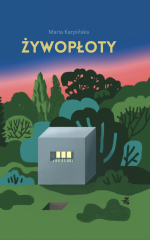
Žive meje

Translated from Polish to Slovenian by Sara Hočevar Mucić
Written in Polish by Maria Karpińska
10 minutes read

Cu păsările am în comun cerul

Translated from Slovenian to Romanian by Paula Braga Šimenc
Written in Slovenian by Agata Tomažič
9 minutes read

Uy, nenas (It’s Both Heaven and Hell Here. Moldova: a Century of Lived History)

Translated from Romanian to Spanish by Borja Mozo
Written in Romanian by Paula Erizanu
9 minutes read

No quiero ser un perro

Translated from Dutch to Spanish by Daniela Martín Hidalgo
Written in Dutch by Alma Mathijsen
8 minutes read

Platýs

Translated from Dutch to Czech by Blanka Konečná
Written in Dutch by Nikki Dekker
7 minutes read

Punto de fuga

Translated from Dutch to Spanish by Guillermo Briz
Written in Dutch by Maud Vanhauwaert
8 minutes read

Exodul mieilor (The Exodus of The Lambs)

Ficțiunea istorică „Exodul mieilor” pornește de la urmările masacrului comis asupra unei comunități din vestul României, imediat după semnarea Dictatului de la Viena, în anul 1940. Începutul celui de-Al Doilea Război Mondial îi găsește pe Domnica și pe frații Romi și Miculuș la castelul familiei Teleki, acolo unde muncesc ca servitori. Imediat ce află că satul lor a fost atacat, ei pornesc la drum pentru a-și salva mama. Doar că singura cale de scăpare de trupele horthyste înarmate este rețeaua de tuneluri subterane săpate între cetățile Transilvaniei (la începutul cărții există o hartă a acestei rețele), în care refugiații români își caută familiile și calea spre libertate. În Subtărâm au loc confruntări de tot felul, pentru că nu toate galeriile au fost finalizate, proviziile din cămări lipsesc, iar o iscoadă trimisă de maghiari strecoară la interior un sac cu dinamită. În paralel cu drama refugiaților se împletește și povestea de dragoste dintre Romi și Domnica, care se rătăcesc unul de celălalt. Domnica rămâne ostatică într-un cătun locuit de un grup de spioni ruși, în timp ce Romi e urmărit de fiul contelui Teleki și de soldații acestuia. „Exodul mieilor” nu este doar o poveste alertă despre drumuri și hotare, ci și genul de roman care deschide dialoguri pe teme precum exilul, memoria colectivă și drepturile femeilor, îndemnându-ne la final să ne întrebăm: ce preț suntem dispuși să plătim pentru libertate și ce moștenire alegem să lăsăm generațiilor viitoare?
Written in Romanian by Irina Georgescu Groza
11 minutes read
Loading...