View all filters
Clear








O nosso pai
Translated from
Dutch
to
Portugese
by Pedro Viegas
Written in Dutch by Lotte Lentes
8 minutes read
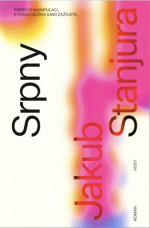
Avgusti
Kako daleč smo zavoljo druge osebe zmožni iti?
Daniela odrašča v družini, kjer jo namesto ljudi objema tesnoba. Tesnobnosti se pojavljajo z nenavadno rednim taktom – vsak avgust. Sončni dnevi za Danielo niso prijetni, temveč boleči. Ko nato na univerzi spozna Štěpána, si misli, da bo neprijetnim poletjem končno ušla. Vendar ne razume, da se takšni preteklosti ne da ubežati.
Jakub Stanjura v romanu na izviren način odpira pomembno vprašanje gaslightinga – posebne oblike manipulacije, ki pri žrtvi vzbuja dvom o lastni razumskosti, spominu in celostnem dojemanju resničnosti.
Jakub Stanjura v knjigi na prav izjemen način razkriva delovanje odnosa med manipulatorjem in njegovo žrtvijo ter odstira mehanizme, ki so žrtev privedli v patološki odnos in jo tam – vsej racionalnosti navkljub – še naprej držijo. — Petra Dvořáková, pisateljica
Zame je gaslighting nočna mora. Ideja, da nekaj doživim, nekdo drug pa me prepričuje o nasprotnem, o tem, da si izmišljujem, da se mi meša, se mi zdi grozovita. Z romanom sem želel opozoriti na takšne manipulacijske tehnike. — Jakub Stanjura, avtor
Translated from
Czech
to
Slovenian
by Aleš Belšak
Written in Czech by Jakub Stanjura
9 minutes read

De bidsprinkhaan
Translated from
Italian
to
Dutch
by Leine Meeus
Written in Italian by Cecilia Rita
10 minutes read

Бінтьє
Translated from
Dutch
to
Ukrainian
by Olga Bondarenko
Written in Dutch by Tuly Salumu
7 minutes read
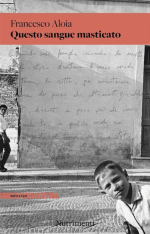
Гірка кров
Translated from
Italian
to
Ukrainian
by Olena Roman
Written in Italian by Francesco Aloia
8 minutes read
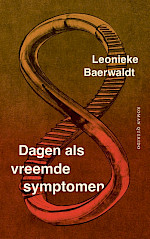
Dagen als vreemde symptomen
Sisyphus doolt door de hel met een lege rolstoel en weet niet precies wat ze daar te zoeken heeft, behalve dat ze haar dochter, die meervoudig beperkt is, moet ophalen uit het dagcentrum. Een missie die telkens mislukt, waarna ze teleurgesteld terugkeert naar de aftandse benedenwoning van een zonderling appartementencomplex. Wanneer haar hospita schijnbaar uit het niets een praatje met haar aanknoopt, begint ze zich plotseling dingen te herinneren.
Dagen als vreemde symptomen is een gevecht tegen de verveling, een zoektocht naar de grenzen van het moederschap, van hoop en radeloosheid, van leven en dood.
Written in Dutch by Leonieke Baerwaldt
9 minutes read
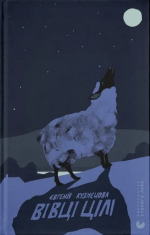
Вівці цілі
Навіть коли здається, що час застигає, а земля зупиняється, приходить зима. Сіріє небо, шелестять висохлі трави, мерехтять гірлянди під гул генераторів — більше для світла, ніж для свята. Люди живуть війну як уміють, роблять свій вибір, як можуть: відпустити чи хай там що, аби свої були цілі? Чи стане серця для любові у темну добу? У засніжених очеретах Дніпра, на спустілих вулицях, що стікаються з пагорбів до траси, у темних хатах, де поріг обсипають маком від нечисті, а душі померлих приходять за Різдвяні столи, Яна переступає через дірку в паркані і вплутується у дилеми, де немає ані правильних запитань, ані відповідей, але є Максим, непевність, любов і вівці.
Written in Ukrainian by Eugenia Kuznetsova
4 minutes read
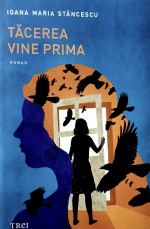
Eerst komt de stilte
Translated from
Romanian
to
Dutch
by Charlotte van Rooden
Written in Romanian by Ioana Maria Stăncescu
10 minutes read

Živý plot
Translated from
Polish
to
Czech
by Agnieszka Buchtová
Written in Polish by Maria Karpińska
10 minutes read
Žive ograde
Translated from
Polish
to
Serbian
by Milica Kozić
Written in Polish by Maria Karpińska
10 minutes read
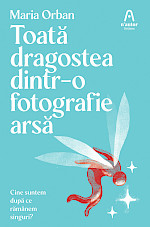
Cała miłość ze spalonej fotografii
Translated from
Romanian
to
Polish
by Aleksander Podgórny
Written in Romanian by Maria Orban
9 minutes read
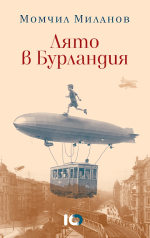
Vară în Burlandia
Ştern, un băiat de opt ani, locuiește în Greystad. Tatăl său este diplomat, iar mama sa, o artistă introvertită, se izolează tot mai mult în sine însăși. Deși nu este menționat explicit, cititorul realizează de la început că părinții lui Ştern sunt în divorţ. Își face apariția mătușa Ema (sora unui prieten apropiat al tatălui lui Ştern, un tânăr colonel ambițios din armată), care trebuie să aibă grijă de băiat cât timp tatăl său se află într-o delegație în străinătate. Acesta îi promite lui Ştern că se va întoarce pentru ziua lui de naștere, chiar înainte de Crăciun, însă curând devine clar că respectarea acestei promisiuni este foarte dificilă, la fel ca și situația politică din țară. Greystad seamănă suspect de mult cu Sofia, dar ar putea fi la fel de bine orice altă capitală din Europa Centrală sau de Est. De asemenea, rămâne neclar când anume se desfășoară povestea –pe tot parcursul narațiunii sunt presărate diverse referințe la anii ’30, ’40, sfârșitul anilor ’80 sau chiar la prezent. Acest lucru creează o atmosferă onirică de déjà vu și déjà vécu, evocând impresia că istoria memoria și trauma se repetă. Romanul împletește fire narative paralele și aluzii la teme precum populismul, organizațiile paramilitare de extremă dreaptă și efectele periculoase ale rețelelor sociale.
Cartea începe cu câteva evenimente aparent fără legătură între ele, petrecute în Greystad. În diferite case din oraș, în mod aleatoriu, încep să dispară pantofi; un aristocrat misterios, cu planuri ambițioase, sosește cu dirijabilul său. Reședința sa zburătoare rămâne să plutească amenințător deasupra orașului, întruchipând astfel sentimentul de amenințare și neliniște care se instalează în aer. Baronul are un plan viclean, care va fi dezvăluit mult mai târziu: să fure visele locuitorilor din Greystad.
„Primul roman al scriitorului bulgar este una dintre senzațiile sezonului literar, undeva între o poveste despre maturizare și o fabulă politică.”— Libération, Franța
„O întoarcere veselă-întunecată-dulce-sărată a unui adult la copilărie.”— Kristin Dimitrova, scriitoare, Ziarul literar
Dificil de definit din punct de vedere al genului, „Vară în Burlandia” conține, de fapt, elemente de fantasy, roman istoric, basm și poveste de aventuri cu un personaj negativ demonic. Tocmai posibilitatea evadării – acest orizont personal luminos – face cartea lui Milanov atât de blândă și ușor de citit. Deși acțiunea se desfășoară sub umbra apăsătoare a dirijabilului care planează deasupra orașului, nu este nimic înfricoșător sau fără speranță în ea. Este un roman strălucitor despre joacă și cum să calci în picioare răul.— Yulia Rone, Toes
Translated from
Bulgarian
to
Romanian
by Maria Andrei
Written in Bulgarian by Momchil Milanov
10 minutes read
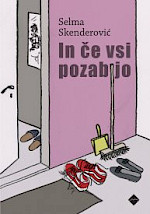
Și dacă toți vor uita
Și dacă toți vor uita o poveste despre identitate, înstrăinare și neînțelegere, este primul roman al Selmei Skenderović, laureată a Festivalului de literatură pentru tineri „Urška” 2020.
Și dacă toți vor uita este un roman al maturizării și al căutării identității, care continuă să exploreze întrebările pe care autoarea și le-a pus deja în volumul său de debut, de proză scurtă, „De ce taci, Hava?”. Povestea este o narațiune intimă, la persoana întâi, a unei studente, despre complexul de a aparține unei clase, consecințele violenței familiale, înstrăinare și probleme identitare. Cum poți trăi când ești un străin atât „aici” cât și „acasă”?
Zina este fiica unor imigranți din Kosovo, care decide să urmeze studii universitare. După ce se mută dintr-un mic orășel sloven la cămin, în Ljubljana, își caută calea între lumile care o definesc.
Pentru ea există două lumi: cea de aici, din Slovenia, și cea din Kosovo, așa cum există două lumi și între ea și părinți, între ea și „ai ei” (imigranți din alte părți) și sloveni, dar și altele două, în ea însăși. Să se distanțeze, să se îngrădească, să se apropie, să se contopească sau să se excludă? Dar cu cine, în fața cui sau de cine, când, până la urmă, toți suntem oameni. Zina e o observatoare severă a lumii din jur, a părinților, a ei înseși. Reflectează la cine este cu adevărat. Își dorește propriul spațiu, o lume în care să existe mai multe îmbrățișări decât violență. Cu cât va prelua mai puține tipare patriarhale în existența ei tot mai independentă, cu atât mai bine îi va fi. E complet conștientă de asta. Și de faptul că singur îți trasezi drumul în viață. Cel puțin din momentul în care te împotrivești manipulărilor și loviturilor care în anumite locuri încă mai sunt considerate ca fiind o educație adecvată. Zina, prin gândirea ei clară și prin analiza evenimentelor din viața ei și a rudelor din Kosovo, vorbește despre diferențele dintre oameni care se află la o distanță unii de alții de „numai” 700 de kilometri, sau de numai câțiva centimetri, în propria familie.
Translated from
Slovenian
to
Romanian
by Sergiu Lozinschi
Written in Slovenian by Selma Skenderović
8 minutes read
Een paar verdwaalde minuten
Translated from
Romanian
to
Dutch
by Charlotte van Rooden
Written in Romanian by Cristina Vremes
10 minutes read
Bintje
De rijzige appartementsblokken van de provinciestad, jaren negentig. Bintje groeit op in een verscheurd gezin. Haar Congolese vader is een fanatiek religieuze man, een aan lagerwal geraakte schrijver die geen werk vindt en overdag aan zijn memoires werkt. Hoe gedesillusioneerder hij raakt, hoe meer hij naar de fles grijpt en hoe agressiever hij thuis wordt. Desondanks adoreert Bintje haar vader en probeert ze hem op het juiste pad te houden. Als het echter duidelijk wordt dat hij niet te redden valt, verbreekt ze alle contact.
Dertig jaar later is Bintje in hetzelfde bedje ziek. Gescheiden en vervreemd van haar zoon, woont ze nog altijd in de intussen verloederde blokken en worstelt ze met haar eigen verslavingen. Haar job als leerkracht biedt enige houvast, tot ze ook op school de controle verliest en wordt gedwongen haar jeugdtrauma’s onder ogen te zien.
Written in Dutch by Tuly Salumu
9 minutes read
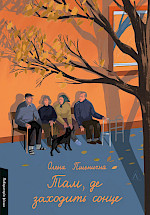
Tamo gde Sunce zalazi
Da li je bivša nastavnica ukrajinskog jezika, sedamdesetdvogodišnja Vira Tiha, ikada pomislila da će se na zalasku svog teškog, ali ipak ispunjenog i srećnog života, naći u domu za stare? Naravno da nije.
Još manje je mogla da zamisli da će je ovamo odvesti njen voljeni sin jedinac. Ali gospođa Vira je ubeđena da je ovde samo privremeno. Eto, u toku je leto 2022. godine, rat je, njen sin Tolja danonoćno volontira, snaha je s decom bila prinuđena da se evakuiše u inostranstvo, a selo u Kijevskoj oblasti u kojem su živeli tek se oporavlja posle ratnih dejstava i okupacije. A za nju je kao srčanog bolesnika, kako se njen sin ne bi brinuo, možda zaista bolje da ostane ovde, što dalje od fronta, u relativno bezbednom seocetu, gde se rat prikazuje samo na televiziji, da bude u društvu vršnjaka,. Pa makar tim vršnjacima bilo i preko sedamdeset godina.
Ali umesto komunikativnih starijih ljudi, Vira Tiha dospeva u svet ranjenih, zajedljivih, sarkastičnih matoraca koji iz dana u dan posmatraju kako im se životi kotrljaju ka svom zalasku.
„Tamo gde sunce zalazi“ je topla i potresna priča o životu na njegovom zalasku. Roman koji otvara važne i bolne teme kroz priče o ljudima i njihovima odnosima, pre svega odnosima sa decom. Tekst ima terapeutsko dejstvo koje nam je svima preko potrebno u ovim teškim vremenima. Ili, kako sama autorka kaže, knjiga je flaster za ranjeno srce.
Translated from
Ukrainian
to
Serbian
by Dragana Vasilijević-Valent
Written in Ukrainian by Olena Pshenychna
8 minutes read
Zveri
Translated from
Dutch
to
Serbian
by Tamara Britka
Written in Dutch by Gijs Wilbrink
8 minutes read
Fant z ribjo glavo
Translated from
Czech
to
Slovenian
by Aleš Belšak
Written in Czech by Eliška Beranová
8 minutes read
Vračajoč se domov
Translated from
Italian
to
Slovenian
by Martin Kastelic
Written in Italian by Fabrizio Allione
8 minutes read
Prebliski
Translated from
Italian
to
Slovenian
by Martin Kastelic
Written in Italian by Sara Micello
7 minutes read