View all filters
Clear









Кассандра курить папіроси
У Києві в січні 1918-го майбутнє втрачає певність, а Кассандра втрачає віру у власні пророцтва. Та мало хто усвідомлює глибину катастрофи, що на них чекає. Усю складність становища розуміє Наталя, медсестра Кирилівської лікарні для душевнохворих і донька її пацієнта з дивним ім’ям Кася, з якою Наталі випало шукати дорогу з майже оточеного більшовиками Києва.
Наталя пише щоденник, фіксуючи події та описуючи різних мешканців тогочасної столиці: від ексцентричних театралок до солдатів УНР та більшовицьких агітаторів. І в деяких моментах Київ понад сторічної давності може нагадати сучасний. Врешті Наталя стикнеться з одвічною дилемою війни: «Лишитись тут і боротись чи поїхати?».
Written in Ukrainian by Anna Bezpala
9 minutes read
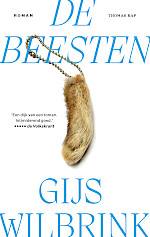
De beesten
‘Ik wil niet veel zeggen, maar volgens mij ging het al mis met Tom Keller toen die twee ooms hem ’s nachts meenamen naar het bos en hem dingen lieten doen die een jongen van negen nog lang niet zou moeten doen.’
Zo begint De beesten, het romandebuut van Gijs Wilbrink. Het speelt zich af in de Achterhoek, te midden van motoren, stropers, nertsenfokkerijen en handeltjes die het daglicht niet kunnen verdragen. In dit mystieke grensland vol geheimen groeit Tom Keller op, jongste telg van de beruchtste familie van de streek, en gezegend met een van God gegeven talent voor de motocross. Als hij jaren later plotseling verdwijnt, komt zijn opstandige dochter terug naar haar geboortegrond om hem te zoeken, met een dramatische familiereünie tot gevolg.
Written in Dutch by Gijs Wilbrink
9 minutes read
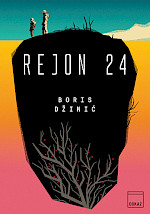
Gebied 24
Translated from
Serbian
to
Dutch
by Lena van Tijen
Written in Serbian by Boris Džinić
11 minutes read
Szumy i piski
Translated from
Romanian
to
Polish
by Olga Bartosiewicz-Nikolaev
Written in Romanian by Lavinia Braniște
8 minutes read
Звірі
Translated from
Dutch
to
Ukrainian
by Larysa Dobra
Written in Dutch by Gijs Wilbrink
8 minutes read
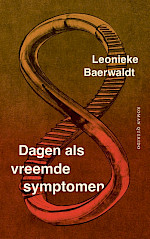
Dni jako dziwne symptomy
Syzyfka błąka się po piekle z pustym wózkiem inwalidzkim, nie wiedząc, czego właściwie szuka. Pamięta tylko, że musi odebrać niepełnosprawną córkę z domu pobytu dziennego. Misja ta za każdym razem kończy się niepowodzeniem, po którym rozczarowana Syzyfka wraca do swojego zaniedbanego podziemnego mieszkania w osobliwym kompleksie mieszkaniowym. Gdy wynajmująca je kobieta na pozór bez przyczyny nawiązuję z nią rozmowę, Syzyfka nagle zaczyna coś sobie przypominać.
Translated from
Dutch
to
Polish
by Anna Opara
Written in Dutch by Leonieke Baerwaldt
7 minutes read
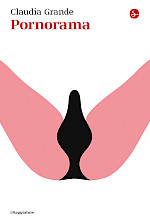
Порнорама
Тази история е паяжина от скъсани нишки: ако успееш да хванеш една, останалите се изплъзват. Това е историята на една тревожна поредица от смъртни случаи в света на порнографията между Рим, Милано и Торино, но е и историята на разследването, проведено от главен инспектор Витория Де Фео. Това е историята на двойка двайсетгодишни, Бет и Тео, които се озовават по същата следа в търсене на сензация, за да съживят своя блог, а също и историята на опита на един разследващ журналист да направи сензацията на живота си. Около техните сложни издирвания се движи сюрреалистичен хор от гротескни персонажи: хирурзи, които забогатяват, търгувайки със секс играчки, моделирани по анатомията на мъртви порнозвезди, лукави адвокати, които държат стажантите на къса каишка, съдебни анализатори, които се опитват да пробият като ютубъри, бивши актьори от детски предавания, изпаднали в немилост, психиатри, които се преобличат като авокадо по време на сеансите, словоохотливи инфлуенсъри, надрусани с кокаин, мазни мениджъри на порноактриси. Всичко това е придружено и подправено със синтетични наркотици и обвързващи договори , отрязани ръце и лимонови пайове, домашни зайци и траш програми, складове на Икеа и порнографски декори. Зад най-чистосърдечното разследване се разкриват прояви на една истинска порнография на съществуването, за която вече няма нищо неприлично.
Translated from
Italian
to
Bulgarian
by Brigitte Mancuso
Written in Italian by Claudia Grande
9 minutes read
Dziennik
Translated from
Slovenian
to
Polish
by Joanna Borowy
Written in Slovenian by Mirt Komel
8 minutes read
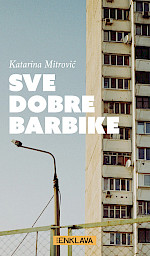
Toate păpușile barbie bune
„Toate păpușile bune” este un roman despre Vanja, o milenială care împlinește treizeci de ani și realizează că nimic din viața ei nu este așa cum își imaginase. Nu a devenit o artistă cunoscută, ci este scenaristă pentru telenovele de doi bani, nu are copii, nu este într-o relație, suferă de o anxietate excesivă, iar relațiile cu membrii familiei nu sunt tocmai cele mai bune. Când fosta ei iubită apare la ușa apartamentului cu un bebeluș, Vanja, în ciuda faptului că Svetlana i-a frânt inima, o lasă să rămână la ea o vreme. Acest lucru o determină să-și reevalueze viața. Sfâșiată între dorința de a face ceea ce iubește și nevoia de a supraviețui în Belgradul de astăzi, Vanja își dă seama că trebuie să schimbe ceva. Își dă impulsiv demisia de la telenovela pe care o scrie, iar în același timp proprietarul o dă afară din apartament pentru a-l închiria unui cuplu din Rusia, de la care poate obține o chirie mult mai mare. Svetlana pleacă, o părăsește din nou, iar Vanja rămâne singură și, deodată, se simte ca o fetiță care nu poate avea grijă de ea însăși. În timp ce își împachetează lucrurile, varsă din greșeală apă clocotită pe picior și își provoacă o arsură gravă. Iar atunci se întreabă - a fost cu adevărat un accident? Neștiind ce să facă, Vanja se întoarce să locuiască la mama ei, într-un orășel de lângă Belgrad, unde o așteaptă toate lucrurile de care fugise.
„Dacă aș ști să scriu, aș scrie ca Katarina. În spatele acestui gând glumeț care îmi trece prin minte se ascund, de fapt, admirația mea și plăcerea pentru limbajul Katarinei Mitrović, precum și pentru veridicitatea cuvintelor ei. Katarina scrie despre sine, dar scrie și despre mine, despre sora mea, despre mama mea, despre prietenii mei. În timp ce veți citi acest roman, veți avea senzația că a fost scris despre voi.” - Vladimir Tagić, regizor de film
„Rapid, captivant, spiritual, expresiv și trăit în profunzime. Toate păpușile bune sunt vii, există, cu mâinile întinse, părul încâlcit, privirea de sticlă și ne râd în față.” - Anica Dobra, actriț
Translated from
Serbian
to
Romanian
by Aleksandra Petrov
Written in Serbian by Katarina Mitrović
11 minutes read
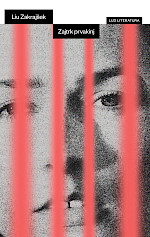
Śniadanie mistrzyń
Akcja Śniadania mistrzyń, debiutanckiej książki Liu Zakrajšek, skupia się wokół trzech miejsc – kina, domu kultury i księgarni – gdzie główna bohaterka dorabia, żeby móc utrzymać się na studiach. Kiedy nie jest na wykładach albo w pracy, spędza czas w małym, dusznym pokoiku na poddaszu – w mieszkaniu współdzielonym z impulsywną, chaotyczną Vesną i zorganizowaną, poważną Pią. Na przestrzeni kolejnych rozdziałów dynamika ich relacji ulega mniej lub bardziej dramatycznym wzlotom i upadkom, a wszystko to dzieje się na szerszym tle kryzysowych zjawisk, których doświadcza młode pokolenie, szykujące się dopiero do wejścia na rynek pracy – od prekarności zatrudnienia i wygórowanych cen nieruchomości do coraz większych różnic klasowych, samotności i problemów ze zdrowiem psychicznym. Młodzi bohaterowie, zamiast myśleć o swoich marzeniach i przyszłości, mogą zająć się co najwyżej tym, jak zarobić na następny czynsz. Powieść, której tytuł nawiązuje do Śniadania mistrzów Kurta Vonneguta, jest subtelną satyrą współczesnego świata, tak bardzo nam potrzebną.
„Pomyślałam o Vesnie. O tym, czy wtedy, kiedy się znałyśmy, była naprawdę nieszczęśliwa. Chyba tak. A ja?”
„Chcę mieć normalne życie. Jakby tak się zastanowić, to normalne życie jest już dużym osiągnięciem”.
„Żeby wywołać rewolucję, wystarczy dostrzec przed sobą prawdziwego człowieka i trochę pomyśleć”.
Translated from
Slovenian
to
Polish
by Aleksandra Wójcik
Written in Slovenian by Liu Zakrajšek
9 minutes read
Pola života
Translated from
Dutch
to
Serbian
by Aleksandar Đokanović
Written in Dutch by Aya Sabi
7 minutes read
El chico con cabeza de pez
Translated from
Czech
to
Spanish
by Enrique Gutiérrez
Written in Czech by Eliška Beranová
11 minutes read
Srečen konec
Translated from
Serbian
to
Slovenian
by Natalija Milovanović
Written in Serbian by Jasna Dimitrijević
8 minutes read
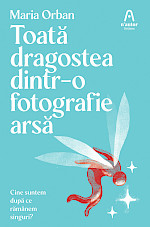
Všechna láska ze spálené fotografie
Všechna láska ze spálené fotografie cílí na vztah tří generací žen, které vnímají svět vzájemně neslučitelným způsobem. Rodina a její křehká rovnováha jsou narušeny náhlou hospitalizací nejstarší z nich. Paralyzující obavy nabývají konkrétních obrysů v blízkosti nevyhnutelné smrti. Na povrch vyplouvají jejich obranné mechanismy – hlavně způsoby, jimiž každá z nich parazituje na životě té druhé ve jménu povinnosti a mateřské lásky. Leia, která se nachází uprostřed této linie, je tou, která zaznamenává proměny, třídí realitu, snaží se ji přepsat a dát jí smysl; tou, která neustále vyjednává vlastní identitu v pokusu odhalit, kým je mimo roli dcery a matky, a nalézt cestu k bezpečnému přístavu. (Eli Bădică, editor)
Translated from
Romanian
to
Czech
by Klára Našincová
Written in Romanian by Maria Orban
8 minutes read
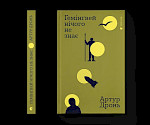
Hemingway no tiene ni idea
Este libro de prosa breve recoge el testimonio de un soldado sobre su experiencia en la guerra: la fe en el frente, la hermandad entre compañeros, el miedo y la esperanza, la muerte y el Amor. El autor revive sus recuerdos traumáticos, pero el texto acaba convirtiéndose en una forma de terapia no solo para él, sino también para quien lo lee. Habla de sí mismo, entrelaza realidad y sueños, pero sobre todo deja constancia de lo que significa vivir al límite. Retrata a personas capaces de un Amor inmenso sobre los que todo parece sostenerse. Aquí se le aparece el Señor de las Trincheras, comienza el Novísimo Testamento, la cultura ucraniana que cabe en una mochila se vuelve refugio, y los grandes nombres de la literatura bélica no resisten el contraste con la realidad. No tienen ni idea de nosotros, los ucranianos. De nuestra experiencia, solo podemos hablar nosotros mismos. En el frente del Este todo ha cambiado y Artur Dron lo cuenta sin rodeos, directo y honesto. Habla como solo hablan quienes han estado al límite y han vuelto.
Translated from
Ukrainian
to
Spanish
by Alina Petryk
Written in Ukrainian by Artur Dron
12 minutes read

Бруклін-Баракальдо
Зберігати мовчання і стати спільником? Чи звернутися до правосуддя і боятися помсти?
Матео повертається до рідного дому в Мадриді після звільнення з архітектурного бюро, в якому працював у Барселоні. Коли він випадково знаходить пістолет серед речей свого батька Хуана, він починає підозрювати, запідозрює, що той був причетний до теракту ЕТА, який стався двадцять років тому в цьому районі. Паралельно читач дізнається історію Мален, яка у 2000 році спланувала вбивство судді в тому самому районі, де мешкають Хуан і Матео, але реалізація цього плану мала неочікуваний фінал. У пошуках істини Матео розкриє приховані таємниці, які можуть безжально зруйнувати як його життя, так і життя людей, яких він любить.
На основі реального теракту, що стався двадцять п’ять років тому в Мадриді, Антоніо Льєрас у своєму першому, вражаючому романі розмірковує про спокуту та можливість змінити власне життя. А також про те, як через десятиліття після розпаду ЕТА жертви та кати намагаються відбудувати своє життя після спільного минулого, сповненого жорстокості та помсти.
Translated from
Spanish
to
Ukrainian
by Oleksandra Laktionova
Written in Spanish by Antonio Lleras
8 minutes read
I panda di Ueno
Written in Italian by Arianna Giorgia Bonazzi
13 minutes read
El regalo
Translated from
Bulgarian
to
Spanish
by Marco Vidal
Written in Bulgarian by Nevena Mitropolitska
10 minutes read
Francamente querida, tanto me faz
Translated from
Czech
to
Portugese
by Stepanka Lichtblau
Written in Czech by Lucie Faulerová
8 minutes read
La renegada
Translated from
Italian
to
Spanish
by Camila Ramírez
Written in Italian by Valeria Usala
10 minutes read