View all filters
Clear








Na het laatste avondmaal
Translated from
Portugese
to
Dutch
by Anne Lopes Michielsen
Written in Portugese by José Gardeazabal
9 minutes read
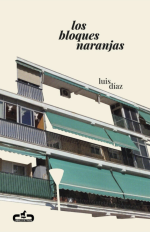
Помаранчеві блоки
Translated from
Spanish
to
Ukrainian
by Oleksandra Laktionova
Written in Spanish by Luis Díaz
7 minutes read
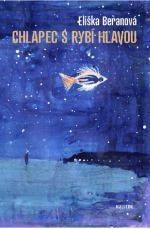
Хлопець з риб’ячою головою
Translated from
Czech
to
Ukrainian
by Olha-Anastasiia Futoran
Written in Czech by Eliška Beranová
8 minutes read
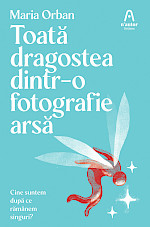
Všechna láska ze spálené fotografie
Všechna láska ze spálené fotografie cílí na vztah tří generací žen, které vnímají svět vzájemně neslučitelným způsobem. Rodina a její křehká rovnováha jsou narušeny náhlou hospitalizací nejstarší z nich. Paralyzující obavy nabývají konkrétních obrysů v blízkosti nevyhnutelné smrti. Na povrch vyplouvají jejich obranné mechanismy – hlavně způsoby, jimiž každá z nich parazituje na životě té druhé ve jménu povinnosti a mateřské lásky. Leia, která se nachází uprostřed této linie, je tou, která zaznamenává proměny, třídí realitu, snaží se ji přepsat a dát jí smysl; tou, která neustále vyjednává vlastní identitu v pokusu odhalit, kým je mimo roli dcery a matky, a nalézt cestu k bezpečnému přístavu. (Eli Bădică, editor)
Translated from
Romanian
to
Czech
by Klára Našincová
Written in Romanian by Maria Orban
8 minutes read
Depois da Última Ceia
Written in Portugese by José Gardeazabal
8 minutes read
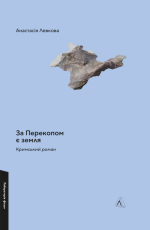
Bilo je nekoč na Krimu
Translated from
Ukrainian
to
Slovenian
by Rina Pleteršek
Written in Ukrainian by Anastasia Levkova
9 minutes read
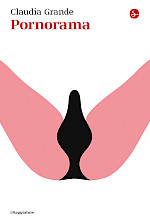
Pornorama
Ova priča je kao paučina od pokidanih niti: ako uspeš da uhvatiš jednu, ostale ti izmiču. To je priča o uznemirujućem nizu smrti u svetu pornografije između Rima, Milana i Torina, ali i priča o istrazi koju vodi glavna inspektorka Vitorija De Feo. To je priča i o tome kako su se dvoje dvadesetogodišnjaka, Bet i Teo, našli na istom tragu u potrazi za pričom koja bi oživela njihov blog, kao i priča o pokušaju jednog novinara žute štampe da napravi ekskluzivu života. Oko njihovih zamršenih potraga kreće se nadrealni hor grotesknih likova: hirurzi koji se bogate prodajući seks-igračke oblikovane po anatomiji preminulih porno zvezda, đavolji advokati koji drže pripravnike na uzici, forenzički analitičari koji pokušavaju da se probiju kao jutjuberi, bivši glumci iz dečjih emisija pali u nemilost, psihijatri koji se prerušavaju u avokado tokom seansi, brbljivi influenseri nadrogirani kokainom, ljigavi menadžeri porno glumica. Sve to prati i začinjava mešavina sintetičkih droga i ugovora o potčinjavanju, odsečenih šaka i pita s limunom, kućnih ljubimaca zečeva i treš emisija, Ikea skladišta i porno setova. Iza jasne detektivske priče raspliću se oblici jedne pornografije postojanja za koju, danas, više ne postoji ništa što bi bilo opsceno.
Translated from
Italian
to
Serbian
by Ivana Lešević
Written in Italian by Claudia Grande
9 minutes read
Como nos tornaremos menos
Translated from
Dutch
to
Portugese
by Pedro Viegas
Written in Dutch by Rebekka de Wit
9 minutes read
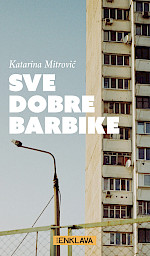
Tutte le Barbie migliori
Translated from
Serbian
to
Italian
by Katarina Mitić
Written in Serbian by Katarina Mitrović
13 minutes read
Jutro
Translated from
Portugese
to
Polish
by Gabriel Borowski
Written in Portugese by Patrícia Patriarca
7 minutes read
Wszystkie dobre laleczki
Wszystkie dobre laleczki to powieść o Vanji, milenialce, która kończy trzydzieści lat i uświadamia sobie, że w jej życiu nic nie wygląda tak, jak sobie wyobrażała. Nie została sławną artystką, lecz scenarzystką tanich telenoweli, nie ma dzieci, nie jest w związku, cierpi na silne stany lękowe, a jej relacje z rodziną są dalekie od idealnych. Kiedy pod drzwiami Vanji pojawia się była dziewczyna z dzieckiem, bohaterka pozwala im przez pewien czas zostać, mimo że Svetlana złamała jej serce. To skłania ją do przewartościowania swojego życia. Rozdarta między pragnieniem robienia tego, co kocha, a próbą przetrwania we współczesnym Belgradzie, Vanja dochodzi do wniosku, że musi coś zmienić. Impulsywnie podejmuje decyzje o odejściu z prac przy telenoweli. W tym samym czasie właściciel wyrzuca ją z mieszkania, by wynająć je rosyjskiemu małżeństwu, które może płacić znacznie wyższy czynsz. Svetlana odchodzi, ponownie ją porzuca. Vanja zostaje sama i nagle czuje się jak mała dziewczynka, która nie potrafi zatroszczyć się o siebie. Podczas pakowania rzeczy przypadkowo oblewa nogę wrzątkiem i doznaje poważnego oparzenia. Zaczyna się zastanawiać, czy to na pewno był wypadek? Nie wiedząc, co dalej, Vanja wraca do matki, do małego miasta niedaleko Belgradu, gdzie czeka na nią wszystko to, od czego próbowała uciec.
„Gdybym wiedział, jak pisać, pisałbym jak Katarina. Za tą żartobliwą myślą, która przemknęła mi przez głowę, kryje się w rzeczywistości mój podziw i przyjemność płynąca z czytania dzieła Katariny Mitrović oraz z prawdziwości jej słów. Katarina pisze o sobie, ale pisze też o mnie, o mojej siostrze, matce, moich przyjaciołach. Kiedy będziecie czytać tę powieść, będziecie mieli wrażenie, jakby ktoś napisał ją o was” – Vladimir Tagić.
„Szybka, ekscytująca, zabawna, obrazowa i głęboko przeżyta. Wszystkie dobre laleczki są żywe, istnieją ze złożonymi rękami, potarganymi włosami, szklanym spojrzeniem i śmieją się nam w twarz” – Anica Dobra.
Translated from
Serbian
to
Polish
by Patrycja Chajęcka
Written in Serbian by Katarina Mitrović
8 minutes read
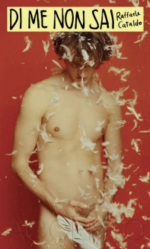
Nic o mnie nie wiesz
Translated from
Italian
to
Polish
by Amina Niepsuj-Wood
Written in Italian by Raffaele Cataldo
3 minutes read
Krimski roman
Translated from
Ukrainian
to
Serbian
by Dragana Vasilijević-Valent
Written in Ukrainian by Anastasia Levkova
8 minutes read
Nekoliko meseci kasnije
Translated from
Slovenian
to
Serbian
by Jelena Dedeić
Written in Slovenian by Andraž Rožman
9 minutes read
Dopo l’ultima cena
Translated from
Portugese
to
Italian
by Francesca Leotta
Written in Portugese by José Gardeazabal
8 minutes read
cihlové bloky
Translated from
Spanish
to
Czech
by Markéta Cubrová
Written in Spanish by Luis Díaz
7 minutes read
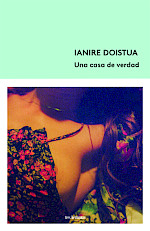
Una casa de verdad
El alivio que siente Ernest cuando su padre se suicida durará muy poco. Pronto descubrirá que las heridas de su pasado, aquellas que creía olvidadas, están más abiertas que nunca.
La oportunidad de vivir en una casa de verdad, como llama él a la casa que hereda, hace resurgir el deseo que lo acompaña desde de niño: formar una familia ideal. Sin embargo, la incapacidad para comprender a su madre y a su esposa, quienes insisten en tomar el control de sus vidas, el constante influjo de su padre y la reaparición de un viejo amor harán que se tambaleen los cimientos de su presente, aquellos sobre los que Ernest pretende construir su nueva e idílica realidad.
Tanto su temática profunda y contemporánea como sus toques de humor hacen que Una casa de verdad destaque como una novela de creciente tensión psicológica a la par que cercana y dinámica.
Written in Spanish by Ianire Doistua
9 minutes read
Di me non sai
Lucio falls in love with "the boy" even before meeting him: just watching him from the window of his office is enough for him to become almost obsessed. When they finally meet, he discovers that Davide is much younger than him (still studying), and that he is elusive, unreliable, and "cruel" in the way only twenty-year-olds can be cruel.
For two months, Lucio and Davide have dinner together, have sex, go to the beach, and often sleep at Lucio's place. However, Davide does not fall in love. He continues to seek Lorenzo, the only man he (perhaps) truly loved, of whom he keeps only a pixelated photo on an old cellphone. Like many twenty-year-olds, he is also confused, wounded, and willing to nestle into the routine of always having a Coca-Cola ready for him in the refrigerator.
"Di me non sai" tells the story of a relationship lived in an opposite, incompatible way, whose nature is revealed to the reader only as the novel progresses. Alternating the perspectives of the two protagonists in short, sometimes very short chapters, Raffaele Cataldo shows the misalignment of feelings and the painful consequences it can have, the slow pace of hot Apulian summers, and the obsessive loves (present and absent) that, like wild oat seeds, cling to hair, shoes, and clothes.
Written in Italian by Raffaele Cataldo
4 minutes read
Bajo el cielo de Crimea
Translated from
Ukrainian
to
Spanish
by Alina Petryk
Written in Ukrainian by Anastasia Levkova
9 minutes read
Toată dragostea dintr-o fotografie arsă (All the Love in a Burnt Photograph)
Toată dragostea dintr-o fotografie arsă pune reflectorul pe relația a trei generații de femei, care înțeleg lumea în moduri aproape incompatibile unul cu celălalt. Familia și echilibrul ei precar sunt zdruncinate de internarea bruscă a celei mai vârstnice dintre ele. Fricile paralizante capătă contur în apropierea morții iminente. Mecanismele lor de apărare, mai ales felurile în care fiecare parazitează viața celeilalte, în numele datoriei și al iubirii materne, ies la suprafață. Iar Leia, aflată la mijlocul distanței este cea care înregistrează schimbările, cea care cerne realitatea, se străduiește să o transcrie și să-i dea un sens, cea care își negociază constant identitatea, în încercarea de a descoperi cine rămâne în afara rolurilor de fiică și de mamă și de a găsi un drum spre liman. (Eli Bădică, editoare)
Written in Romanian by Maria Orban
9 minutes read