View all filters
Clear








Dicionário do Recluso
Translated from
Italian
to
Portugese
by Vasco Gato
Written in Italian by Sara Micello
7 minutes read
De verloochende
Translated from
Italian
to
Dutch
by Leine Meeus
Written in Italian by Valeria Usala
10 minutes read
PISK
Translated from
Polish
to
Czech
by Tadeáš Dohňanský
Written in Polish by Aleksandra Lipczak
9 minutes read
Хей, момичета (It’s Both Heaven and Hell Here. Moldova: a Century of Lived History)
Translated from
Romanian
to
Bulgarian
by Valentina Zlateva
Written in Romanian by Paula Erizanu
7 minutes read
Отхвърлената
Translated from
Italian
to
Bulgarian
by Brigitte Mancuso
Written in Italian by Valeria Usala
9 minutes read
Sinopse
Translated from
Italian
to
Portugese
by Vasco Gato
Written in Italian by Arianna Giorgia Bonazzi
4 minutes read
Invizibili
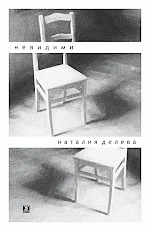
Invizibili este un roman despre neacceptarea celor diferiți, în care copiii își imaginează propriii părinți. O tânără care a crescut într-un orfelinat încearcă să-şi depășească traumele copilăriei. După o serie de despărțiri, o întâlnește pe Dara – o fetiță abandonată, în care se recunoaște. Se atașează de ea și decide cu orice preț să găsească o cale de a-i oferi viața pe care ea însăși nu a avut-o niciodată. Este un roman despre oamenii de la marginea societății. Diferite fire narative se împletesc pentru a spune o poveste comună: cea a invizibilității.
„Un roman despre oamenii de la marginea societății..., care te ia de gât.” Georgi Gospodinov, autorul romanelor Fizica tristeții și Refugiul timpului
„Puțini sunt cei care pot reda fără niciun fel de pretenție viața celor care au trecut printr-un orfelinat, mai ales în perioada de tranziție, și destinele lor ulterioare. De fapt, mai general spus, fiecare dintre noi este un copil abandonat, dar cei despre care povestește autoarea sunt cu adevărat invizibili pe harta socială. Natalia Deleva înlătură de pe chipurile lor toate clișeele cu care i-am pângărit. O carte dificilă, importantă, cu adevărat importantă.” Marin Bodakov, ziarul Cultura
“The narrator in Four Minutes (Invizibili) collates excerpts from news articles, listens to her own (internal) voice, to the stories of people she meets on the way, looks into the past, confronts traumas and, pulling the reader out of their comfort zone, asks important questions about our world, about life in exile, about people who are excluded, abandoned, homeless. A beautiful, intricately woven and exciting book.” Wioletta Greg, author of Swallowing Mercury
Translated from
Bulgarian
to
Romanian
by Maria Andrei
Written in Bulgarian by Nataliya Deleva
11 minutes read
Dům v Haifě
Translated from
Slovenian
to
Czech
by Kateřina Honsová
Written in Slovenian by Andraž Rožman
8 minutes read
El éxodo de los corderos
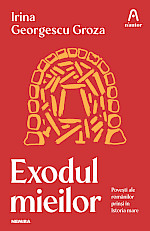
La ficción histórica El éxodo de los corderos parte de las consecuencias de la masacre cometida contra una comunidad del oeste de Rumanía, inmediatamente después de la firma del Segundo arbitraje de Viena, en 1940. El inicio de la Segunda Guerra Mundial sorprende a Domnica y a los hermanos Romi y Miculuș en el castillo de la familia Teleki, donde trabajan como sirvientes. En cuanto se enteran de que su aldea ha sido atacada, emprenden el camino para salvar a su madre. Sin embargo, la única vía de escape de las tropas horthystas armadas es la red de túneles subterráneos excavados entre las fortalezas de Transilvania (al comienzo del libro hay un mapa de esta red), donde los refugiados rumanos buscan a sus familias y una vía hacia la libertad. En el Subsuelo tienen lugar enfrentamientos de todo tipo, ya que no todas las galerías han sido terminadas, faltan provisiones en las despensas y un espía enviado por los húngaros introduce en su interior un saco de dinamita. Paralelamente al drama de los refugiados, se entrelaza también la historia de amor entre Romi y Domnica, que se pierden el uno del otro. Domnica queda retenida en una aldea habitada por un grupo de espías rusos, mientras que Romi es perseguido por el hijo del conde Teleki y por sus soldados. El éxodo de los corderos no es solo una historia trepidante sobre caminos y fronteras, sino también una novela que abre diálogos sobre temas como el exilio, la memoria colectiva y los derechos de las mujeres, invitándonos al final a preguntarnos: ¿qué precio estamos dispuestos a pagar por la libertad y qué legado elegimos dejar a las generaciones futuras?
Translated from
Romanian
to
Spanish
by Borja Mozo
Written in Romanian by Irina Georgescu Groza
11 minutes read
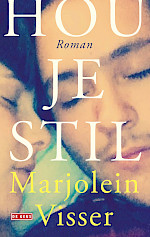
Bądź cicho
„Zaginięcie jednego z nas nie trafia do wiadomości dnia, bo to żadna wiadomość. Reszta świata o tobie nie myśli ; nie wtedy, gdy wciąga kokainę, którą przemyciłeś, nie wtedy, gdy nosi ubrania, które uszyłeś, ani nie wtedy, gdy wyrzuca cię ze swojego kraju.”
To historia Alexa, wycofanego chłopaka, który uciekł z Meksyku i odbywa staż na holenderskim uniwersytecie, próbując ocalić wszystko, co jeszcze da się ocalić. Żeby żyć, musi mówić. Żeby przetrwać- milczec.
Milcz/ Bądź cicho to poruszająca powieść o zamkniętych granicach i bezgranicznej odwadze, o sile języka oraz o niejednoznacznej granicy między sprawcami a ofiarami.
Wszystkie postacie w tej książce są fikcyjne. Fakty - nie.
Książka opiera się na wieloletnich badaniach i relacjach osób mających doświadczenie uchodźstwa lub deportacji, specjalistów prawa azylowego, wykładowców różnych (meksykańskich) uniwersytetów, psychologów traumy, działaczy na rzecz praw człowieka, dziennikarzy, osób ukrywających się oraz ofiar i sprawców przemocy karteli i gangów. Historia rzuca światło na wpływ (międzynarodowych) władz na życie jednostek, a także na przemoc związaną z narkotykami i przemoc seksualną. Ta przejmująca opowieść obnaża również złożoną relację między „krajami narkotykowymi”, takimi jak Meksyk, a Europą, kontynentem, który coraz szczelniej zamyka granice przed osobami ubiegającymi się o azyl, a jednocześnie pozostaje jednym z głównych centrów przemytu i konsumpcji kokainy.
„Mistrzowska powieść. Trochę się przy niej popłakałam. Ostra, czuła i bolesna. Mam nadzieję, że cała Holandia przeczyta tę książkę.” , Nikki Dekker (pisarka z CELA #2)
„Imponująca, fenomenalna powieść. Marjolein Visser napisała w Milcz/ Bądź cicho wstrząsającą książkę o jednym z najbardziej brutalnych systemów na świecie.”
Lex Bohlmeijer, de Correspondent
Translated from
Dutch
to
Polish
by Marta Talacha
Written in Dutch by Marjolein Visser
7 minutes read

Famous Blue Raincoat
Translated from
Spanish
to
Italian
by Ilaria Garelli
Written in Spanish by Aixa De la Cruz Regúlez
9 minutes read
Hemingvej ne zna ništa
Ova knjiga kratke proze je svedočanstvo jednog vojnika o iskustvu velikog rata. Vera na frontu, bratstvo među vojnicima, strah i nada, smrt i Ljubav. Autor obrađuje sopstvena traumatična sećanja, ali tekst može poslužiti kao psihoterapija ne samo za njega već i za čitaoce. On govori o sebi, prepričava stvarnost i snove, ali pre svega beleži život na samoj ivici. Govori o ljudima velike Ljubavi, na kojima sve i počiva. Ovde se javlja Gospod Rovovski, započinje Najnoviji zavet, ukrajinska kultura u rancu postaje oslonac, a priznati majstori ratne književnosti ne izdržavaju ispit stvarnosti. Oni o nama, Ukrajincima, ne znaju ništa. O sebi možemo govoriti samo mi sami, jer je na Istoku svašta novo. I Artur Dronj o tome govori otvoreno i neposredno. Onako kako govore oni koji su bili na ivici. I vratili se.
Translated from
Ukrainian
to
Serbian
by Dragana Vasilijević-Valent
Written in Ukrainian by Artur Dron
10 minutes read
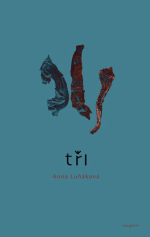
Drie!
Translated from
Czech
to
Dutch
by Lysanne Aarsman
Written in Czech by Anna Luňáková
8 minutes read
La casa di Haifa
Translated from
Slovenian
to
Italian
by Lucia Gaja Scuteri
Written in Slovenian by Andraž Rožman
11 minutes read
Măi, fetelor (It’s Both Heaven and Hell Here. Moldova: a Century of Lived History)
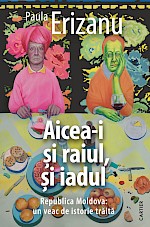
There are few places across Europe which have had the tumultuous story of Moldova in the 20th and 21st centuries. My greatgrandmother, for instance, spent most of her life in the same village while living in four different countries: she was born in the Russian Empire, went to school in Romania, resisted collectivisation and eventually gave in during the Soviet era, and got retired in the independent Republic of Moldova. I share her story in this book, as well as stories of other people with different backgrounds I interviewed, in an effort to create a polyphonic view of Moldova’s recent history. Chronologically, the book starts with the 1903 infamous Chisinau pogrom and it ends with the 2022 refugee crisis caused by the full-scale invasion of Ukraine. Geographically, the stories are rooted in Moldova but they cover the whole world thanks to the processes of migration that characterised all of the communities described in this book — Jewish, Roma, Armenian, Moldovan, Ukrainian, Russian etc. — at different points during history.
Written in Romanian by Paula Erizanu
7 minutes read
Trei!
Translated from
Czech
to
Romanian
by Andrei Săndulescu
Written in Czech by Anna Luňáková
8 minutes read
Bubblegum blues
Translated from
Dutch
to
Italian
by Antonio De Sortis
Written in Dutch by Carmien Michels
9 minutes read
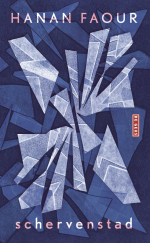
la città in frantumi
Translated from
Dutch
to
Italian
by Jessica Rostro Benigno
Written in Dutch by Hanan Faour
8 minutes read
Iskreno, ljubica, briga me
Translated from
Czech
to
Slovenian
by Vesna Dragar
Written in Czech by Lucie Faulerová
7 minutes read
Na putu do kuće
Translated from
Italian
to
Serbian
by Ana Popović
Written in Italian by Fabrizio Allione
8 minutes read