View all filters
Clear









Brooklyn-Barakaldo
¿Guardar silencio y ser cómplice? ¿O acudir a la justicia y temer venganza?
Mateo vuelve a la casa familiar en Madrid después de haber sido despedido del estudio de arquitectura en el que trabajaba en Barcelona. Cuando por azar encuentra una pistola entre las pertenencias de Juan, su padre, sospecha que este tuvo relación con un atentado de ETA ocurrido hace veinte años en el barrio. En paralelo, el lector conocerá la historia de Malen, que, en el 2000, planificó el asesinato de un juez en el mismo barrio de Juan y Mateo, pero cuya ejecución tuvo un desenlace inesperado. La investigación de Mateo por conocer la verdad le llevará a desentrañar secretos ocultos que podrían desmontar sin remedio los pilares de su vida y de las personas que quiere.
Basándose en un atentado real de hace veinticinco años en Madrid, Antonio Lleras reflexiona en su primera y emocionante novela sobre la redención y la posibilidad de cambiar de vida. Y sobre cómo décadas después del fin de ETA víctimas y verdugos tratan de reconstruir sus vidas tras un pasado común de violencia y venganza.
Written in Spanish by Antonio Lleras
9 minutes read
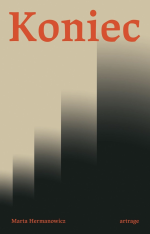
In The End (Koniec)
Metaphysical and blasphemous novel about the tragedy of war that never meets a clean end with a peace treaty. The war goes on, residing within its victims who carry it from one generation to the next.
Malwina, an exceptionally sensitive girl, experiences her grandmother’s wartime memories in her dreams. This makes her exist in two parallel realities at once: the 1940s Eastern borderlands and Siberia along the 1990s Poland. Those realities seep and bleed through one another, making Malwina a catcher of her survivor grandmother’s dreams, or perhaps a dybbuk who gives voice to the dead. To Malwina, the war persists, haunting her day and night alike. Poignant and piercing, Koniec is an impressively well-crafted prose.
Written in Polish by Marta Hermanowicz
10 minutes read
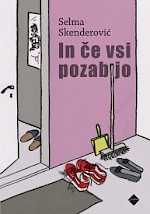
Y si todos lo olvidan
Y si todos lo olvidan, una historia sobre la identidad, lo extranjero y la incomprensión, es la primera novela firmada por Selma Skenderović, ganadora del Festival de Literatura Joven Urška 2020.
Y si todos lo olvidan es una novela sobre el paso a la vida adulta y la búsqueda de identidad que continúa con las cuestiones que la autora ya planteó en su debut literario, el relato Zakaj molčiš, Hava? La narración de una universitaria, íntima y en primera persona, es una historia sobre la vergüenza de clase, las consecuencias de la violencia doméstica, ser extranjero y los problemas identitarios. ¿Cómo vivir cuando eres extranjero tanto «aquí» como en «casa»?
Zina es una hija de inmigrantes de Kosovo que decide estudiar. Al mudarse de una pequeña localidad eslovena a Liubliana, a una residencia de estudiantes, busca su camino entre unos mundos que la determinan.
Así, dos mundos son para ella este aquí, en Eslovenia, y aquel en Kosovo, al igual que hay dos mundos entre ella y sus padres e igualmente dos entre ella y los suyos (los inmigrantes de otras partes) y los eslovenos y dos en ella misma. ¿Dividirse, aislarse, sentirse identificada, acercarse, fundirse o separarse? Pero con quién, frente a quién o de quién, cuando a fin de cuentas todos somos personas. Zina es una aguda observadora de su entorno, de sus padres y de sí misma. Reflexiona sobre quién es. Desea encontrar su sitio, un mundo en el que haya más abrazos, sin violencia. Cuantos menos patrones patriarcales transfiera a su vida cada vez más independiente, mejor será. Es más que consciente de ello. Y también de que eres tú mismo quien traza tu camino en la vida. Al menos desde que te rebelas ante las manipulaciones y los golpes que, y en algunos lugares aún es así, se tienen por una educación apropiada. Con sus inteligentes reflexiones y el sentido que le da a los acontecimientos de su vida y la vida de sus familiares de Kosovo, Zina explica las diferencias entre unas personas que están separadas por «solo» 700 kilómetros o solo por unos centímetros en su propia familia.
Translated from
Slovenian
to
Spanish
by David Heredero
Written in Slovenian by Selma Skenderović
8 minutes read
TRE!
Translated from
Czech
to
Italian
by Marco Maria Baù
Written in Czech by Anna Luňáková
8 minutes read
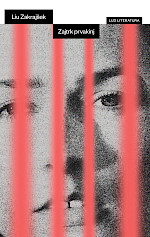
Закуска за шампионки
„Закуска за шампионки“ е дебютът на Лиу Закрайшек, в който заедно с главната героиня се отправяме на три различни студентски работни места: в кино, в дом на културата и в книжарница. Когато не ходи на лекции или не работи, тя прекарва времето си в малката си задушна таванска стаичка на апартамента, който дели с импулсивната и хаотична Весна, както и с организираната и сериозна Пиа. Тяхната динамика през главите повече или по-малко драматично се изгражда и отново се разрушава, а всичко това се случва на фона на по-мащабни житейски кризи, които преживавя младото поколение, което тепърва ще навлезе на пазара на труда – от уязвимотта им и твърде високите цени на недвижимите имоти до все по-лошата класова сегрегация, самотност и лошото психическо здраве. Младите хора в романа, които биха предпочели да мислят за мечтите и бъдещето си, могат да се занимават най-много с това как да си подсигурят следващия наем. Романът, чието заглавие е вдъхновено от Кърт Вонегът, е субтилна сатира на днешното време, от каквато спешно имаме нужда.
Translated from
Slovenian
to
Bulgarian
by Dimana Miteva
Written in Slovenian by Liu Zakrajšek
9 minutes read
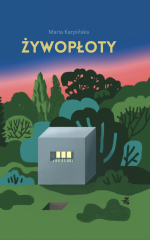
De Heggen
Translated from
Polish
to
Dutch
by Małgosia Briefjes
Written in Polish by Maria Karpińska
12 minutes read
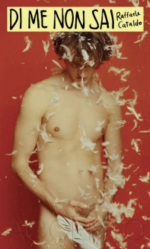
Ти нічого про мене не знаєш
Translated from
Italian
to
Ukrainian
by Olena Roman
Written in Italian by Raffaele Cataldo
3 minutes read
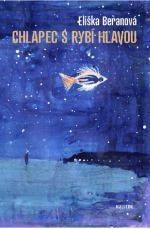
Chlapec s rybí hlavou
Chlapec s rybí hlavou je lyrickým ponorem do bezejmenného českého maloměsta, skrznaskrz šedošedého, ubíjejícího ve své každodennosti a vyčpělých ideologiích. To vše velmi ostře vnímá protagonistka příběhu, která se do svého rodiště po letech vrací, aby se rozloučila s tragicky ztraceným přítelem z dětství.
Pod zdánlivou fádností městských budov číhají temné a bytostně lidské momentky, uchopené specifickým a stylisticky výjimečným jazykem. V okolních lesích však cosi rozkvétá a pod hladinou řeky se odehrává milostný příběh 21. století, podaný bez patosu a stylizujících stereotypů.
Written in Czech by Eliška Beranová
7 minutes read
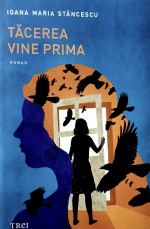
Мълчанието идва първо
Translated from
Romanian
to
Bulgarian
by Valentina Zlateva
Written in Romanian by Ioana Maria Stăncescu
8 minutes read
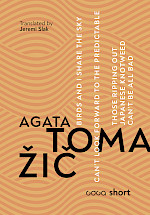
Ik deel de lucht met de vogels
Translated from
Slovenian
to
Dutch
by Staša Pavlović
Written in Slovenian by Agata Tomažič
9 minutes read
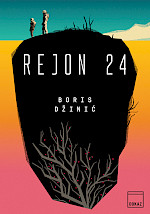
Area 24
Sono già passati diversi anni da quando Luke ed Ellie hanno messo piede per la prima volta sul suolo del Pianeta Rosso.
Piantando visciole su Marte, gli unici alberi che finora riescono a sopravvivere su questo pianeta desolato, padre e figlia intraprendono un’emozionante ricerca tra i segreti sepolti negli strati di polvere rossastra. Alberi carichi di frutti rosso scuro crescono sotto le volte di tutte le serre specializzate, tranne che in una, l’Area 24.
Mentre l’interno delle loro tute spaziali si riempie sempre più di solitudine, paura, incomprensione e tristezza, gli eventi tragici del passato continuano a gravare su di loro come la cupa foschia di Marte. Nonostante si costringano a non pensare alla casa che hanno lasciato temporaneamente, sprazzi del loro passato li riconducono verso piccoli dettagli e ricordi che hanno plasmato le loro vite. Perché è importante il modo in cui Ellie mangia le visciole o quale albero Luke ha piantato da bambino? La vecchia proprietà, il frutteto, il lago vicino, la fiera di paese ormai silenziosa e la rete di canali e boschetti intrecciati possono forse rappresentare lo scheletro e il sistema vitale di una famiglia?
Nel suo romanzo d’esordio, Boris Džinić intreccia abilmente passato e presente dei suoi protagonisti, offrendoci una storia toccante sul potere dei ricordi, sull’amore, sul dolore, sulla sofferenza e sui legami indissolubili tra le persone. Area 24 ci ricorda che anche nel luogo più oscuro è possibile conservare la gioia di vivere e la speranza che valga la pena tornare a ciò che ci aspetta.
Translated from
Serbian
to
Italian
by Katarina Mitić
Written in Serbian by Boris Džinić
11 minutes read
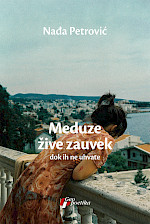
Meduze živijo za vedno, dokler jih ne ujamejo
Sara je šele dopolnila devetnajst let in zaradi potlačene travme iz preteklosti čuti vse močnejši strah, da bo v tistem letu umrla. Zato tisto, kar bi moralo biti najbolj brezskrbno poletje njenega življenja, med srednjo šolo in fakulteto, preživlja v senci tesnobe. Z družbo hodi v alternativne klube, poskuša se pobotati z nekdanjim fantom Viktorjem, veliko pije in si želi, da bi jo vsi opazili, čeprav je v resnici zadržana. Vse se spremeni, ko Sara v temnem prostoru kluba doživi svoje prvo videnje, v katerem travma iz preteklosti oživi – ponovno sreča devetnajstletno sestrično Laro. Sara se naslednje jutro zbudi z mravljinci v roki, ki se širijo, in Sara odkrije, da ima neimenovano bolezen, s katero bo normalno živela, vendar jo bo za vedno spremljala. Ko Sara dobi prvi indic, da je njen strah pred smrtjo upravičen, se začne panično ukvarjati z analizo tega pojma, svojega telesa kot nečesa krhkega in minljivega, in skozi ta razmišljanja pospešeno odrašča. Začne hoditi na pripravljalni tečaj za študij slikarstva, kjer spozna Tiso in Balšo, onadva sta ekscentrična in oba sta se v preteklosti srečala s smrtjo, oba imata zakopane travme. Sara v Tisi najde vzornico, v Balšo pa se zaljubi. Skozi odnos z njima se Sara sooča s svojo sedanjostjo, prihodnostjo in preteklostjo – družinsko tragedijo, ki je zaznamovala vse njeno odraščanje, smrt njene sestrične Lare.
»Ranljivo in močno, razigrano in vznemirljivo. Izjemen roman Nađe Petrović se začne kot najstniška drama odraščanja, a hitro se spremeni v vznemirljivo intimno izpoved, vihravo in poetično, obenem pa ganljivo in bolečo. To je zgodba o globoki in temeljni krhkosti, o strahu pred smrtjo, a tudi o strahu pred življenjem.« — Srdan Golubović
»Sarina pripoved, digresivna, pogosto obarvana z lahkim, samokritičnim humorjem, ni stereotipni mladostniški literarni glas. Njene zastranitve se pogosto zgostijo v nenavadne jezikovne podobe, ki dobijo tudi 'zunanjo' ustreznico: s tem, ko ni izbrala čisto stvarne proze, je avtorica v roman vnesla pomembne fantastične motive in celotne sanjske prizore, ki jih je s skladnim in zelo učinkovitim vpletanjem v pripoved izkoristila kot pomembne strukturne elemente celote.« — Izjava žirije v sestavi prof. dr. Jelena Panić Maraš, prof. dr. Predrag Petrović in dr. Tijana Tropin ob podelitvi nagrade Grozdane Olujić za najboljšo prozno knjigo leta 2023
Translated from
Serbian
to
Slovenian
by Natalija Milovanović
Written in Serbian by Nađa Petrović
10 minutes read
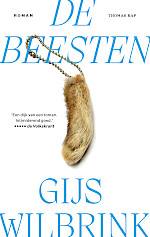
Звірі
Translated from
Dutch
to
Ukrainian
by Larysa Dobra
Written in Dutch by Gijs Wilbrink
8 minutes read
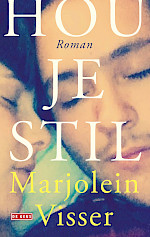
Bolje je da ćutiš
Translated from
Dutch
to
Serbian
by Tamara Britka
Written in Dutch by Marjolein Visser
8 minutes read
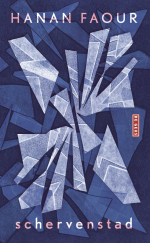
місто з уламків скла / розбите місто
Translated from
Dutch
to
Ukrainian
by Larysa Dobra
Written in Dutch by Hanan Faour
7 minutes read
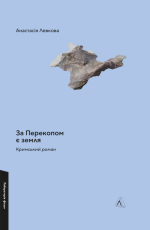
За Перекопом є земля
Крим. Саме тут минуло дитинство, юність і перше кохання головної героїні роману. Саме тут вона зрозуміла, що є українкою. Ні дідусь-підполковник КДБ, ані російська кров у венах не стали цьому на заваді.
Наче орнамент, у романі переплітаються кримськотатарська культура і українська історія. На сторінках книжки читач зустрінеться з кримськими татарами, караїмами, українцями, росіянами, німцями, євреями, греками, вірменами Криму, крок за кроком відкриватиме шафи з родинними скелетами. Разом з головною героїнею та її подругою Аліє пройде шлях від їхнього дитинства – з 1990-х – аж до окупації півострова Росією в 2014-му, з екскурсами в давнішу історію Криму.
«За Перекопом є земля» — це спроба відкрити материк для півострова, а півострів для материка з незвичного ракурсу. Адже і там, і там є земля. Її варто пізнати й повернути їй цілісність.
Written in Ukrainian by Anastasia Levkova
7 minutes read
Jak vycpat tělo
Translated from
Dutch
to
Czech
by Blanka Konečná
Written in Dutch by Nikki Dekker
7 minutes read
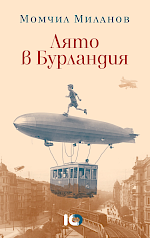
Ministerstvo snů
Translated from
Bulgarian
to
Czech
by Jitka Zárubová
Written in Bulgarian by Momchil Milanov
8 minutes read
За мен не знаеш
Translated from
Italian
to
Bulgarian
by Brigitte Mancuso
Written in Italian by Raffaele Cataldo
4 minutes read
Sinopsis
Translated from
Italian
to
Spanish
by Inés Sánchez Mesonero
Written in Italian by Arianna Giorgia Bonazzi
5 minutes read