View all filters
Clear








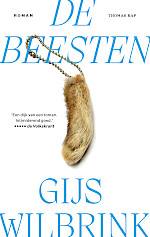
Bestie
„Nechci moc prozrazovat, ale podle mě se to s Tomem Kellerem pokazilo už tehdy, když ho jeho dva strýcové vzali v noci do lesa a nechali ho dělat věci, které by devítiletý chlapec ještě dlouho dělat neměl.“
Tak začíná debutový román Gijse Wilbrinka Bestie. Příběh se odehrává ve východní části Nizozemska mezi motorkami, pytláky, chovy norků a kšefty, které nesnesou denní světlo. V mystickém pohraničí plném tajemství vyrůstá Tom Keller, nejmladší z potomků v okolí nechvalně známé rodiny, který dostal do vínku talent pro motokros. Když po letech najednou zmizí, vydá se ho do rodného kraje hledat jeho svéhlavá dcera a výsledkem je dramatické rodinné znovushledání.
Translated from
Dutch
to
Czech
by Klára Němcová
Written in Dutch by Gijs Wilbrink
7 minutes read
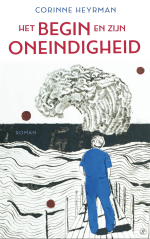
Het begin en zijn oneindigheid
Translated from
Dutch
to
Serbian
by Jana Živkić
Written in Dutch by Corinne Heyrman
9 minutes read
Het begin en zijn oneindigheid
Op hoge leeftijd is Marcel met een depressie in een psychiatrisch ziekenhuis beland, waar zijn kleindochter jaren eerder ook verbleef, op de afdeling eetstoornissen. Ze komt hem dikwijls opzoeken en bespreekt haar vragen in een radiodocumentaire. In hoeverre kies je zelf wie je bent? Wat is een Verward Persoon? Hoe erfelijk is ontregeling, en wat is de oorzaak ervan? Wanneer begint herstel en belangrijker, wanneer eindigt het? Corinne Heyrman vertelt het verhaal van de grootvader, zijn kleindochter, familieleden en andere patiënten in het ziekenhuis, waarmee ze de complexiteit en de vele gezichtspunten van psychische kwetsbaarheid vol verbeeldingskracht en inlevingsvermogen ontleedt.
Written in Dutch by Corinne Heyrman
9 minutes read
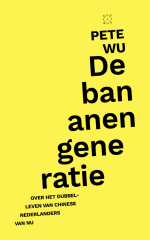
Банановото поколение: За двойствения живот на днешните китайски нидерландци
Translated from
Dutch
to
Bulgarian
by Elena Dimitrova
Written in Dutch by Pete Wu
9 minutes read
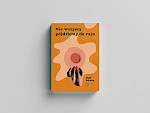
Niet iedereen gaat naar het paradijs
Translated from
Polish
to
Dutch
by Małgosia Briefjes
Written in Polish by Olga Górska
7 minutes read

Niebo dzielę z ptakami
Translated from
Slovenian
to
Polish
by Joanna Borowy
Written in Slovenian by Agata Tomažič
7 minutes read
Cuando las mentiras se acumulan a toda velocidad
Translated from
Dutch
to
Spanish
by Guillermo Briz
Written in Dutch by Carmien Michels
8 minutes read
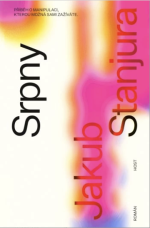
Lunile de august
Cât de departe suntem capabili să mergem unul pentru celălalt?
Daniela crește într-o familie în care, în loc de oameni, o îmbrățișează anxietățile. Acestea vin cu o regularitate ciudată – în fiecare august. Zilele însorite nu sunt plăcute pentru ea, ci dureroase. Apoi, când îl întâlnește la facultate pe Ștefan, crede că poate scăpa în sfârșit de verile neplăcute. Nu știe însă că nu poate fugi de trecut.
În romanul său, Jakub Stanura abordează într-o manieră originală tema serioasă a gaslighting-ului – o formă specială de manipulare care provoacă victimei îndoieli cu privire la propria raționalitate, memorie și percepție generală a realității.
„În cartea sa, Jakub Stanjura dezvăluie într-un mod cu totul excepțional funcționarea relației dintre manipulator și victima sa și expune mecanismele care au condus victima către o relație patologică și o mențin acolo, în ciuda oricărei raționalități.” – Petra Dvořáková, scriitoare
„Pentru mine, gaslighting-ul este un coșmar. Ideea că trăiesc ceva și că altcineva mă convinge de contrariu, că inventez sau că delirez, mi se pare îngrozitoare. Prin romanul meu am vrut să atrag atenție asupra acestor tehnici manipulative.” – Jakub Stanjura, autorul romanului
Translated from
Czech
to
Romanian
by Andrei Săndulescu
Written in Czech by Jakub Stanjura
9 minutes read

Brooklyn-Barakaldo
Milczeć i być współwinnym? Czy dochodzić sprawiedliwości i bać się zemsty?
Mateo wraca do rodzinnego domu w Madrycie, po tym jak stracił pracę w studiu architektonicznym w Barcelonie. Gdy przez przypadek znajduje w rzeczach swojego ojca Juana pistolet, zaczyna podejrzewać, że broń ma jakiś związek z zamachem terrorystycznym sprzed dwudziestu lat, dokonanym w tamtej dzielnicy przez ETA. Czytelnik równolegle poznaje historię Malen, która w 2000 roku w tej samej okolicy planowała zabójstwo pewnego sędziego, ale realizacja misji przyniosła nieoczekiwane rezultaty. Mateo docieka prawdy o przeszłości swojego ojca, co doprowadzi go do ujawnienia tajemnic, które mogą nieodwracalnie podważyć fundamenty życia jego i bliskich mu osób.
Wykorzystując prawdziwą historię zamachu sprzed dwudziestu pięciu lat, Antonio Lleras w swoim emocjonującym debiucie rozważa temat odkupienia win i nowych początków. Zastanawia się, jak lata po zakończeniu działalności przez ETA ofiary i oprawcy, którzy doświadczyli przemocy i zemsty, próbują zbudować swoje życie na nowo.
Translated from
Spanish
to
Polish
by Justyna Sterna
Written in Spanish by Antonio Lleras
8 minutes read
Binće
Translated from
Dutch
to
Serbian
by Jana Živkić
Written in Dutch by Tuly Salumu
9 minutes read
Началото и неговата безкрайност
Translated from
Dutch
to
Bulgarian
by Elena Dimitrova
Written in Dutch by Corinne Heyrman
9 minutes read
Sinopse
Translated from
Italian
to
Portugese
by Vasco Gato
Written in Italian by Arianna Giorgia Bonazzi
4 minutes read
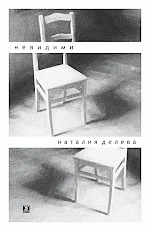
Invizibili
Invizibili este un roman despre neacceptarea celor diferiți, în care copiii își imaginează propriii părinți. O tânără care a crescut într-un orfelinat încearcă să-şi depășească traumele copilăriei. După o serie de despărțiri, o întâlnește pe Dara – o fetiță abandonată, în care se recunoaște. Se atașează de ea și decide cu orice preț să găsească o cale de a-i oferi viața pe care ea însăși nu a avut-o niciodată. Este un roman despre oamenii de la marginea societății. Diferite fire narative se împletesc pentru a spune o poveste comună: cea a invizibilității.
„Un roman despre oamenii de la marginea societății..., care te ia de gât.” Georgi Gospodinov, autorul romanelor Fizica tristeții și Refugiul timpului
„Puțini sunt cei care pot reda fără niciun fel de pretenție viața celor care au trecut printr-un orfelinat, mai ales în perioada de tranziție, și destinele lor ulterioare. De fapt, mai general spus, fiecare dintre noi este un copil abandonat, dar cei despre care povestește autoarea sunt cu adevărat invizibili pe harta socială. Natalia Deleva înlătură de pe chipurile lor toate clișeele cu care i-am pângărit. O carte dificilă, importantă, cu adevărat importantă.” Marin Bodakov, ziarul Cultura
“The narrator in Four Minutes (Invizibili) collates excerpts from news articles, listens to her own (internal) voice, to the stories of people she meets on the way, looks into the past, confronts traumas and, pulling the reader out of their comfort zone, asks important questions about our world, about life in exile, about people who are excluded, abandoned, homeless. A beautiful, intricately woven and exciting book.” Wioletta Greg, author of Swallowing Mercury
Translated from
Bulgarian
to
Romanian
by Maria Andrei
Written in Bulgarian by Nataliya Deleva
11 minutes read
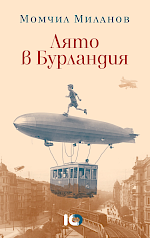
Літо в Бурландії
Восьмирічний Штерн живе в Грейштадті. Його батько дипломат, а мама художниця із замкнутим характером, яка все більше занурюється в себе. Хоча прямо про це й не сказано, але читач сам одразу розуміє, що рідні Штерна розлучаються. З’являється тітка Ема (сестра близького товариша Штернового батька, молодого амбіційного полковника з армії), яка доглядатиме за хлопчиком, поки його батько у відрядженні за кордоном. Він обіцяв повернутися на день народження Штерна перед самим Різдвом, але стає зрозуміло, що дотриматися цієї обіцянки дуже складно, бо вона така ж сама складна, як політична ситуація в країні. Грейштадт підозріло нагадує Софію, але це легко міг би бути будь-якої іншою центрально- / східноєвропейською столицею. Незрозумілим залишається і час описуваних подій –– різні відсилки до 30-, 40-, кінця 80-х років, навіть теперішнього часу, розкидані в різних місцях у тексті. Це створює сноподібну атмосферу deja vu і deja vexu, викликаючи відчуття повтору історії, пам’яті і травми. Роман поєднує паралельні сюжетні лінії й алюзії до таких тем, як популізм, незаконні праворадикальні організації та небезпечний вплив соціальних мереж. Книга починається, на перший погляд, з не пов’язаних подій у Грейштадті. Біля випадкових будинків, розташованих у різних частинах міста, зникає взуття; загадковий аристократ із амбітними планами прибуває своїм дирижаблем. Його летюча резиденція продовжує ширяти над містом, втілюючи таким чином відчуття загрози і тривоги, що оселилися в повітрі. Барон має підступний план, який буде розкрито значно пізніше –– вкрасти мрії жителів Грейштадта.
«Перший роман болгарського романіста і одна з сенсацій літературного сезону, між історією дорослішання та політичною байкою».
Libération, Франція.
«Весело-моторошно-солодко-солоне повернення в дитинство одного дорослого чоловіка».
Крістін Дімітрова, письменник, Літературний вісник.
«Важко визначити, який це жанр, «Літо в Бурландії» містить елементи фентезі, історичного роману, казки, пригодницької історії з демонічним лиходієм. Саме можливість утечі –– цей світлий особистий горизонт –– робить книгу Мілана такою ніжною і легкою до читання. Хоча події відбуваються під важкою тінню дирижабля, що навис над містом, але в них немає нічого страшного чи безнадійного. Це яскравий роман гри та приборкання зла.
Юлія Роне
Translated from
Bulgarian
to
Ukrainian
by Khrystia Vengryniuk
Written in Bulgarian by Momchil Milanov
8 minutes read
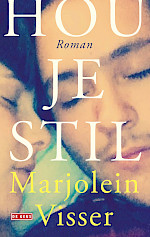
Bądź cicho
„Zaginięcie jednego z nas nie trafia do wiadomości dnia, bo to żadna wiadomość. Reszta świata o tobie nie myśli ; nie wtedy, gdy wciąga kokainę, którą przemyciłeś, nie wtedy, gdy nosi ubrania, które uszyłeś, ani nie wtedy, gdy wyrzuca cię ze swojego kraju.”
To historia Alexa, wycofanego chłopaka, który uciekł z Meksyku i odbywa staż na holenderskim uniwersytecie, próbując ocalić wszystko, co jeszcze da się ocalić. Żeby żyć, musi mówić. Żeby przetrwać- milczec.
Milcz/ Bądź cicho to poruszająca powieść o zamkniętych granicach i bezgranicznej odwadze, o sile języka oraz o niejednoznacznej granicy między sprawcami a ofiarami.
Wszystkie postacie w tej książce są fikcyjne. Fakty - nie.
Książka opiera się na wieloletnich badaniach i relacjach osób mających doświadczenie uchodźstwa lub deportacji, specjalistów prawa azylowego, wykładowców różnych (meksykańskich) uniwersytetów, psychologów traumy, działaczy na rzecz praw człowieka, dziennikarzy, osób ukrywających się oraz ofiar i sprawców przemocy karteli i gangów. Historia rzuca światło na wpływ (międzynarodowych) władz na życie jednostek, a także na przemoc związaną z narkotykami i przemoc seksualną. Ta przejmująca opowieść obnaża również złożoną relację między „krajami narkotykowymi”, takimi jak Meksyk, a Europą, kontynentem, który coraz szczelniej zamyka granice przed osobami ubiegającymi się o azyl, a jednocześnie pozostaje jednym z głównych centrów przemytu i konsumpcji kokainy.
„Mistrzowska powieść. Trochę się przy niej popłakałam. Ostra, czuła i bolesna. Mam nadzieję, że cała Holandia przeczyta tę książkę.” , Nikki Dekker (pisarka z CELA #2)
„Imponująca, fenomenalna powieść. Marjolein Visser napisała w Milcz/ Bądź cicho wstrząsającą książkę o jednym z najbardziej brutalnych systemów na świecie.”
Lex Bohlmeijer, de Correspondent
Translated from
Dutch
to
Polish
by Marta Talacha
Written in Dutch by Marjolein Visser
7 minutes read
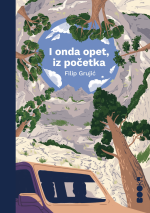
Și din nou, de la început
Translated from
Serbian
to
Romanian
by Aleksandra Petrov
Written in Serbian by Filip Grujić
9 minutes read
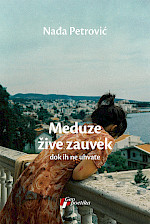
Kwallen leven eeuwig totdat iemand ze vangt
Translated from
Serbian
to
Dutch
by Lena van Tijen
Written in Serbian by Nađa Petrović
12 minutes read
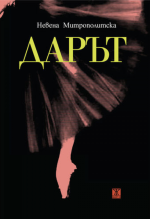
Дарът
Каква следа оставяме?
На какво сме готови, за да постигнем целта си?
Какво бихме пожертвали, за да сме в мир със себе си?
Две двойки, чиито пътища не би трябвало да се пресекат – различно социално положение, образование, среда. Общото помежду им – мечтата за дете. Тя ги изправя един срещу друг в най-важната битка в живота им.
Written in Bulgarian by Nevena Mitropolitska
9 minutes read
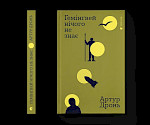
Hemingvej ne zna ništa
Ova knjiga kratke proze je svedočanstvo jednog vojnika o iskustvu velikog rata. Vera na frontu, bratstvo među vojnicima, strah i nada, smrt i Ljubav. Autor obrađuje sopstvena traumatična sećanja, ali tekst može poslužiti kao psihoterapija ne samo za njega već i za čitaoce. On govori o sebi, prepričava stvarnost i snove, ali pre svega beleži život na samoj ivici. Govori o ljudima velike Ljubavi, na kojima sve i počiva. Ovde se javlja Gospod Rovovski, započinje Najnoviji zavet, ukrajinska kultura u rancu postaje oslonac, a priznati majstori ratne književnosti ne izdržavaju ispit stvarnosti. Oni o nama, Ukrajincima, ne znaju ništa. O sebi možemo govoriti samo mi sami, jer je na Istoku svašta novo. I Artur Dronj o tome govori otvoreno i neposredno. Onako kako govore oni koji su bili na ivici. I vratili se.
Translated from
Ukrainian
to
Serbian
by Dragana Vasilijević-Valent
Written in Ukrainian by Artur Dron
10 minutes read
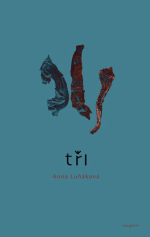
Drie!
Translated from
Czech
to
Dutch
by Lysanne Aarsman
Written in Czech by Anna Luňáková
8 minutes read