View all filters
Clear








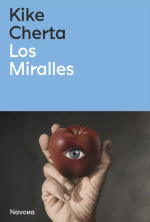
Familia Miralles
Translated from
Spanish
to
Romanian
by Ilinca Gângă
Written in Spanish by Kike Cherta
9 minutes read
PISK
Translated from
Polish
to
Romanian
by Sabra Daici
Written in Polish by Aleksandra Lipczak
10 minutes read

Život je moj
Napisan kao kriminalistički roman, Život je moj opisuje odnose između tri žene različitog društvenog porekla: Anđele Pop, galeristkinje (i sveže majke), Grete Rot, policajke u Odeljenju za ubistva, i Karle [Razije], seksualne radnice. Pateći od postporođajne depresije, Anđela opet oseća snažnu potrebu za kontrolom, potrebu koja se, naposletku, materijalizuje u vidu izložbe koju protagonistkinja osmišljava pod naslovom „Život je moj”, posvećene njenoj ćerki Elizi i sestri Rajsi. Tu se pojavljuje Karla, koju Anđela slučajno upoznaje tokom jednog izlaska u grad, kao i bivši kolega sa fakulteta, novinar Lazar Mitrea. Međutim, Karla je kratkotrajno i ljubavnica Grete, policajke koja je zadužena za istragu sumnjive smrti Anđele Pop.
Različite narativne niti prepliću se oko sledeće dileme: da li je smrt Anđele Pop ubistvo ili samoubistvo? Ako je reč o zločinu, ko je krivac? Ima li više saučesnika? Osumnjičeni u ovom slučaju postaju svi koji su bili bliski „žrtvi”. Sumnja i napetost, kako narativna tako i ona među likovima, održavaju se do samog kraja, kada saznajemo da je Anđela Pop iskoristila sve odnose kako bi do kraja sprovela svoj plan: izložbu kao manifest. Želja za samoubistvom i znaci psihičkog klonuća lika rasuti su kroz čitav roman, ali oni ne vode direktno ka zaključku da je to bila Anđelina odluka, te se dilema ubistvo ili samoubistvo zadržava do samog kraja knjige.
Život je moj rastavlja stereotipe i predrasude vezane za porodicu, rod, seksualnost i psihičke poremećaje. Roman se, stoga, završava manifestom koji poziva na promišljanje, prihvatanje, razumevanje i empatiju.
Translated from
Romanian
to
Serbian
by Mirela Belada
Written in Romanian by Emilia Faur
7 minutes read
Para não Te Ver
Written in Portugese by Valério Romão
9 minutes read
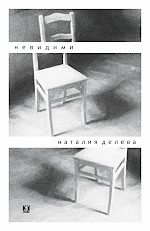
Невидљиви
Translated from
Bulgarian
to
Serbian
by Nikolina Đorđević
Written in Bulgarian by Nataliya Deleva
8 minutes read
Невидимі
«Невидимі» –– роман про неприйняття інакшості, у якому діти вигадують своїх батьків. Молода жінка, яка виросла в Дитбудинку, намагається подолати травми дитинства. Після низки розлук вона зустрічає Дару –– покинуту дитину, в якій упізнає маленьку себе. Прив’язується до неї й вирішує, що будь-якою ціною знайде спосіб подарувати їй життя, якого вона сама ніколи не мала. Це роман про людей із периферії суспільства. Різні сюжетні лінії переплітаються, щоб розповісти одну спільну історію: про невидимість.
Translated from
Bulgarian
to
Ukrainian
by Khrystia Vengryniuk
Written in Bulgarian by Nataliya Deleva
9 minutes read
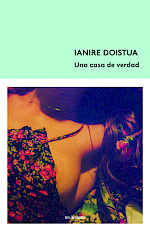
Una vera casa
Il sollievo che Ernest prova quando suo padre si suicida durerà ben poco. Presto scoprirà che le ferite del suo passato, che credeva richiuse, sono più aperte che mai.
L’opportunità di vivere in una vera casa, come lui chiama quella che eredita, fa riemergere il desiderio che lo accompagna fin da bambino: formare una famiglia ideale. Tuttavia, l’incapacità di comprendere la madre e la moglie, che insistono nel voler prendere il controllo delle proprie vite, la costante influenza di suo padre e la ricomparsa di un vecchio amore faranno vacillare le fondamenta del presente su cui Ernest intende costruire la sua nuova e idilliaca realtà.
La tematica profonda e contemporanea, costellata di sprazzi di umorismo, fa di Una casa de verdad un romanzo con una crescente tensione psicologica e allo stesso tempo coinvolgente e dinamico.
Translated from
Spanish
to
Italian
by Martino Gandi
Written in Spanish by Ianire Doistua
9 minutes read
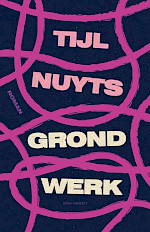
Grondwerk
Grondwerk [Groundwork] (2025) explores climate change, collective action and attempts to make the world habitable in poetic and sensory language. In the novel, a naked mole-rat is sent on a mission from her colony in the Horn of Africa to a square in Brussels. Waiting for a briefing that fails to arrive, she observes the curious ways of the homo sapiens and starts digging tunnels in Brussels’ underbelly. As sinkholes grow all over the city – fragmenting the infrastructure of the political heart of Europe – a meeting and growing friendship with a climate activist produces an unexpected twist. Grondwerk was shortlisted for the Boekenbon Literatuurprijs and very positively reviewed in the Belgian and Dutch press.
Written in Dutch by Tijl Nuyts
9 minutes read
Bárbaros en el Imperio romano
Translated from
Italian
to
Spanish
by Paula Caballero
Written in Italian by Fabio Guidetti
9 minutes read
Nekoliko meseci kasnije
Translated from
Slovenian
to
Serbian
by Jelena Dedeić
Written in Slovenian by Andraž Rožman
9 minutes read
Residence
Translated from
Italian
to
Dutch
by Lies Lavrijsen
Written in Italian by Maurizio Amendola
11 minutes read
Kudlanka
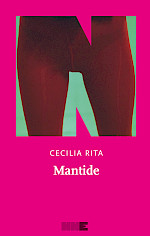
Mie je dvacet šest let a každý den se probírá hrůzami světa: pracuje jako moderátorka obsahu a musí cenzurovat ta nejbrutálnější videa, která kolují po internetu. Od chvíle, kdy její bývalý přítel Ruben zemřel po zásahu elektrickým proudem ve vaně, se točí v kruhu nihilismu a výčitek, otupělá svou prací i psychofarmaky, ožívající jen občas díky přátelství s Dennisem a Miriam. Minulost s Rubenem je archivem krutých vzpomínek, podobně krutých jako obrazy, které musí odstraňovat z internetu, ale vzpomínky ze své paměti vymazat nedokáže: jeho citové vydírání, když ji obviňoval, že ho užírá jako kudlanka, strach z toho ho opustit. Když však narazí na video Sofie, dívky, která se jí podobá a která skočí z mostu, Mia se probere a rozhodne se jít po dívčiných stopách: setká se s jejím přítelem Lapem, vycházející hudební hvězdou, i s její kamarádkou Margot, eskort pracovnicí a tanečnicí v nočním klubu, a oběma podlehne v jakési vířivé hře zrcadel. Nakonec se Mia spolu s Miriam a Margot rozhodnou dát si šanci na jinou cestu, v paktu sesterství mimo zaběhlé normy, který dokáže rozlousknout skořápku její bolesti. Kudlanka (Mantide) vypráví příběh mladé ženy, která vzdoruje ztrátě i samotě, bouří se proti po generace předávanému pocitu ženské viny a směřuje vpřed, ke světlu svého budoucího já.
Translated from
Italian
to
Czech
by Anna Kostková
Written in Italian by Cecilia Rita
8 minutes read
Măi, fetelor (It’s Both Heaven and Hell Here. Moldova: a Century of Lived History)
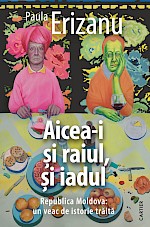
There are few places across Europe which have had the tumultuous story of Moldova in the 20th and 21st centuries. My greatgrandmother, for instance, spent most of her life in the same village while living in four different countries: she was born in the Russian Empire, went to school in Romania, resisted collectivisation and eventually gave in during the Soviet era, and got retired in the independent Republic of Moldova. I share her story in this book, as well as stories of other people with different backgrounds I interviewed, in an effort to create a polyphonic view of Moldova’s recent history. Chronologically, the book starts with the 1903 infamous Chisinau pogrom and it ends with the 2022 refugee crisis caused by the full-scale invasion of Ukraine. Geographically, the stories are rooted in Moldova but they cover the whole world thanks to the processes of migration that characterised all of the communities described in this book — Jewish, Roma, Armenian, Moldovan, Ukrainian, Russian etc. — at different points during history.
Written in Romanian by Paula Erizanu
7 minutes read
Generația-banană: despre viața dublă a unui chinez-neerlandez
Translated from
Dutch
to
Romanian
by Mădălina Balea
Written in Dutch by Pete Wu
10 minutes read
Ptice ne preletavajo primestnih naselij
Translated from
Serbian
to
Slovenian
by Natalija Milovanović
Written in Serbian by Ana Marija Grbic
8 minutes read
E OK
Translated from
Dutch
to
Romanian
by Irina Kappelhof Costea
Written in Dutch by Aya Sabi
7 minutes read
Scavi
Grondwerk [Scavi] (2025) esplora il cambiamento climatico e l’azione collettiva, tentando di rendere il mondo abitabile attraverso un linguaggio poetico e sensoriale. Nel romanzo, una talpa senza pelo viene inviata in missione dalla sua colonia nel Corno d’Africa in una piazza di Bruxelles. In attesa di istruzioni che tardano ad arrivare, la talpa osserva gli strani comportamenti degli Homo sapiens e inizia a scavare gallerie nelle viscere della città.
Mentre Bruxelles si apre in voragini che frammentano l’infrastruttura del cuore politico dell’Europa, l’incontro e la crescente amicizia con un attivista per il clima conducono a una svolta inaspettata. Grondwerk è stato candidato al premio letterario Boekenbon ed è stato accolto positivamente dalla stampa belga e olandese.
Translated from
Dutch
to
Italian
by Matilde Soliani
Written in Dutch by Tijl Nuyts
9 minutes read
Ne idemo svi u raj
Translated from
Polish
to
Serbian
by Milica Kozić
Written in Polish by Olga Górska
6 minutes read
Ook als je er maar één druppel van te zien krijgt
Written in Dutch by Rebekka de Wit
9 minutes read
Pornorama
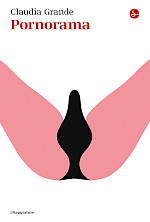
Questa storia è una ragnatela di fili spezzati: se si riesce ad afferrarne uno, il resto scivola via. È la storia di un'inquietante serie di morti nel mondo del porno tra Roma, Milano e Torino, ma è anche la storia dell'indagine condotta dall'ispettore capo Vittoria De Feo. È la storia di come una coppia di ventenni, Bet e Teo, sia finita su quella stessa pista in cerca di un colpo per rilanciare il proprio blog, ed è la storia del tentativo di un giornalista di gossip di fare lo scoop della vita. Attorno alle loro complicate ricerche si muove un coro surreale di personaggi grotteschi: chirurghi che si arricchiscono commerciando sex toy modellati sull'anatomia delle pornostar morte, avvocati luciferini che tengono i tirocinanti al guinzaglio, analisti forensi che tentano di sfondare come youtuber, ex attori di programmi per bambini caduti in disgrazia, psichiatri che si travestono da avocado durante le sedute, influencer verbose strafatte di cocaina, untuosi manager di attrici hard. Il tutto accompagnato e condito da droghe sintetiche e contratti di sottomissione, mani mozzate e crostate al limone, conigli domestici e programmi trash, magazzini Ikea e set pornografici. Dietro la detection più pura si dipanano coniugazioni di una pornografia dell’essere per la quale, oramai, non esiste più nulla di osceno.
Written in Italian by Claudia Grande
9 minutes read